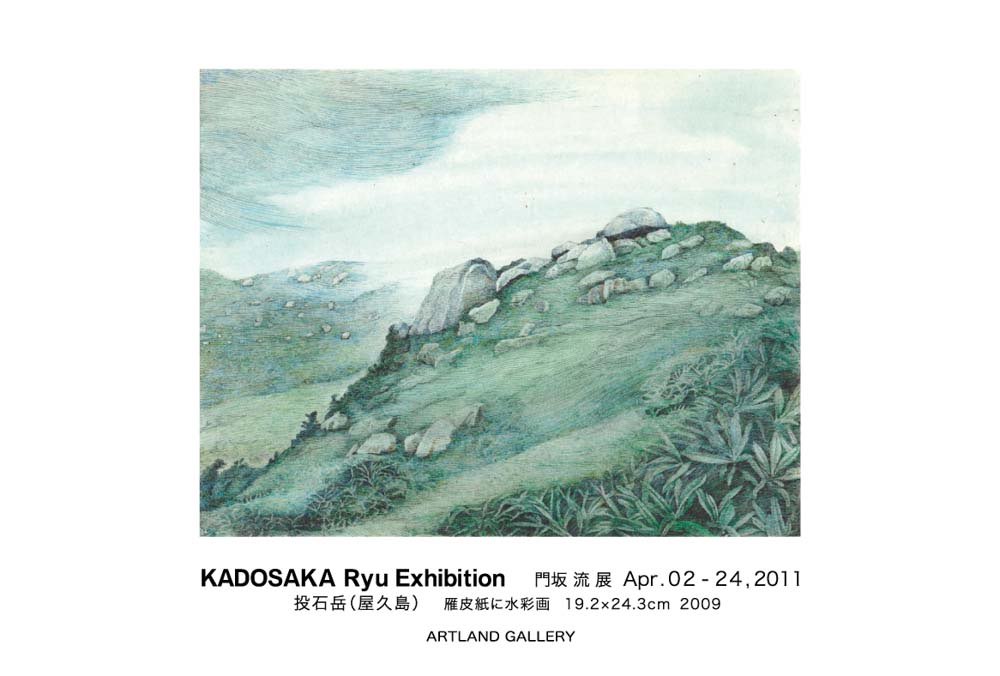
Kadosaka Ryu Exhibition
Dates: April 2 (Sat) - 24 (Sun), 2011
Venue/Artorand Gallery
10:00am-6:30pm
Tuesdays (open by appointment), closed Wednesdays
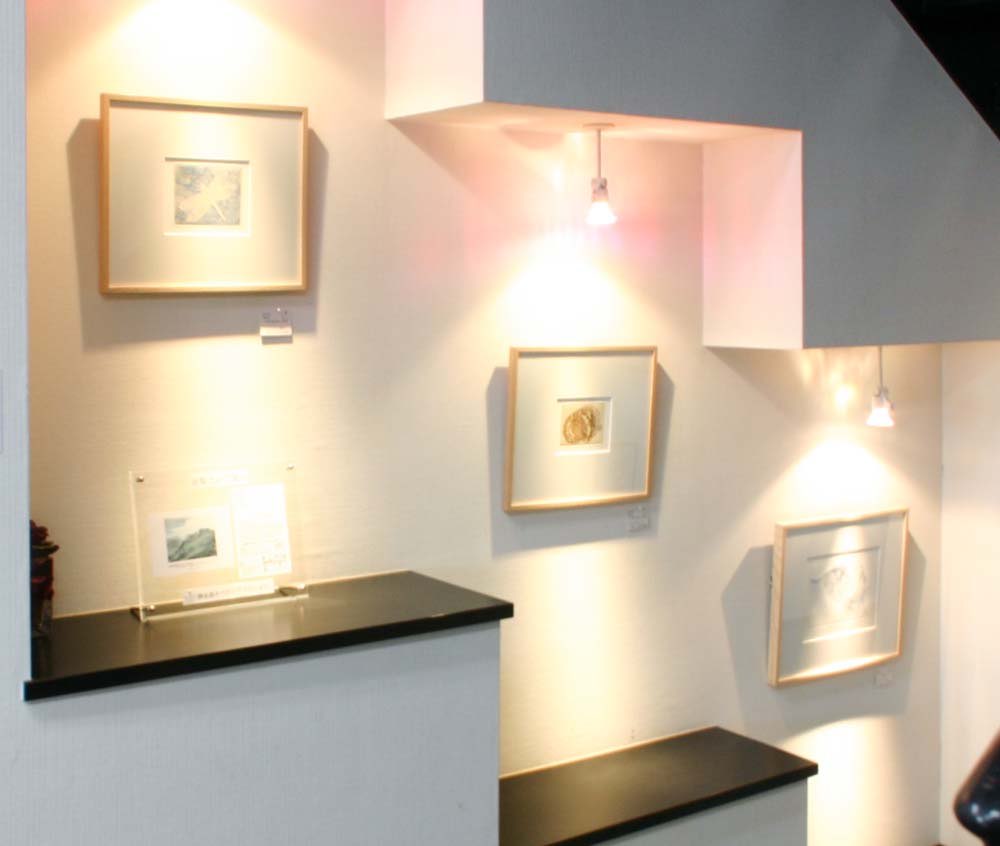
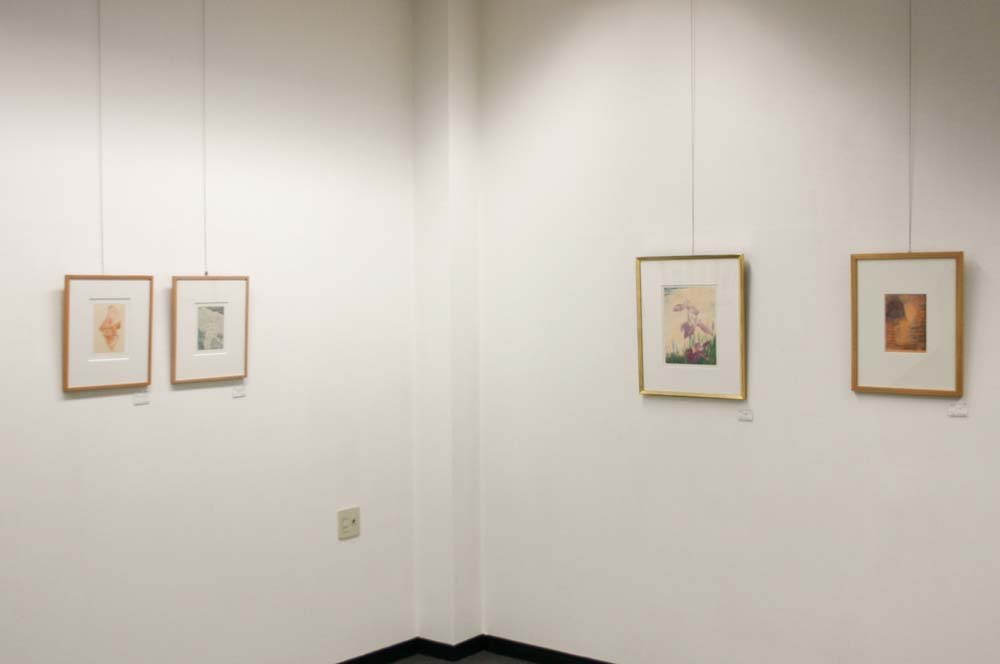
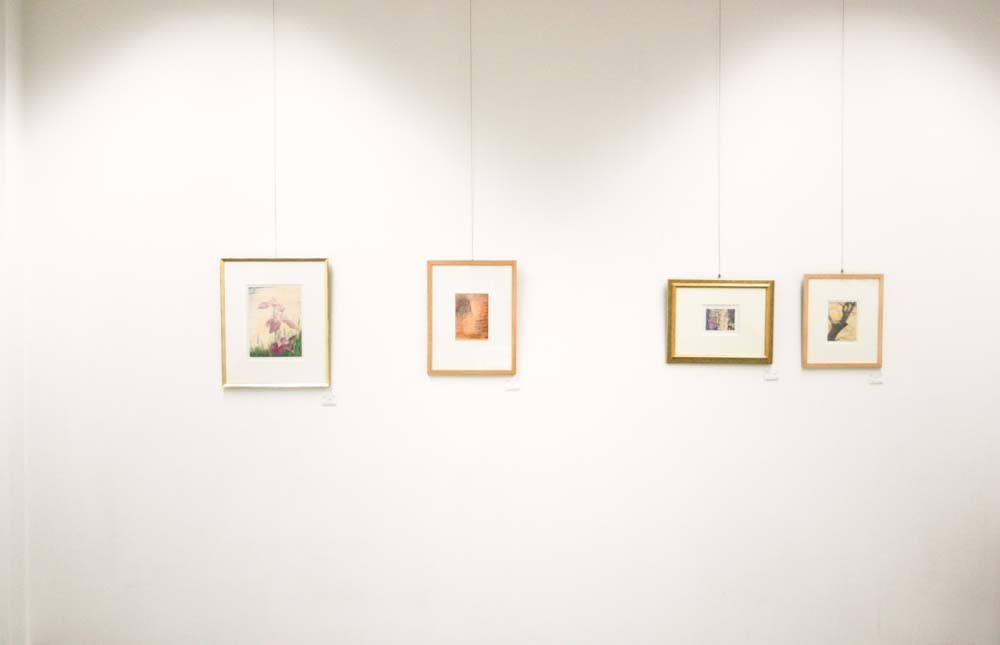
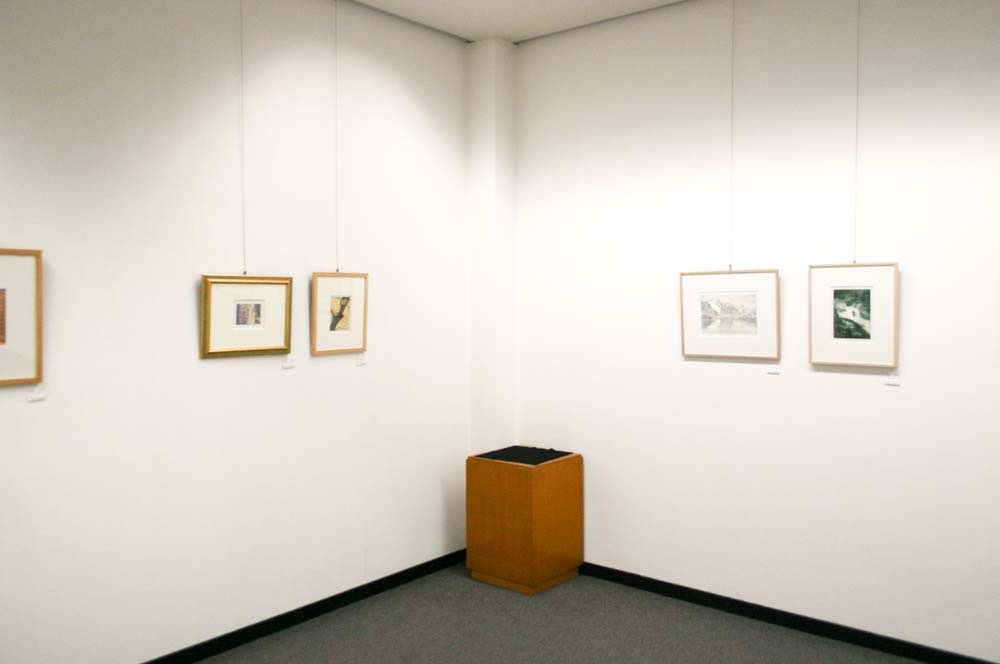
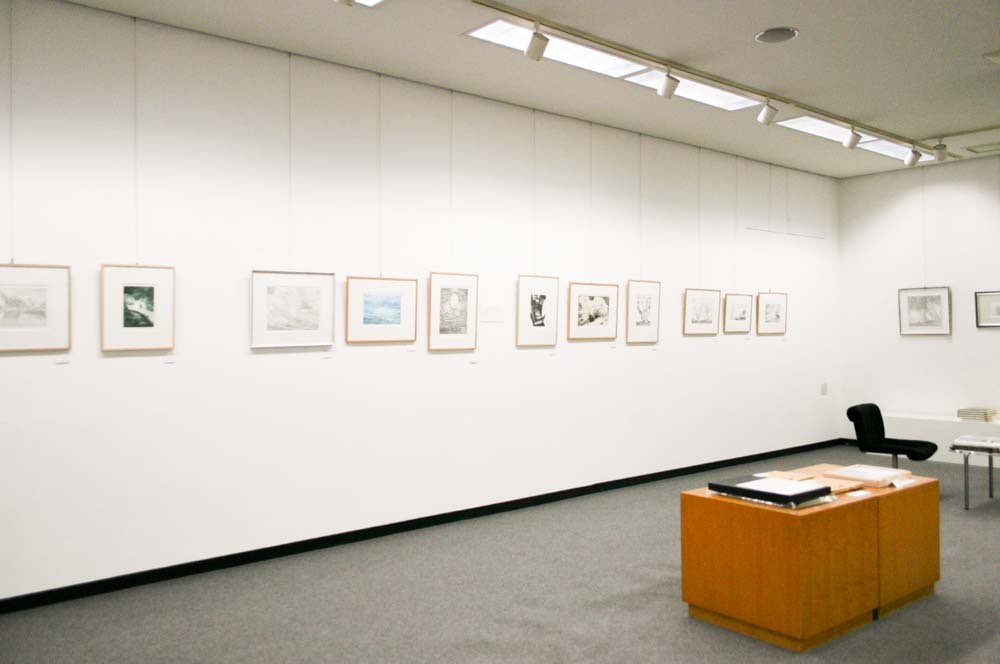
Exhibit: 30+ etchings and drawings
Artist in the gallery: April 2 (Sat.) afternoon - April 3 (Sun.), 2011
Press Release
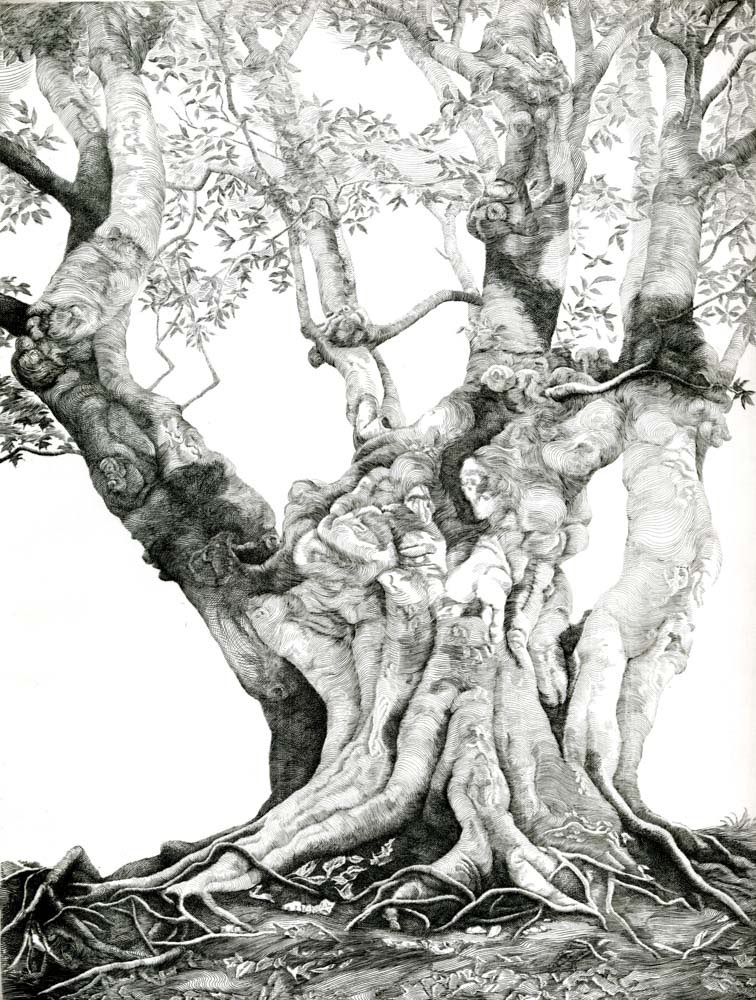
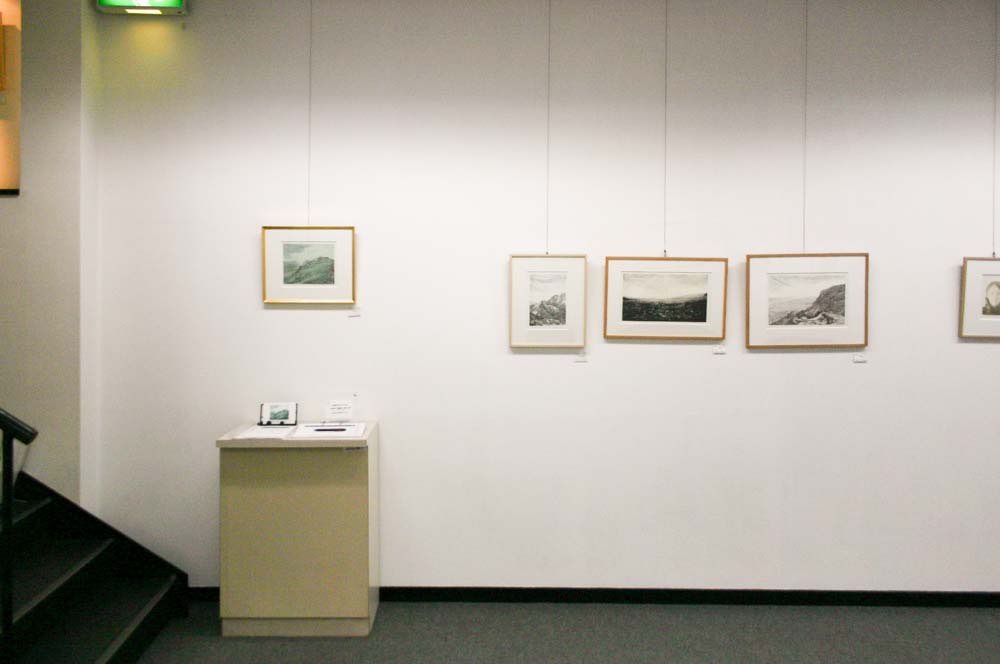
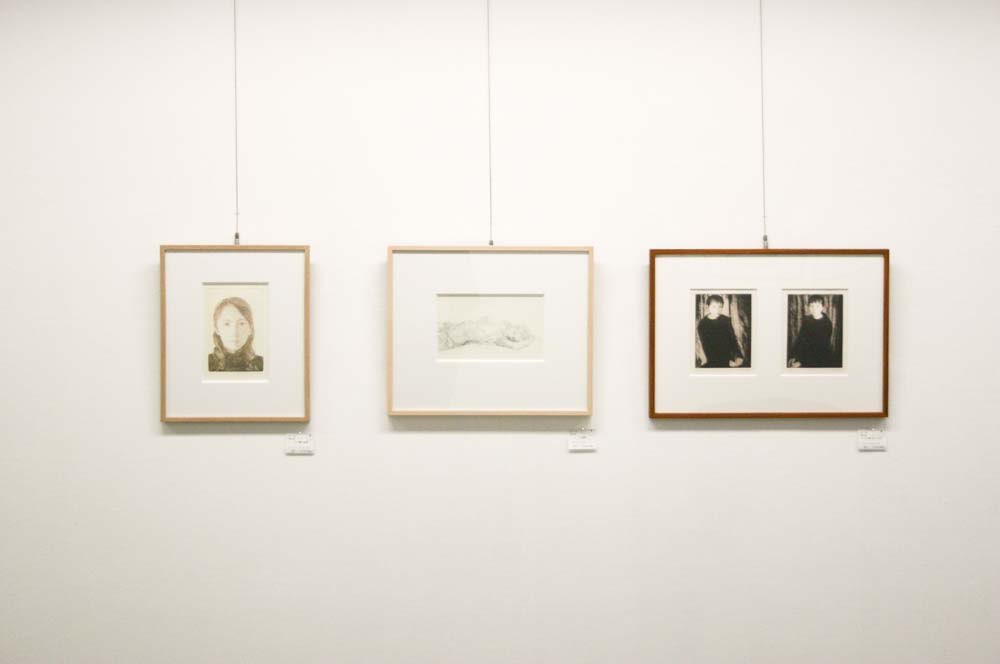
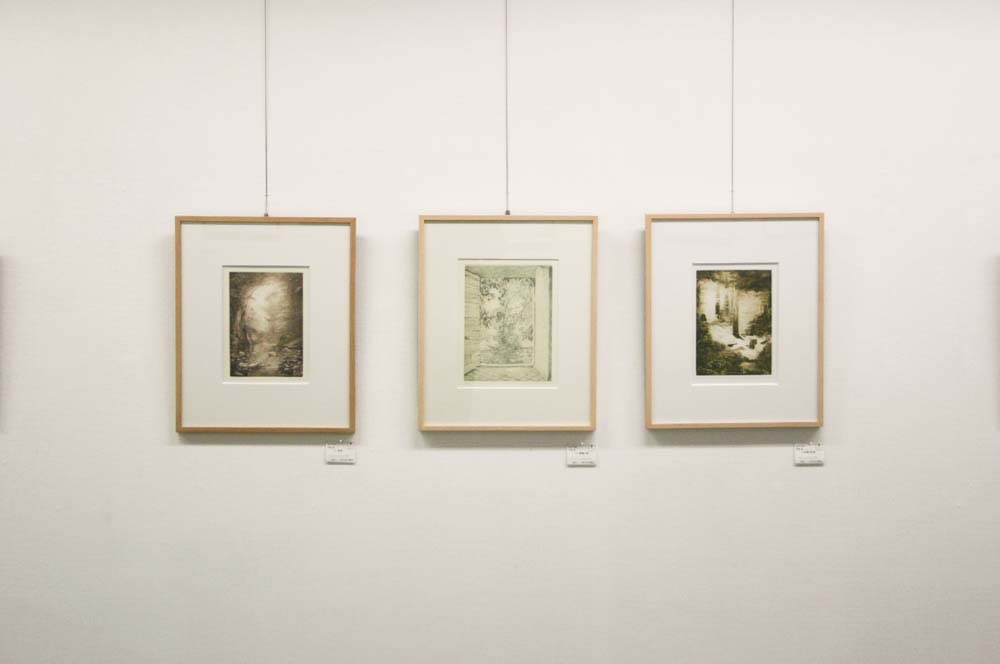
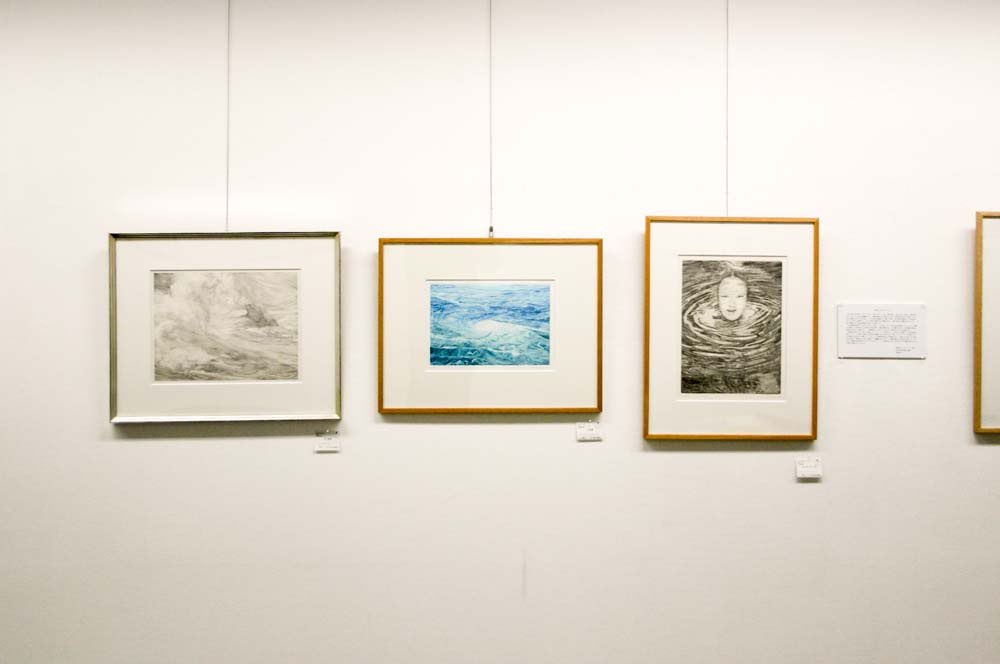
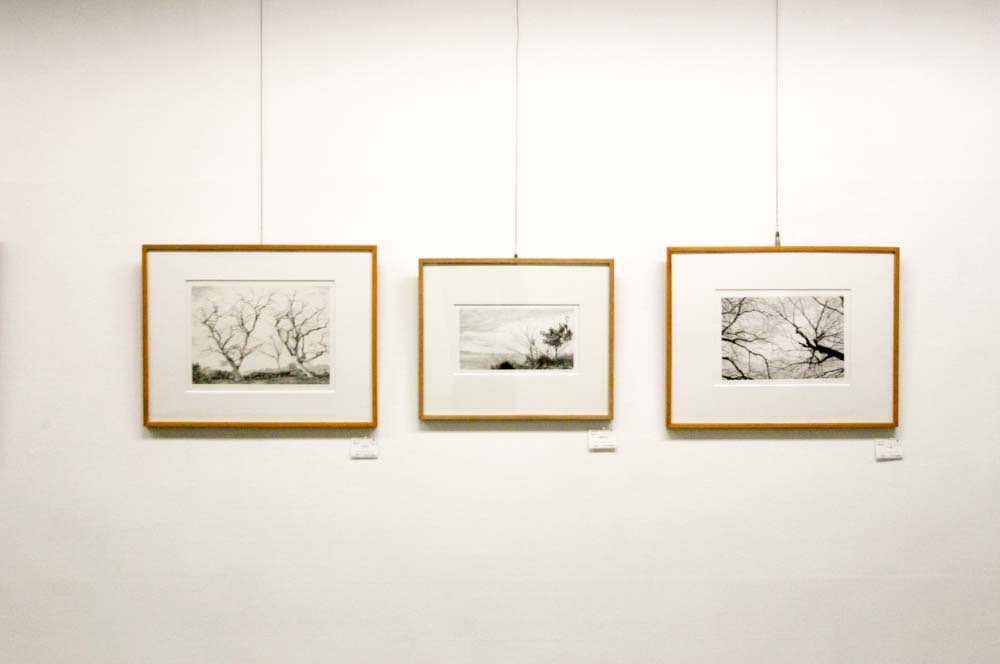
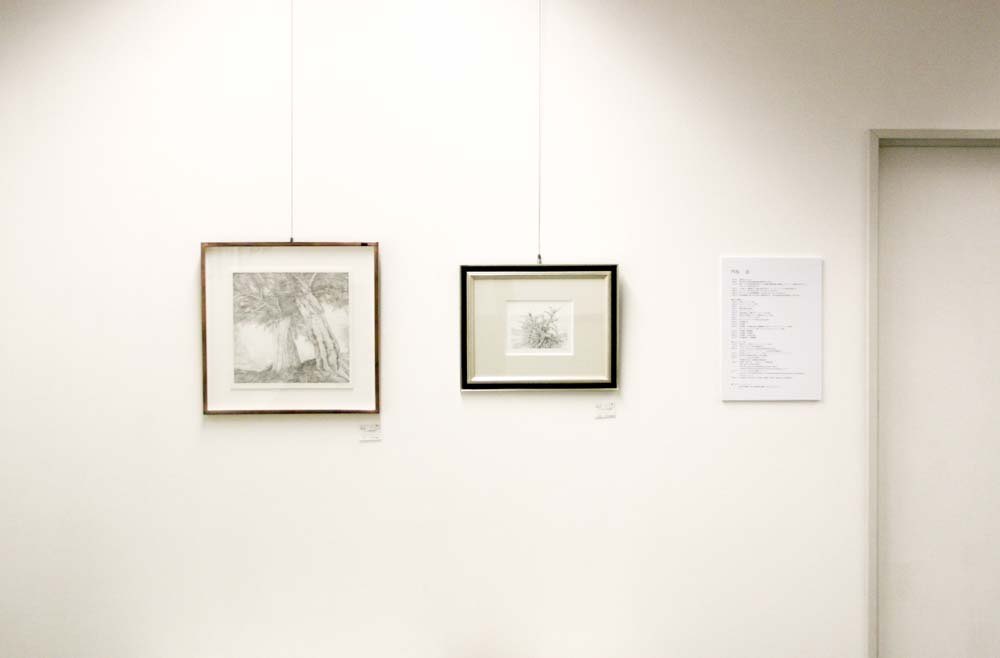
Artland Gallery is pleased to present an exhibition featuring copperplate engravings by Ryu Kadosaka, who is known for vividly expressing the essence of nature through her finely detailed, fluid lines. This is the third solo exhibition by Monsaka, following two previous exhibitions in 2005 and 2006. Kadosaka was born in Kyoto in 1948, entered the oil painting department of Tokyo National University of Fine Arts and Music in 1968, and began his creative activities in pencil and pen drawings in 1973.
Viewers of Kadosaka's work may recall the following experience. The experience that the more detailed a painting is drawn, the more it loses its sense of life. Such is the case, for example, with a painting of chickens by Jakuchu, who was active in the Edo period and is still highly regarded today for his superb technique and innovative compositions (for example, the Oshie-meshi Byobu with group of chickens), which is one of his specialty. Certainly, the power and splendor of the figure would astonish anyone. However, the vividly-colored chickens seem to be stuck to the screen, compared to the lively chickens painted in ink by the same artist (e.g., Gundoku-zu oshie pasteboard), don't you suddenly feel as if they are stuck to the screen?
This comparison is not limited to Jakuchu, but it is a problem of expressing what is "true" in a painting, and it exists regardless of where you are in the world. In China, the term "qiyin seimei kinetic" has been used since ancient times to evaluate the expression of the "true" life-like qualities of human figures and animals, and was later extended to the evaluation of various other subjects as well. Kadosaka's use of the "flowing line" in response to this problem can be seen as a new way of expressing the essence of nature in a lively way.
He came up with this method from his own experience of gazing at Vermeer's "Woman Weaving Lace" and seeing the entire painting seem to move. He replaced the movement with fluid lines and said, "I paint as I see. The explanation may sound reasonable for a moment, but to omit the outline of the subject and suddenly replace the movement captured in the brain with lines would be considered divine work even for those who know the basics of drawing, much less for seasoned painters.
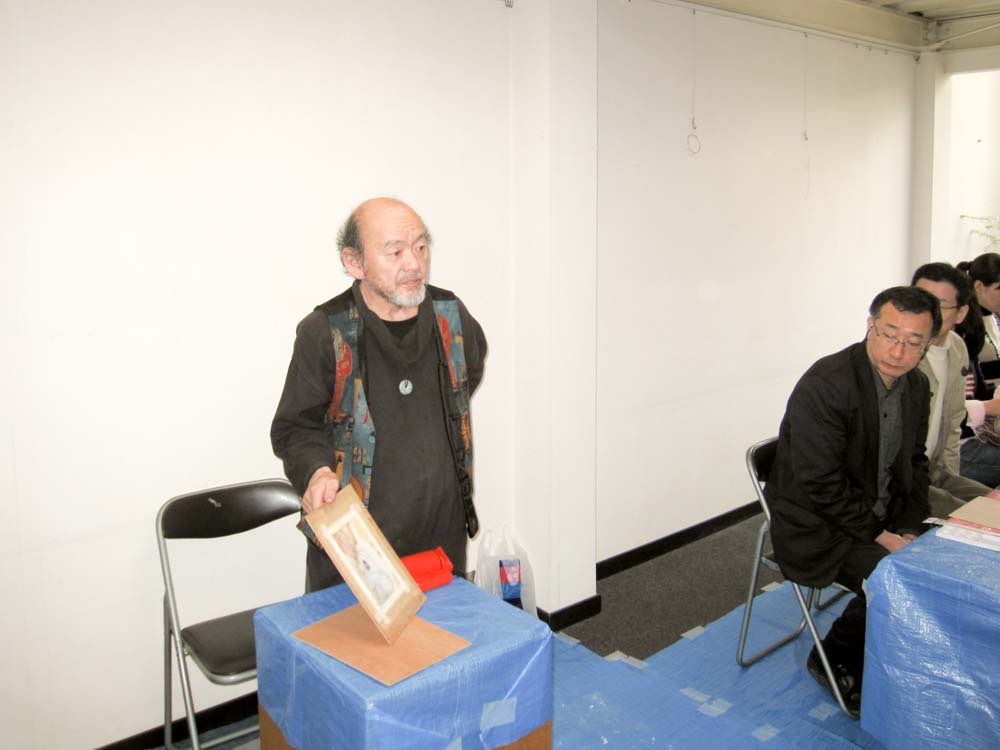
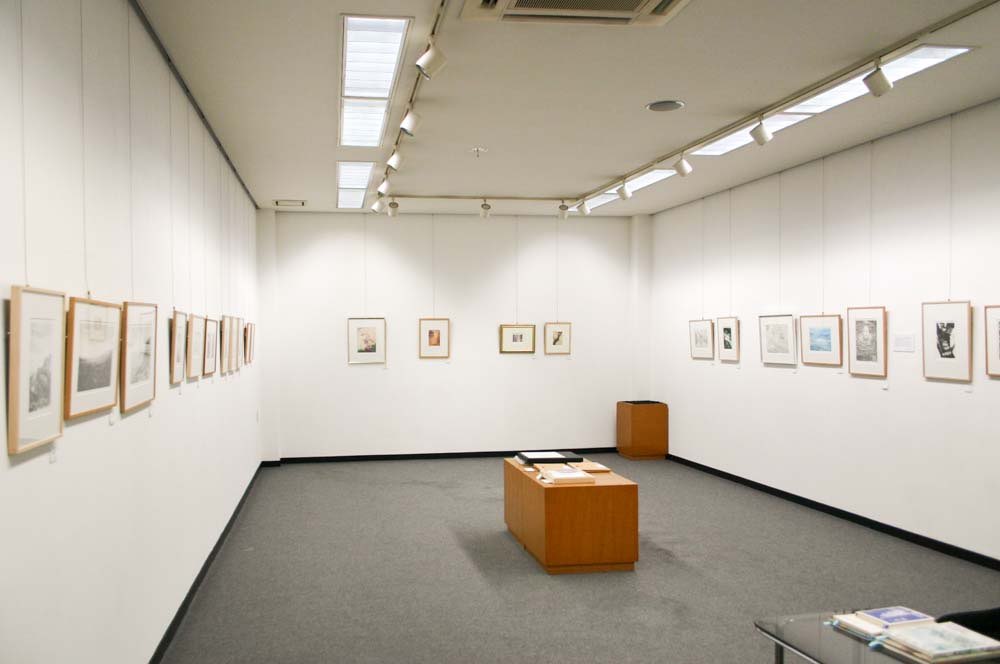
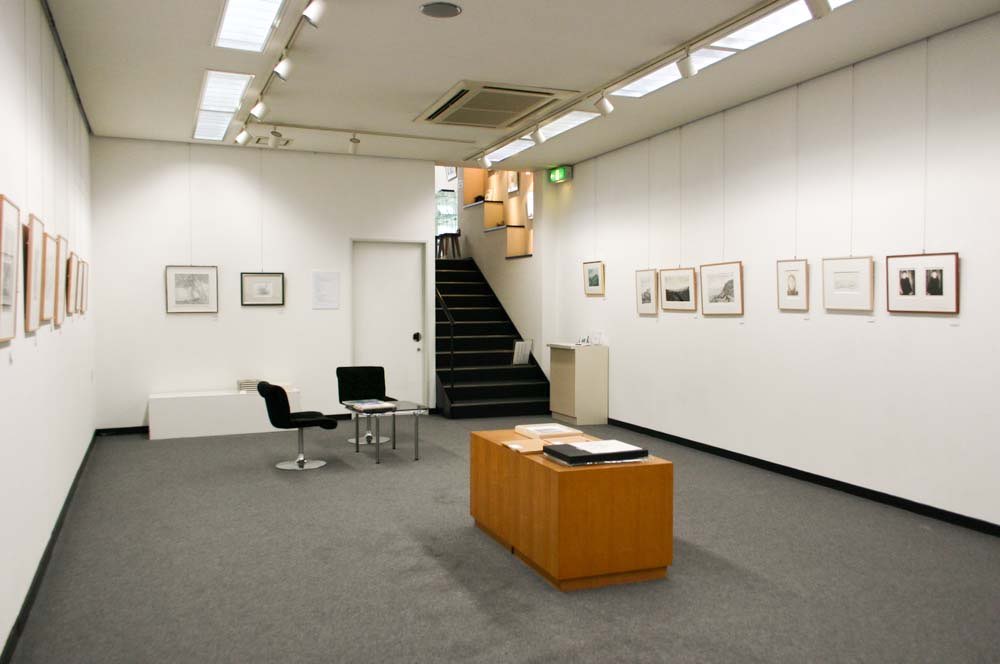
This exhibition features more than 30 works, mainly copperplate engravings, along with drawings (watercolors, pen drawings, etc.). We hope that many people will enjoy interacting with the artist, who has a friendly personality and says, "I just want to keep on drawing.
Challenge the technique of watercolor painting with Kadosaka's original ultra-fine lines, and experience the creation of a picture that will make your eyes water! Please register in advance at the venue.
■ Date & Time: Sunday, April 3, from 2:00 p.m.
■ Number of applicants: 20
■ Venue: Artland Gallery TEL 24-0927
■ Fee: 2,000 yen (including materials)
About My Expression Kadosaka Ryu
I first started drawing as an expression with pencil. I encountered pen drawings and watercolor paintings due to my work as a book designer, and finally became convinced that the line matched the expression of my senses.
Around the time I published my pen drawing book "School of Wind Power," I began to develop presbyopia. I encountered copperplate engraving at a time when I began to lose the physicality of eye and hand movement that I had been experiencing and started to feel a wall.
The central work in this exhibition is called "engraving," a technique in which lines are engraved directly on a copper plate using a tool called a burin. Albrecht Dürer, who was born in Germany in the 15th century, is famous for this technique, and banknotes are also produced by engraving.
The pointy end of the burin's ridge is applied to the copper plate and smoothed into the inside of the plate. The work proceeds gently, as if marking time. The hand holding the burin is hardly moved, and the engraving is done by the force of the press and the rotation of the plate with the left hand.
The subject matter is the ever-fluctuating universe, and my eyes and hands resonate with its rhythms, and I try to control my mind so that my conception of the subject is as "nothing" as possible, and continue to paint as I see it."