Zhou Hao Drawing and Print Exhibition
Jan 10, 2004 — Feb 01, 2004
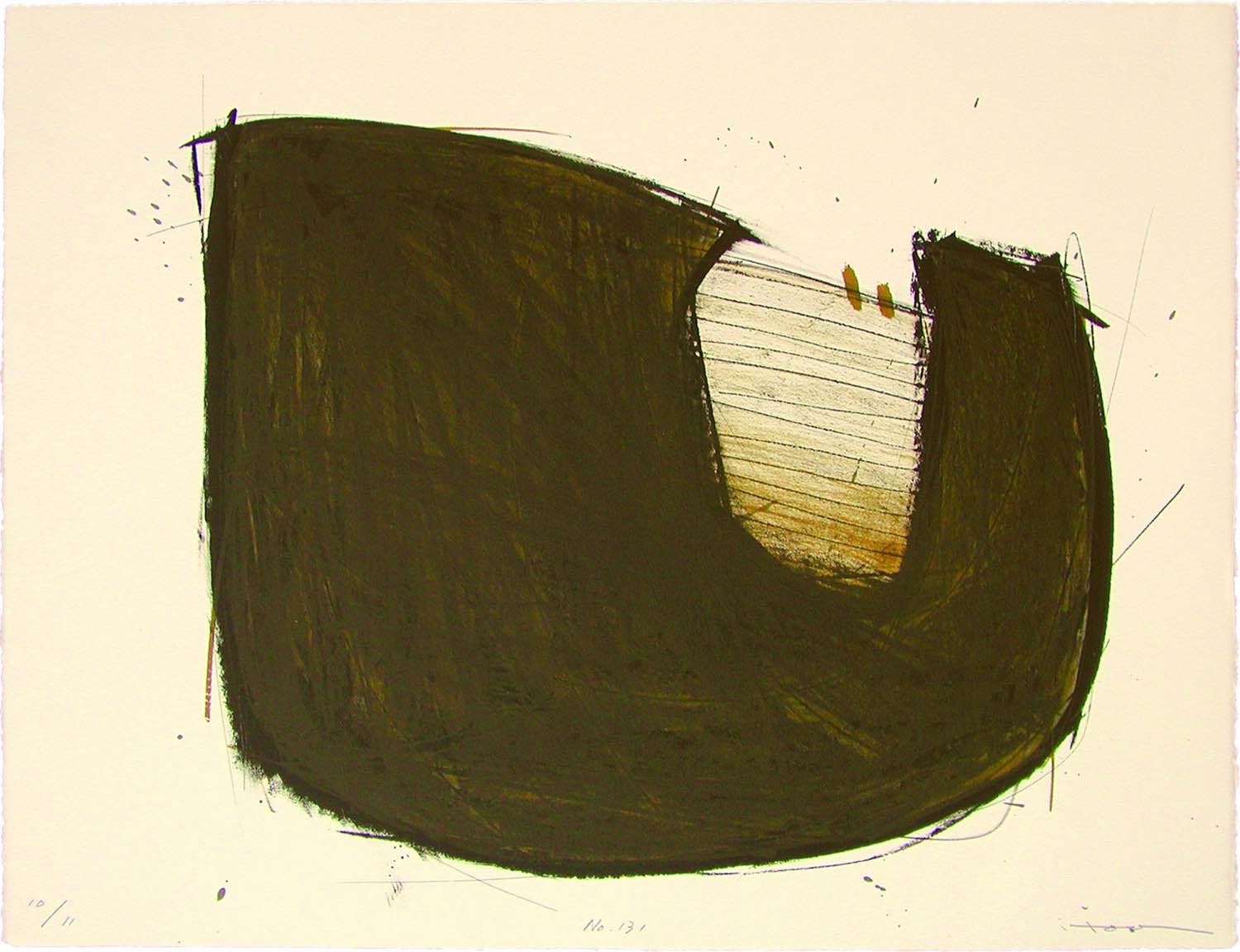
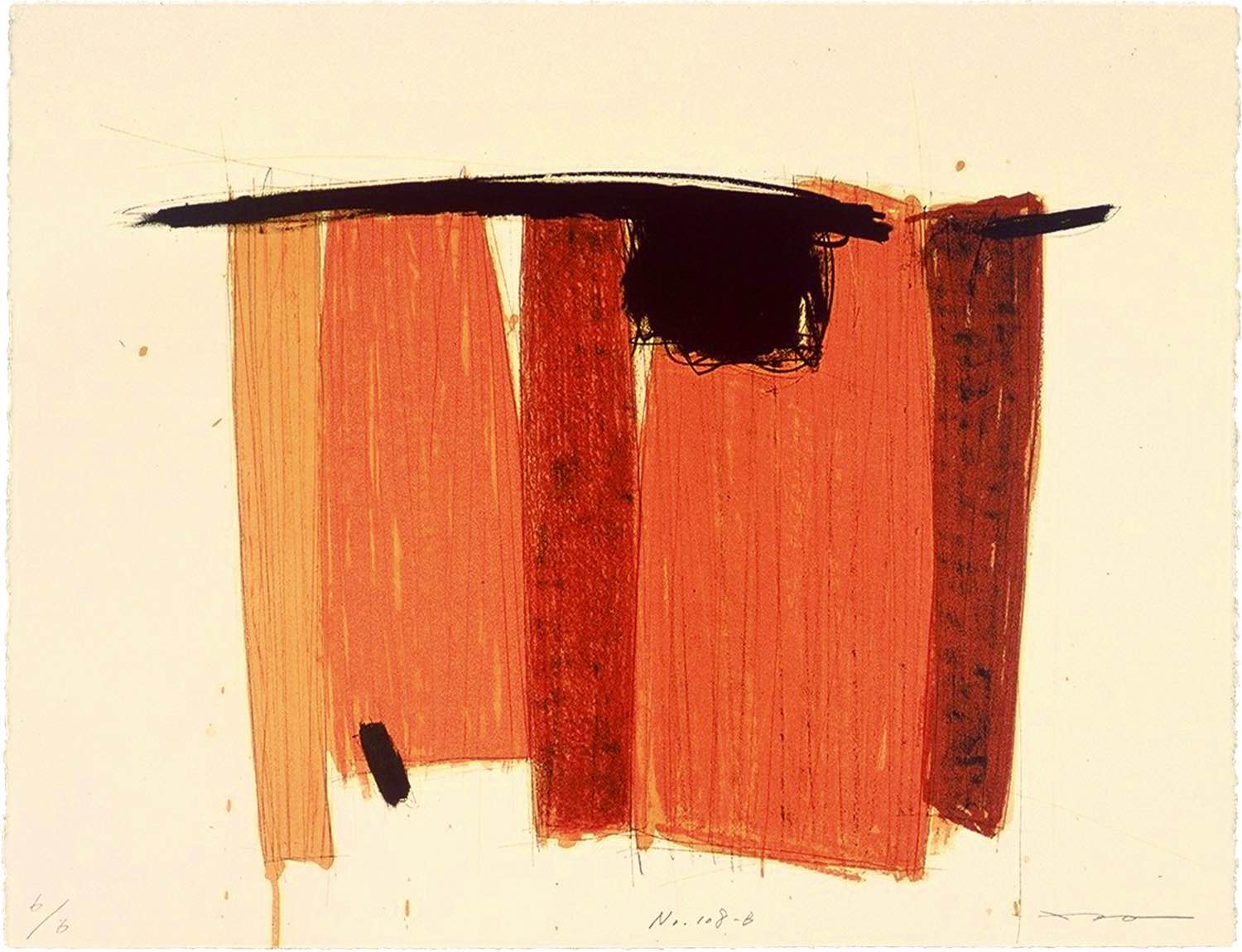
Zhou Hao Drawing and Print Exhibition
Jan 10, 2004 — Feb 01, 2004
Jan 10, 2004 — Feb 01, 2004
Zhou Hao - On the Occasion of My Second Solo Exhibition
This marks my second solo exhibition in Marugame. The first one was held in the spring of 2000, with a focus on prints. Initially, I intended for this exhibition to be centered around drawings. However, as I selected works from the 70-plus prints I had created since 2000, I found that there were too many I couldn't leave out. As a result, this exhibition has once again ended up being predominantly focused on prints.
I started working with printmaking in my second year of art school, which means it's been 16 years now (I originally started as a painter). Recently, I've been drawing more and more, and I noticed an interesting change. When I paint, even though I open a paint box with dozens of different colors, I find myself only using two or three colors. This seems to be related to my many years of working with printmaking.
Naturally, printmaking involves creating images through plates. When I want to add lines or shapes to the composition, instead of drawing directly on the surface, I go through the trouble of making a plate, applying ink, and then transferring it to the paper. The plate in printmaking is not fundamentally different from a painter's brush or paint in terms of function, but creating a single plate requires considerable effort. You can't use a plate as freely as a brush or paint.
In practice, when making a print, I always try to cover the effect of four or five plates with just two or three. The mentality of how to express more with less applies equally when the plate takes the form of a tube of paint. I always feel that when I can express something well within the limitations of printmaking, a greater freedom is promised within those constraints.
Another attraction of printmaking is the so-called element of surprise or chance. Of course, with experience, I can predict certain effects to some extent. However, despite the artist's control, the completed print can often transform into something quite different, almost as if it has a life of its own. Some might say, It didn't turn out as expected, so it's a failure.
But I find it far more boring when a work turns out exactly as I envisioned. When evaluating the success or failure of a piece, I often consider how much otherness the plate I created brings to the work.
In recent years, I've come to see all coincidences as inevitable occurrences that come to me at this moment because they were meant to. Looking back, I think the reason most of my works are prints is because I'm deeply drawn to the otherness of the plate.
ZHOU Hao
Biography, Selected Exhibitions and Public Collections
Biography
Zhou Hao was born in Shanghai, China, in 1960. From the age of six through his high school years, he spent approximately ten years living through the Cultural Revolution.
In 1983, he came to Japan as a privately funded international student. The following year, he entered the Department of Oil Painting at Musashino Art University. In his third year, he transferred to the newly established printmaking course, becoming a member of its first graduating class and studying lithography. During this period, his work gradually shifted toward abstraction.
At the same time, he encountered the Mingei philosophy of Yanagi Sōetsu, which made a profound impression on him. Through the writings of Suzuki Daisetsu on Zen, he also began to reconsider the classical culture of his native country. While reading works on Daoist thought, particularly Laozi and Zhuangzi, he developed a strong interest in contemporary art in both Japan and the West.
In 1987, he received a scholarship from the Koyama Keizo Foundation for the Promotion of Art and participated in the first Asian Art Student Residency Program, working in residence at the Shirakaba Museum of Art in Yamanashi Prefecture, with the support of Tokyo Gallery Yoshii.
In 1988, he graduated from the Printmaking Course, Department of Oil Painting, College of Art and Design, Musashino Art University. In 1989, he received a Japanese Government Scholarship from the Ministry of Education. In 1990, he completed the master’s program in printmaking at the Graduate School of Art and Design, Musashino Art University.
After completing graduate school, he joined MMG, a printmaking studio in Higashi-Azabu, Tokyo, directed by printmaker Yusaku Masuda. While working in plate preparation and printing, he continued to produce and exhibit his own prints. He left the studio in 2003 and thereafter devoted himself fully to his artistic practice.
In 2008 and again in 2010, through the introduction of Yusaku Masuda, he produced intaglio prints at Atelier Rémy Bucciali in France. In 2016, he participated in the LOVEART – Summer Artists Residence Project and worked in residence in Italy.
Based between Shanghai and Yokohama, Zhou Hao continued his artistic practice and presented solo exhibitions primarily in Japan and China, while also participating in international print exhibitions and art fairs in Japan and abroad.
He passed away in September 2023 at the age of 62.