Zhou Hao Exhibition
Sept 10 - Oct 9, 2022
Wednesday-Sunday: 11: 00-17: 00
Last day of the exhibition: 11: 00-16: 00
Closed: Monday, Tuesday
Artists in the gallery: Sat, Sept. 17 and Sun, Sept 18
Please feel free to talk to the artists.
■ Workshop Information (Participants Wanted)
Please click on this page for details.
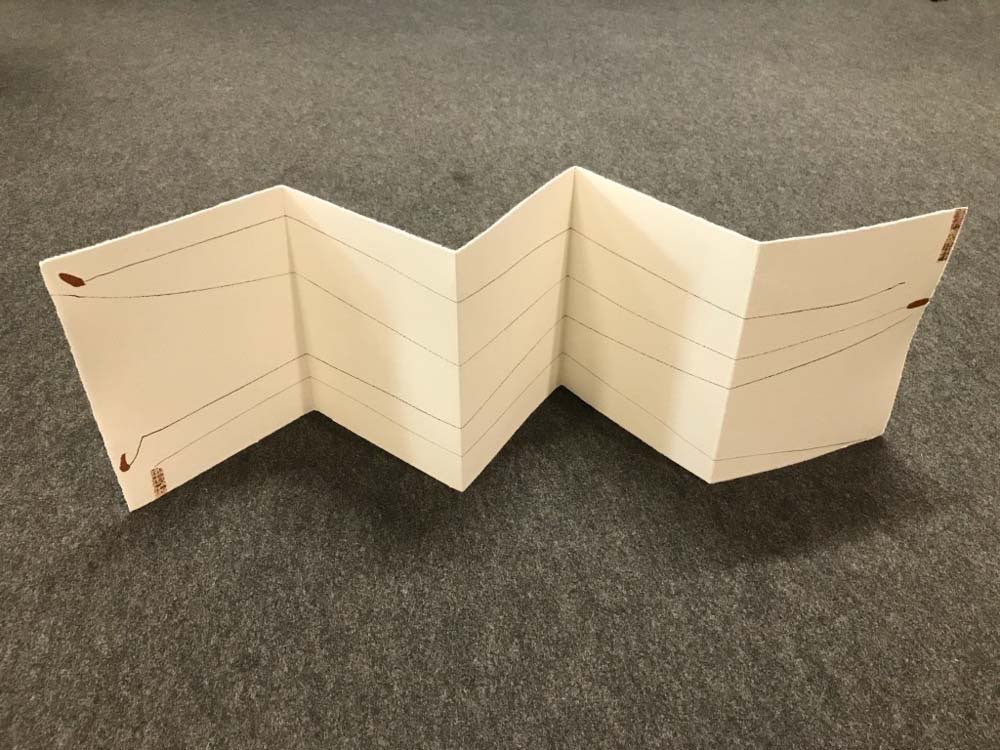
Zhou Hao Paper PLUS Jabara Artwork Creation
Date & Time : September 18 (Sun.) 10:30 - 12:00
Workshop Information (Participants Wanted)
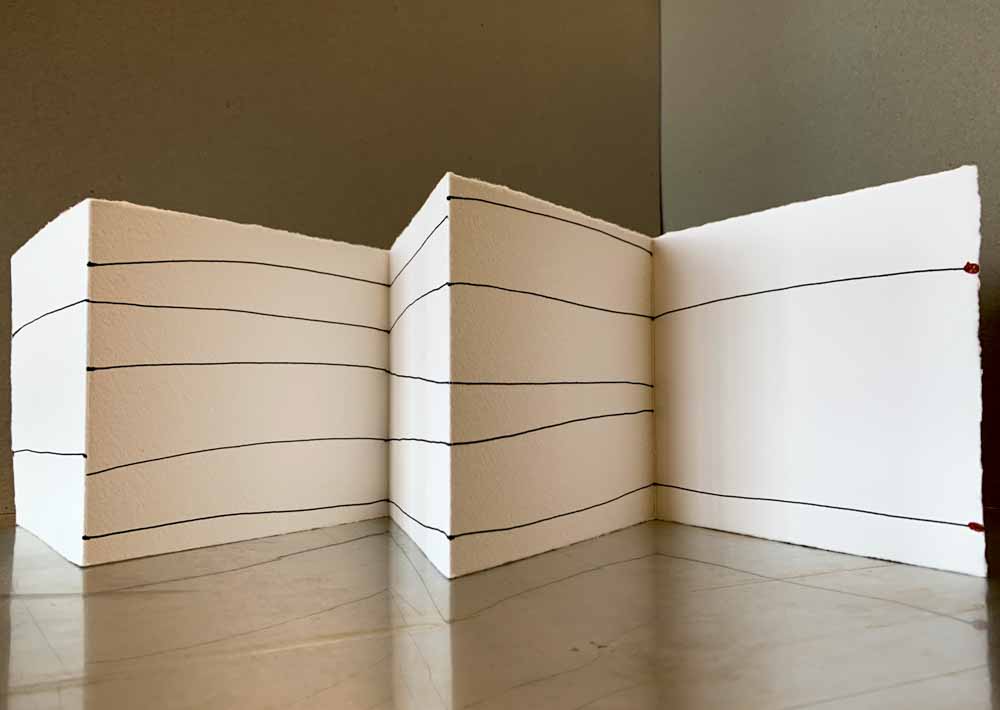
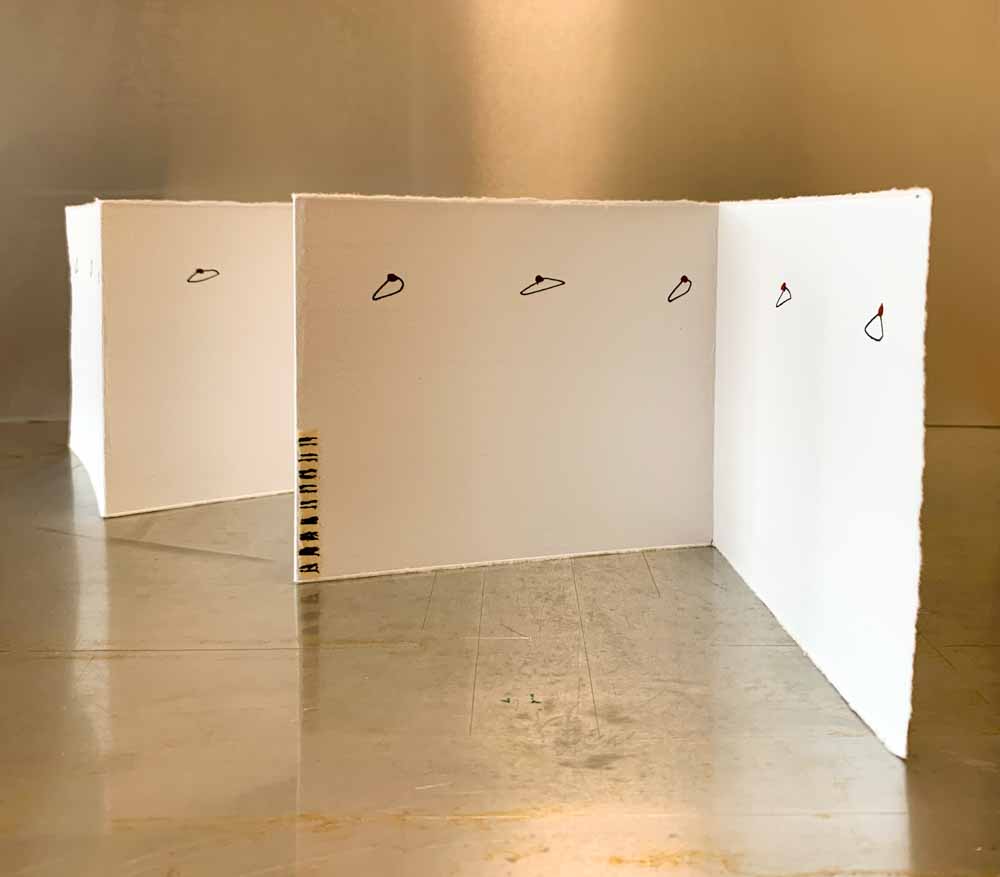
A workshop will be held at the Zhou Hao exhibition opening on September 10. Let's draw pictures using "sumi ink" and "glass pen," which Zhou Hao often uses, and make your own "original jabara" together.
Tools and paper will be provided. Hahnemühle is a high-grade German watercolor paper that is lightfast and resistant to deterioration over time.
If you wish to participate, please contact us at the following TEL or E-mail.
We look forward to your participation.
Shugo Paper PLUS Jabara Artwork Creation
Date & Time : September 18 (Sun.) 10:30 - 12:00
Participants : Approx. 10 people (reservation required Tel 0877-24-0927 E-Mail : info@artland-gallery.jp)
Venue : Artland Gallery
Fee : ¥2,000 (fee includes 1 sheet of paper)
Paper size : 78cm x 19cm, 300 yen per sheet (for additional sheets)
ZHOU Hao
Biography, Selected Exhibitions and Public Collections
Biography
Zhou Hao was born in Shanghai, China, in 1960. From the age of six through his high school years, he spent approximately ten years living through the Cultural Revolution.
In 1983, he came to Japan as a privately funded international student. The following year, he entered the Department of Oil Painting at Musashino Art University. In his third year, he transferred to the newly established printmaking course, becoming a member of its first graduating class and studying lithography. During this period, his work gradually shifted toward abstraction.
At the same time, he encountered the Mingei philosophy of Yanagi Sōetsu, which made a profound impression on him. Through the writings of Suzuki Daisetsu on Zen, he also began to reconsider the classical culture of his native country. While reading works on Daoist thought, particularly Laozi and Zhuangzi, he developed a strong interest in contemporary art in both Japan and the West.
In 1987, he received a scholarship from the Koyama Keizo Foundation for the Promotion of Art and participated in the first Asian Art Student Residency Program, working in residence at the Shirakaba Museum of Art in Yamanashi Prefecture, with the support of Tokyo Gallery Yoshii.
In 1988, he graduated from the Printmaking Course, Department of Oil Painting, College of Art and Design, Musashino Art University. In 1989, he received a Japanese Government Scholarship from the Ministry of Education. In 1990, he completed the master’s program in printmaking at the Graduate School of Art and Design, Musashino Art University.
After completing graduate school, he joined MMG, a printmaking studio in Higashi-Azabu, Tokyo, directed by printmaker Yusaku Masuda. While working in plate preparation and printing, he continued to produce and exhibit his own prints. He left the studio in 2003 and thereafter devoted himself fully to his artistic practice.
In 2008 and again in 2010, through the introduction of Yusaku Masuda, he produced intaglio prints at Atelier Rémy Bucciali in France. In 2016, he participated in the LOVEART – Summer Artists Residence Project and worked in residence in Italy.
Based between Shanghai and Yokohama, Zhou Hao continued his artistic practice and presented solo exhibitions primarily in Japan and China, while also participating in international print exhibitions and art fairs in Japan and abroad.
He passed away in September 2023 at the age of 62.
Comment on Zhou Go's solo exhibition
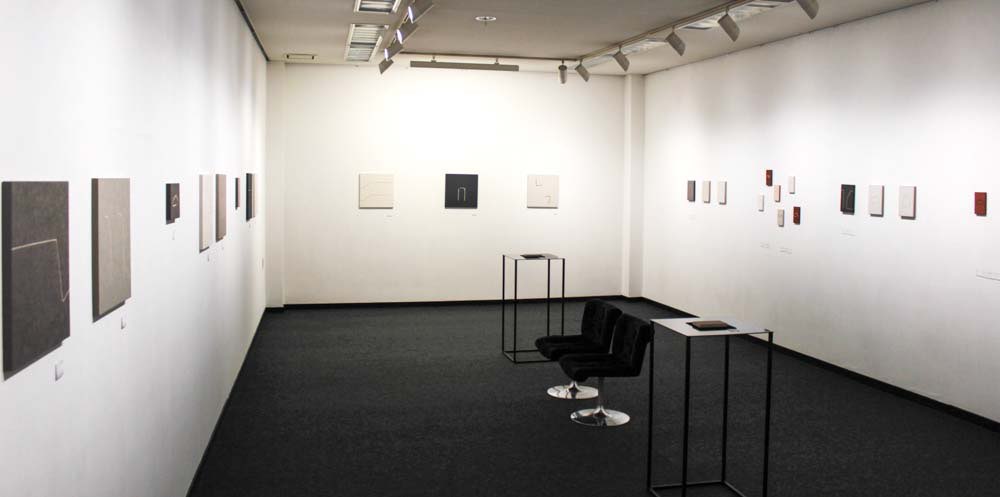
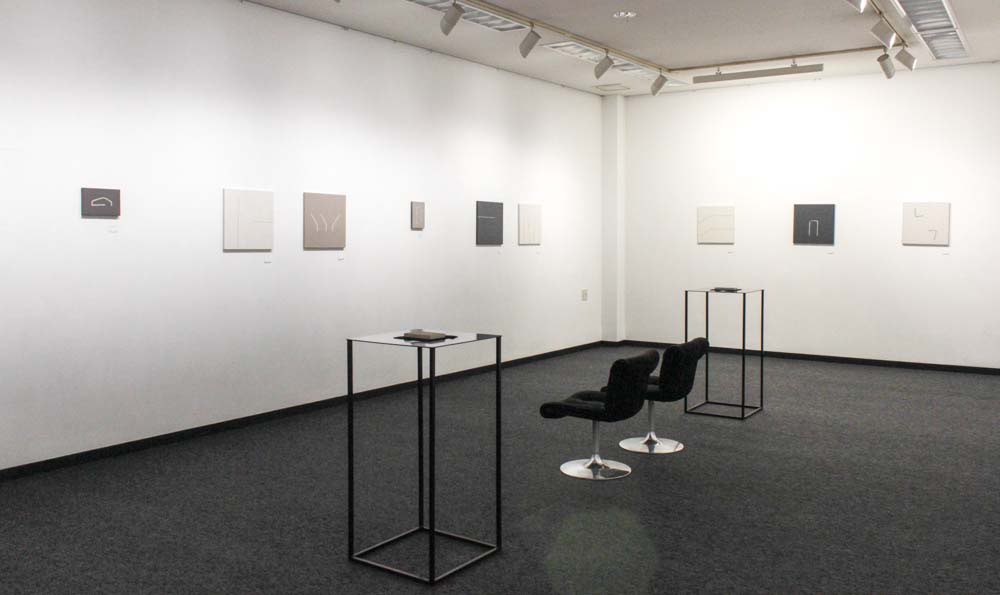
A bad work will not be transformed into a masterpiece by making it bigger. On the other hand, one cannot argue that a small size is not enough to make it a masterpiece. The hosun seal is in the process of being phased out, but no one can ignore its eloquence as a reflection of the macrocosm, even though it is called a microcosm. Dimensions have no meaning in terms of scale.
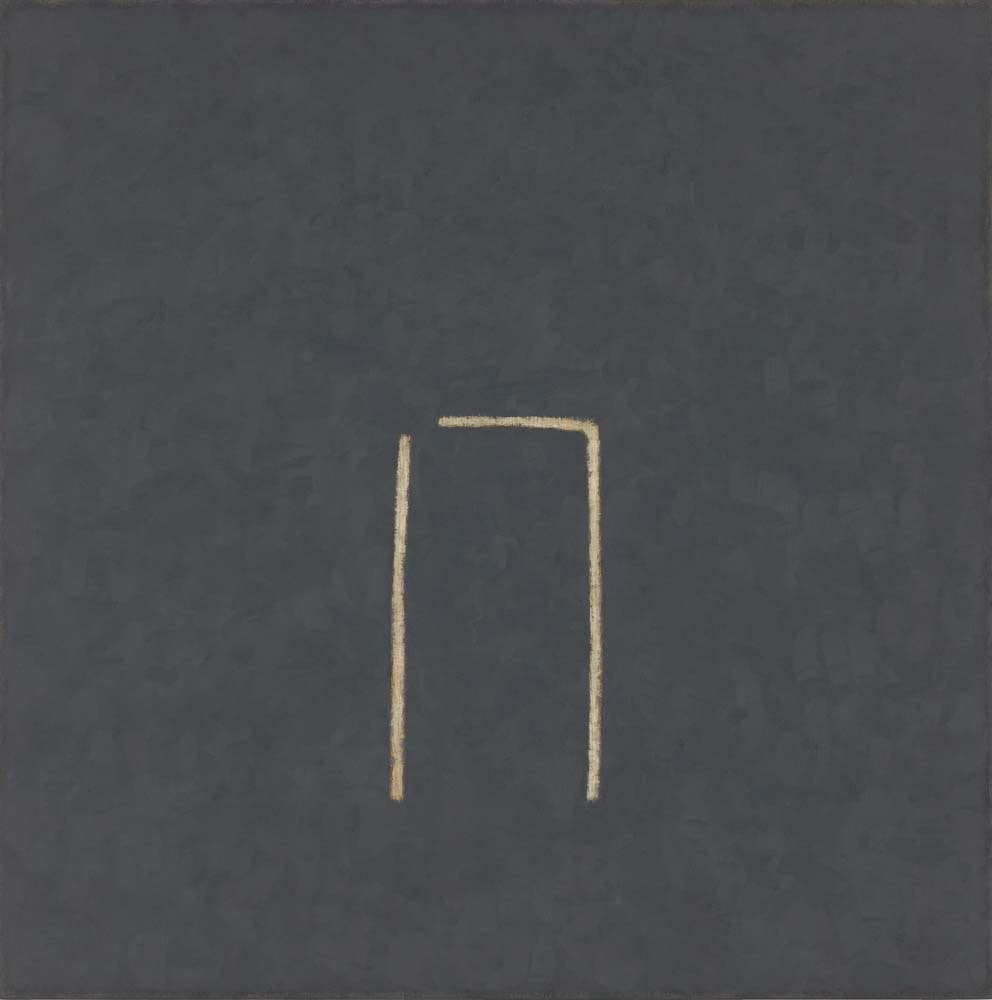
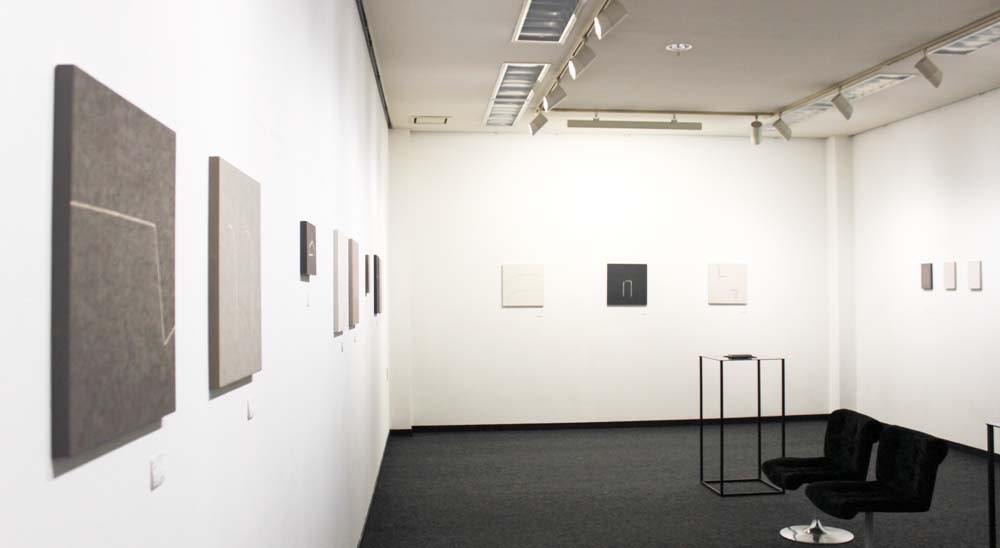
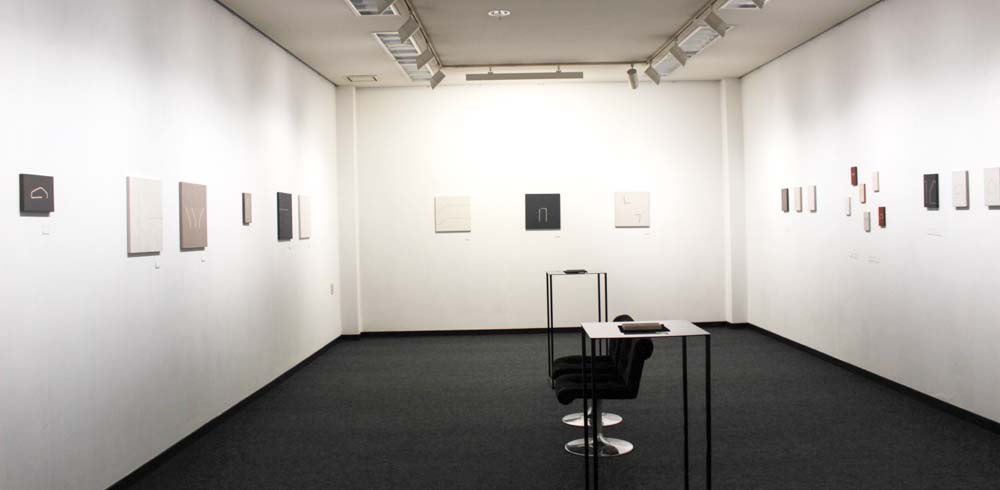
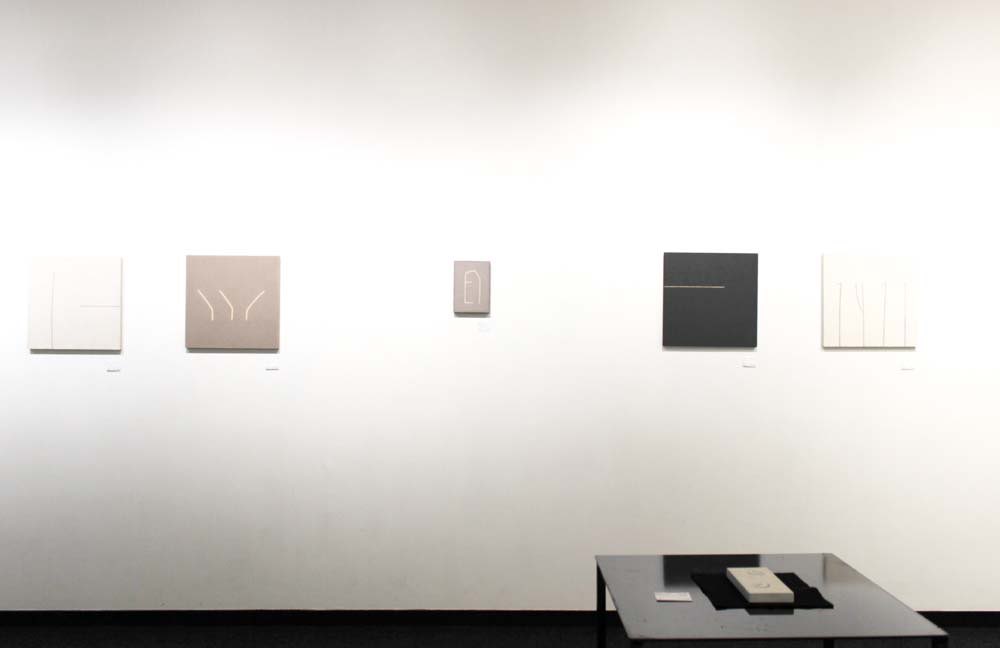
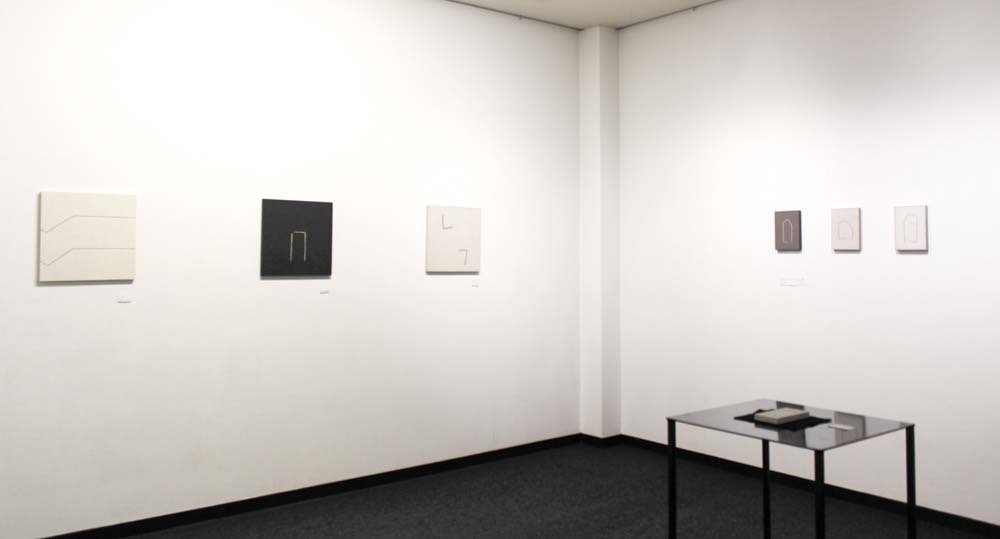
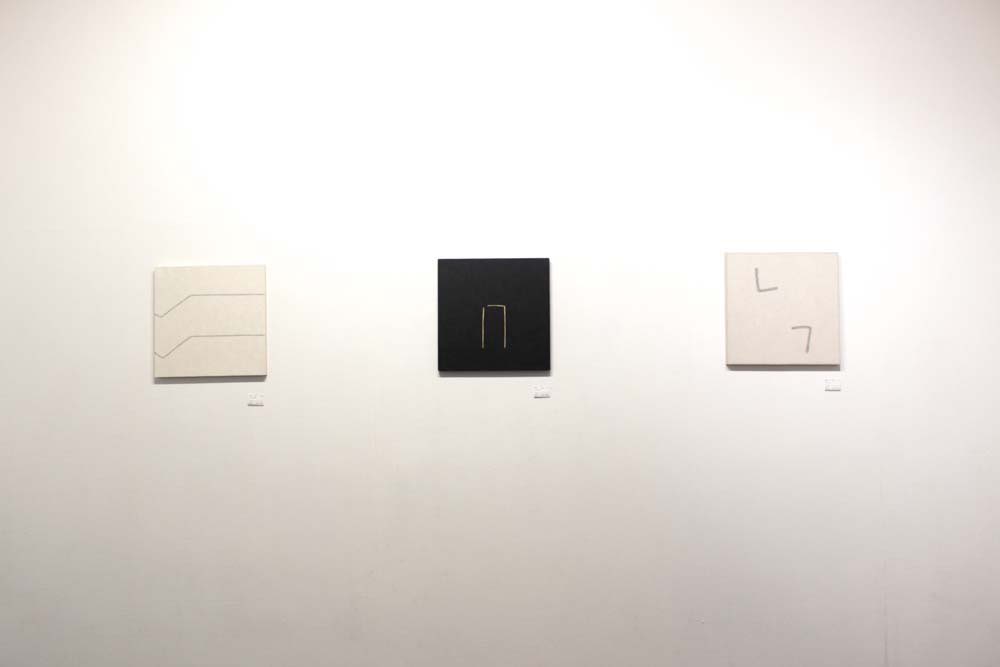
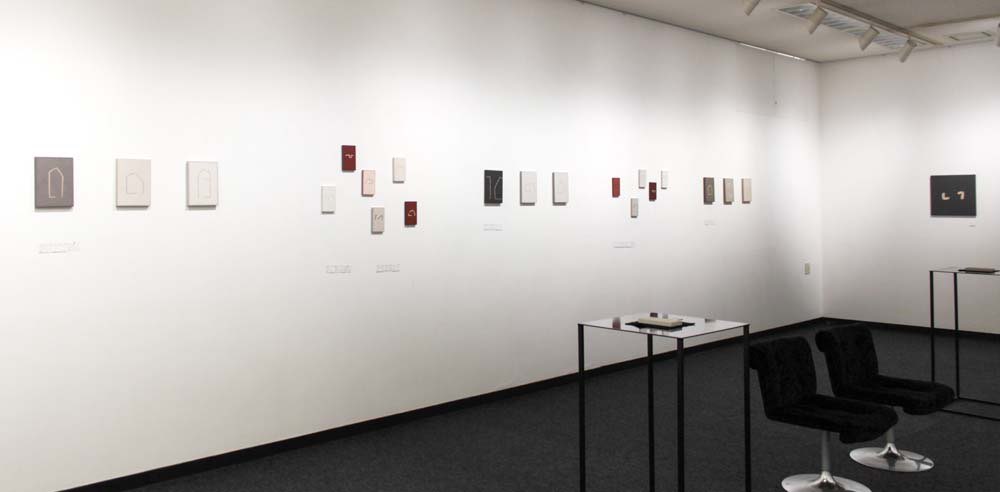
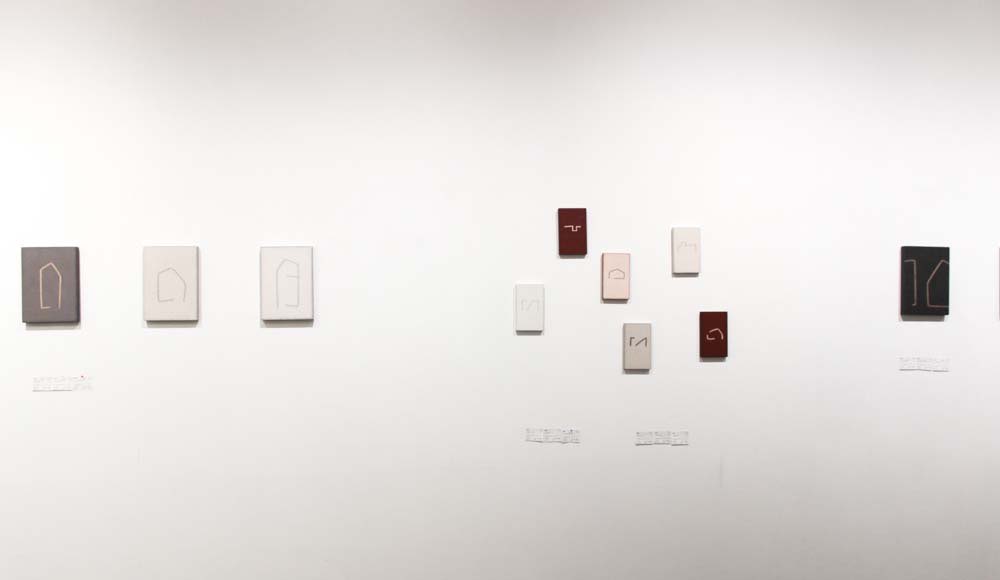
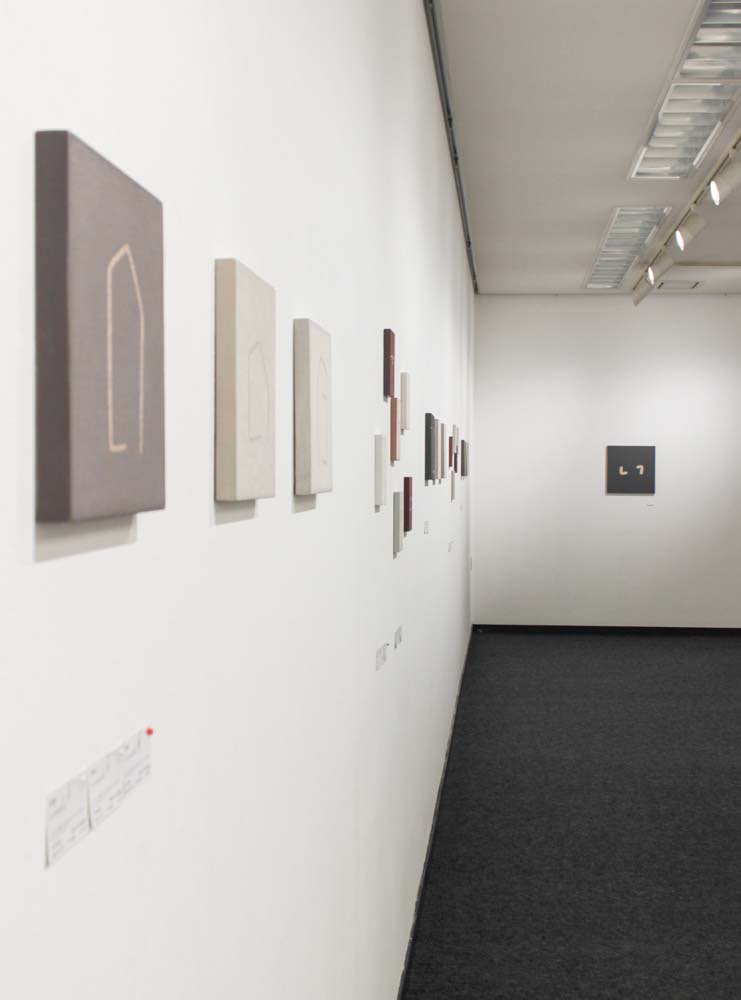
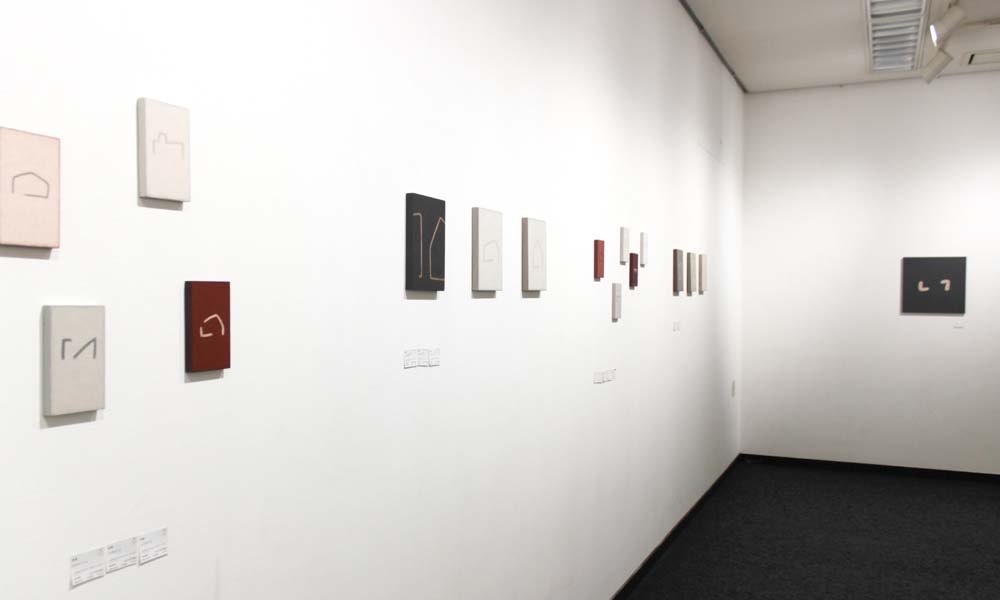
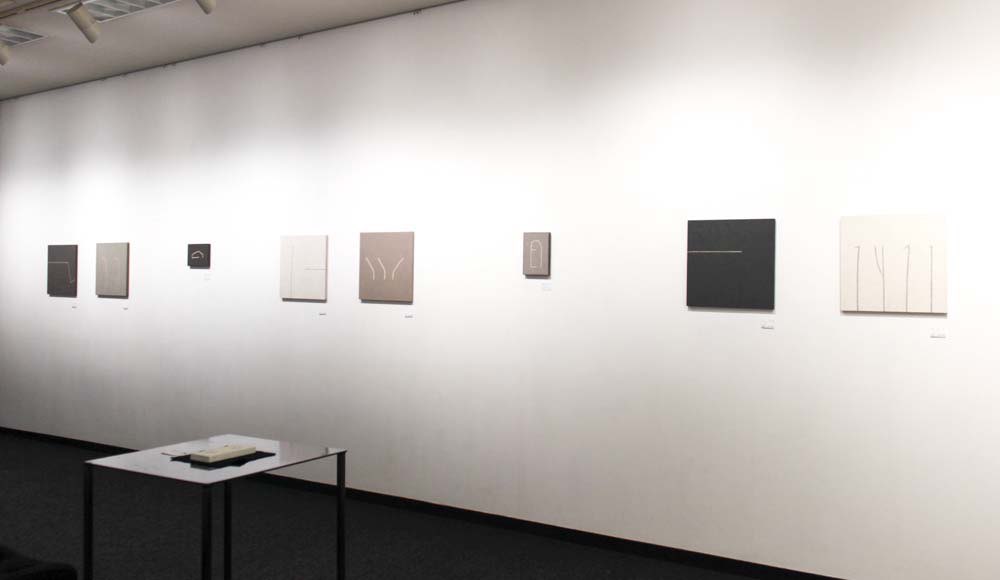
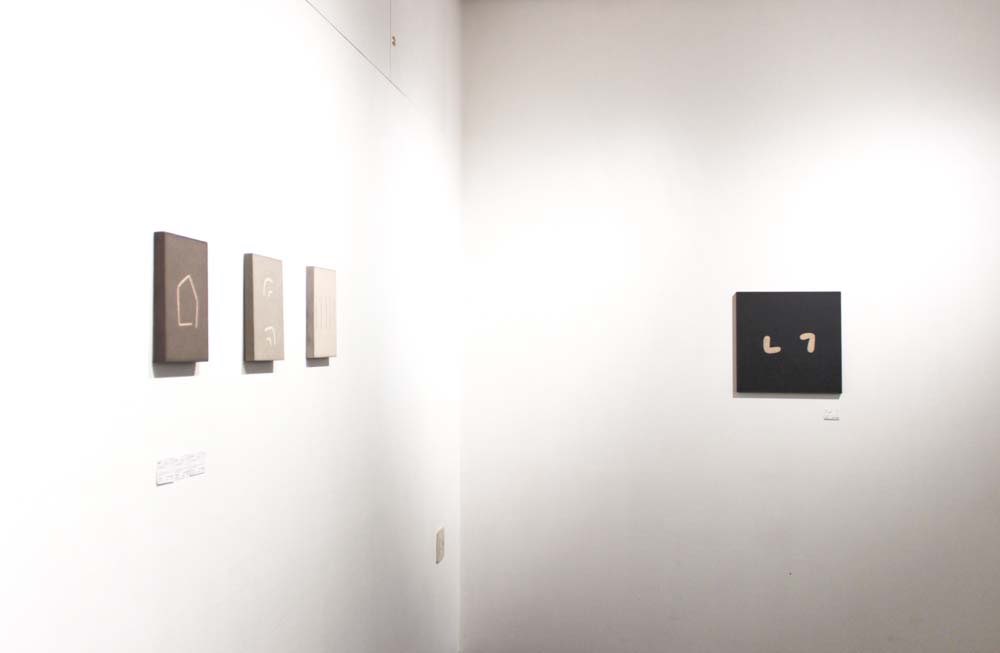
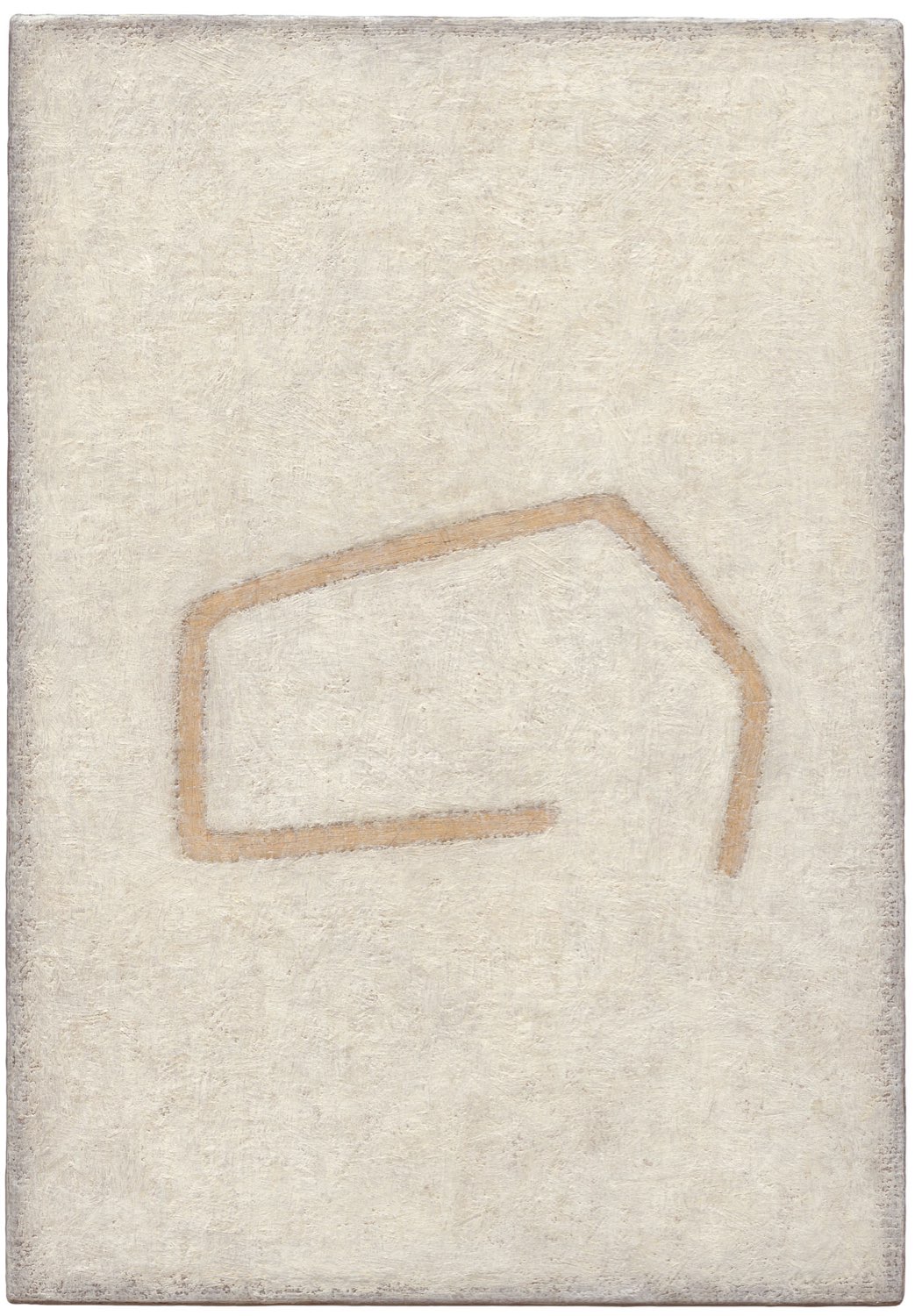
Although the works presented in this exhibition are mainly small in size, none of them were intended to be small pieces, and I approached their creation with the conviction that the universe can inhabit anything. It would be a great relief and pleasure if you could sense something from these works.
202206 Zhou Gou
Text by Zhou Hao
I don't know if a monk chants the same sutra day after day and sees a new world every day, but I imagine that there must be something similar and different about him these days.
My pursuit of the ordinary and simple becomes stronger with each passing year, and I do not dare to avoid, but rather accepts and interacts with similar shapes and colors that repeat themselves.
I am willing to accept the simple, and I believe that change is more valuable and meaningful than transformation.
A piece of leaf is enough to make the shapeless wind and its movement visible. If each piece of artwork did not have a similar effect, it would be nothing more than a prank.
Even in the midst of the Corona disaster, creation is a stand-alone activity, so there is no noticeable effect. Although restrictions and self-restraint have obviously drastically reduced my outings in terms of social interaction, the time I have spent with my works has been unprecedentedly intense. It was under such circumstances that I created this work.
I composed mainly small works. With more than a dozen layers of paint, the screen gradually comes to life and begins to assert itself. Although each of the works began with the artist's intention, as the production progressed, the work gradually took the lead, and I found myself submitting to the reversed master-slave relationship and feeling a sense of pleasure mixed with bewilderment.
The production process is similar to raising a child; the work becomes independent after a period of rebellion, and the artist becomes a third party, enjoying the otherness of his or her own work in the process. It would be my greatest pleasure if you could feel something from these works.