Kuramoto Hidehiko Exhibition
July 9 - August 28, 2022
Wednesday-Sunday: 11: 00-17: 00
Last day of the exhibition: 11: 00-16: 00
Closed: Monday, Tuesday
Summer during summer : August 13th to 23rd
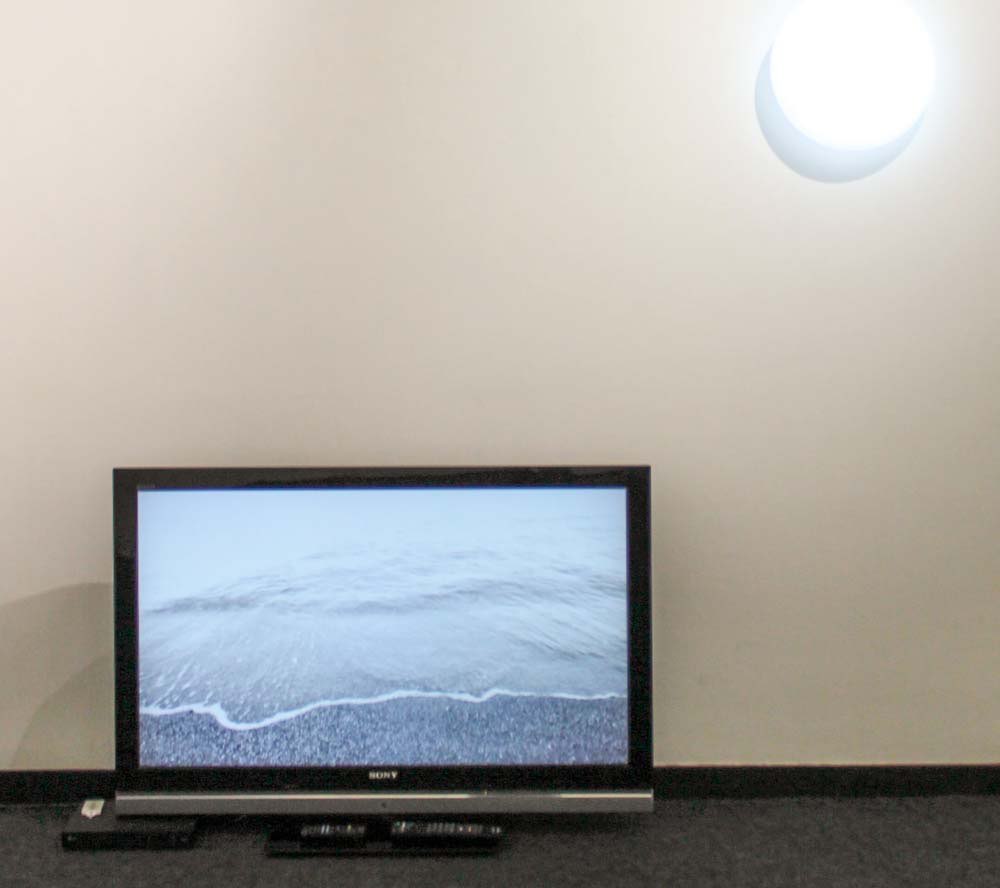
Press Release for KURAMOTO Hidehiko Exhibition
Artland Gallery is pleased to present an exhibition of new oil paintings and prints by Kuramoto Hidehiko on the theme of memory. This will be his second solo exhibition at the gallery, following his first in 2018. Kuramoto is currently based in Kagawa Prefecture.
While printmaking was his starting point during his university years, Kuramoto has since continued to create artworks, demonstrating a dexterous ability to create the very thing he wants to express, making use of real materials rather than two-dimensional illusions.
However, after the Great East Japan Earthquake of 2011, the theme and everything about his work changed before and after the disaster, and he describes his feelings as follows. He says, "I started painting for myself, trying to hold on to the memories that I was forgetting. (Note 1)"
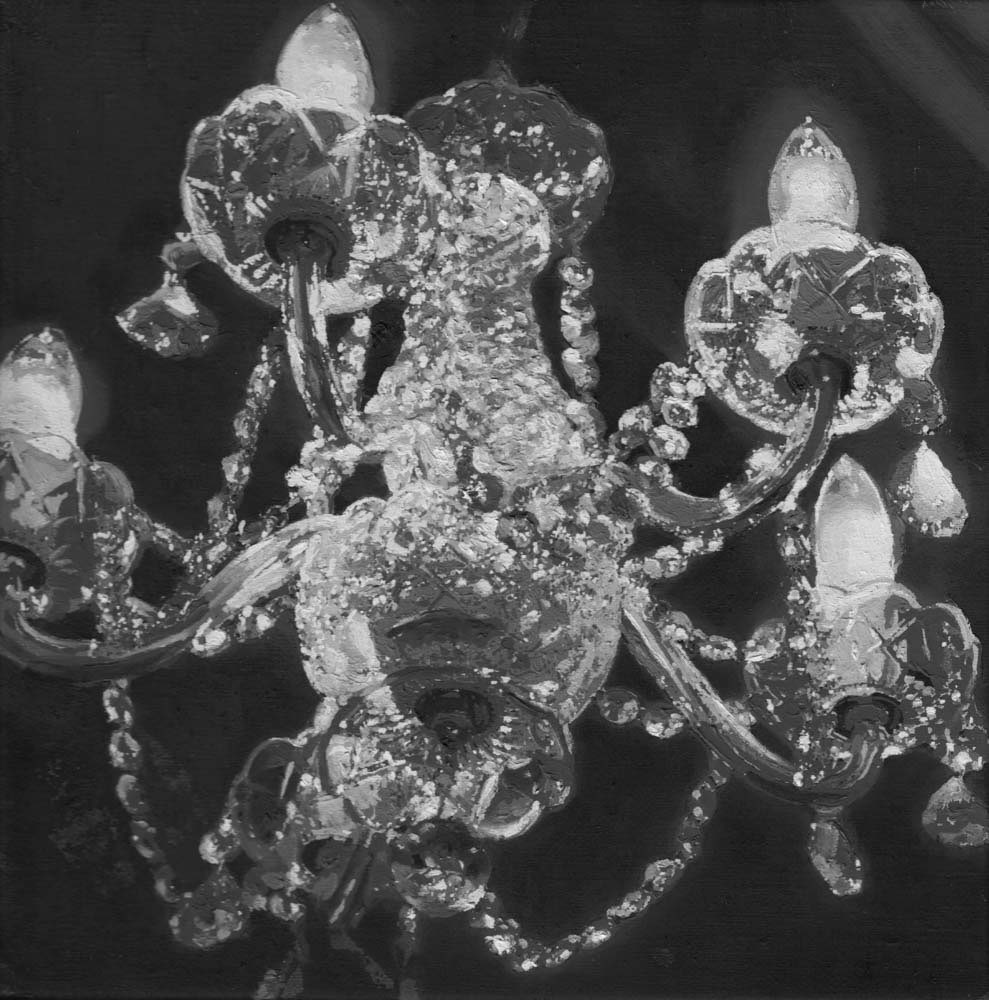
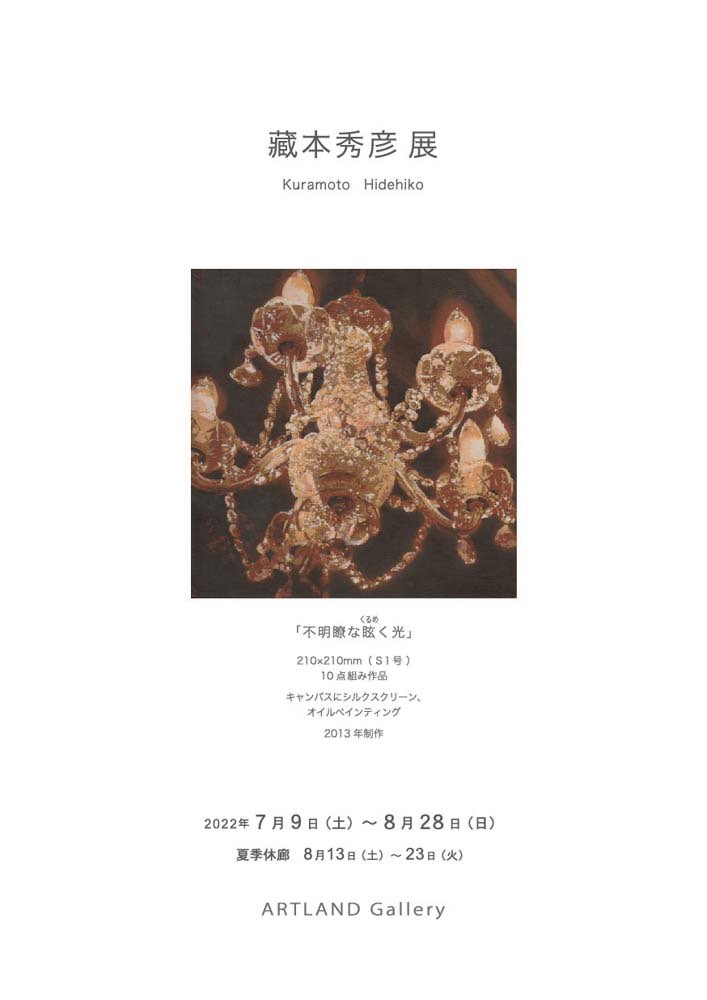
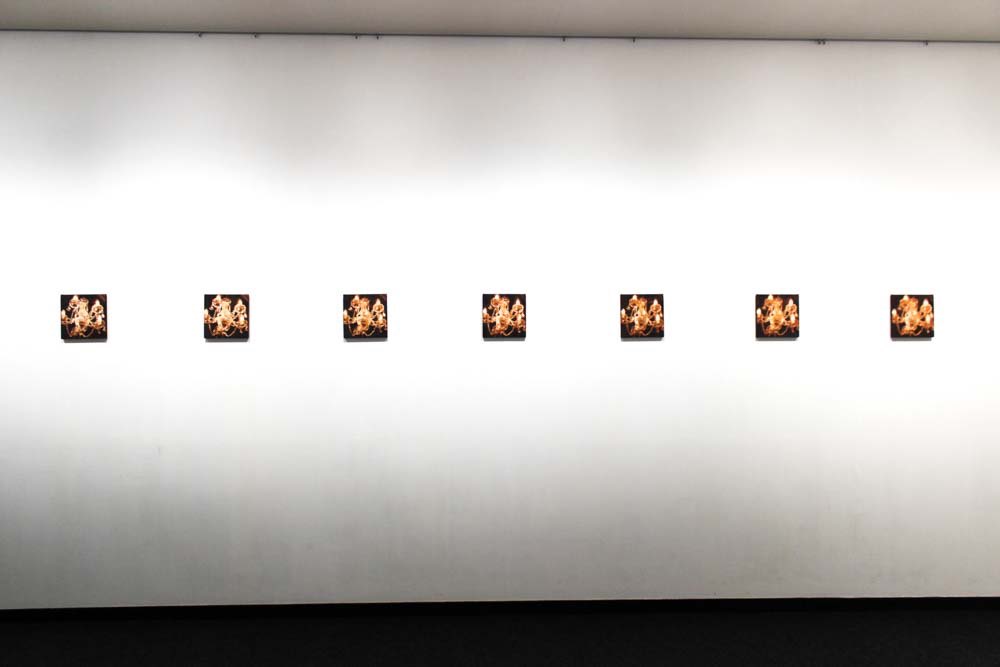
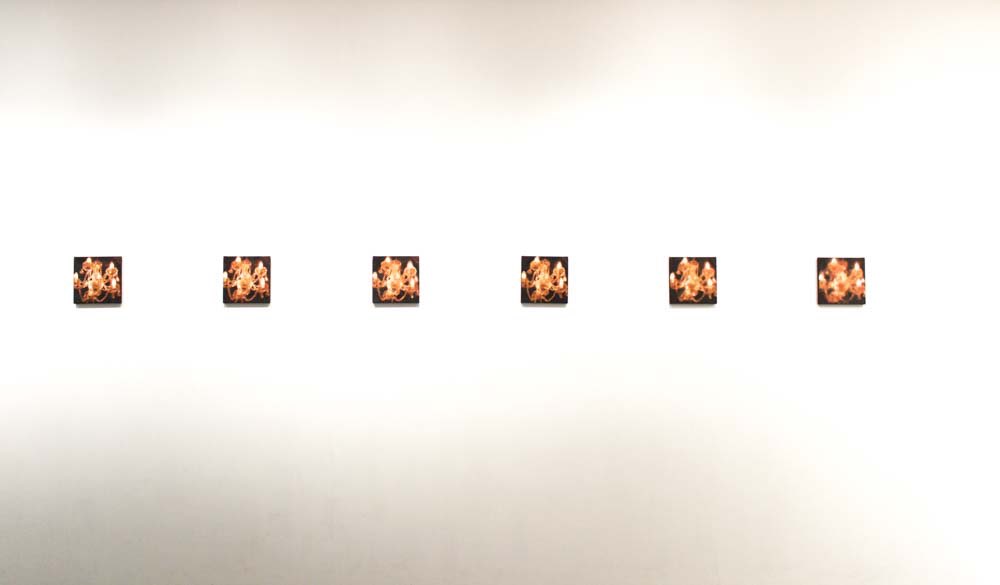
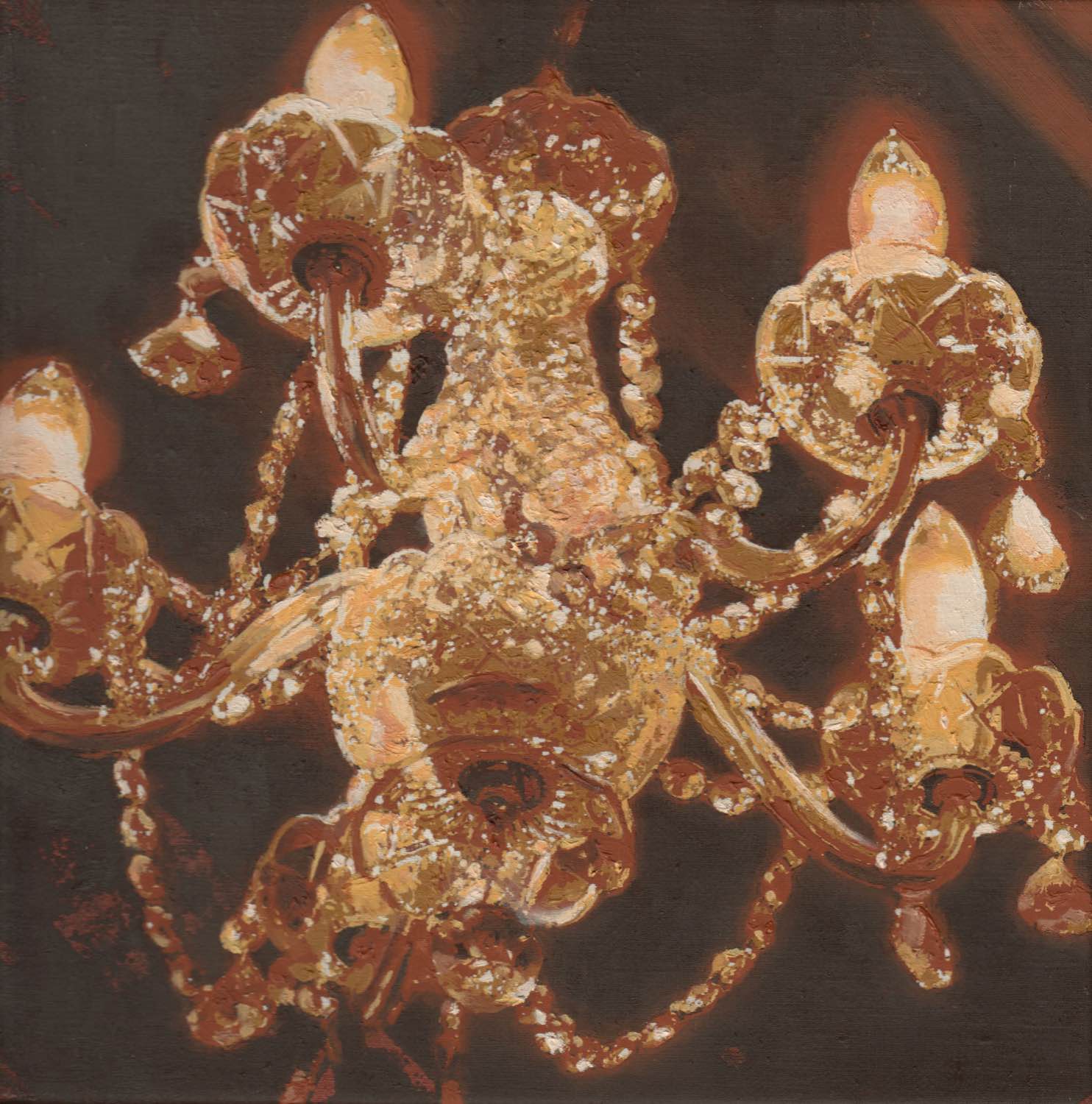
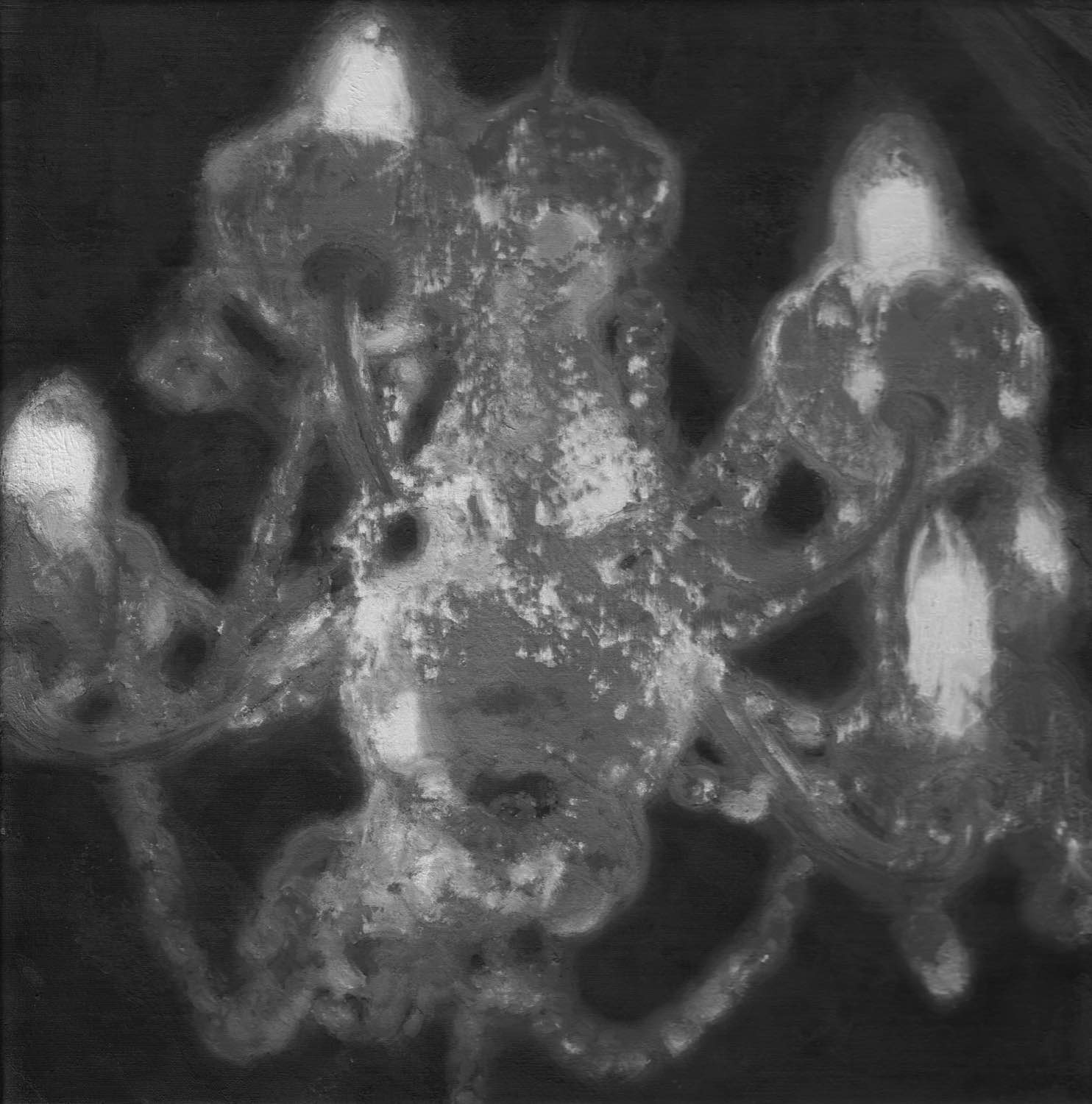
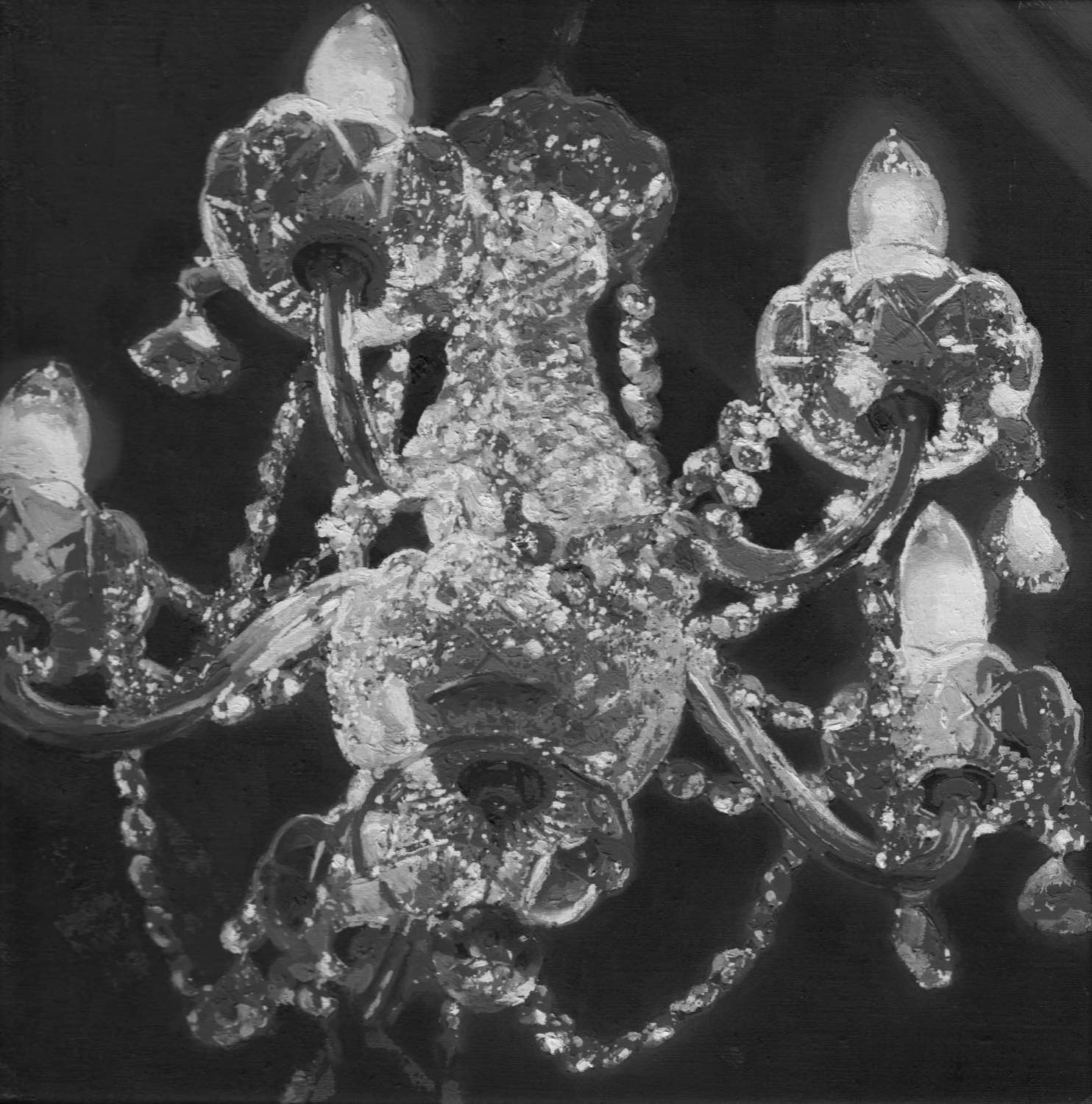
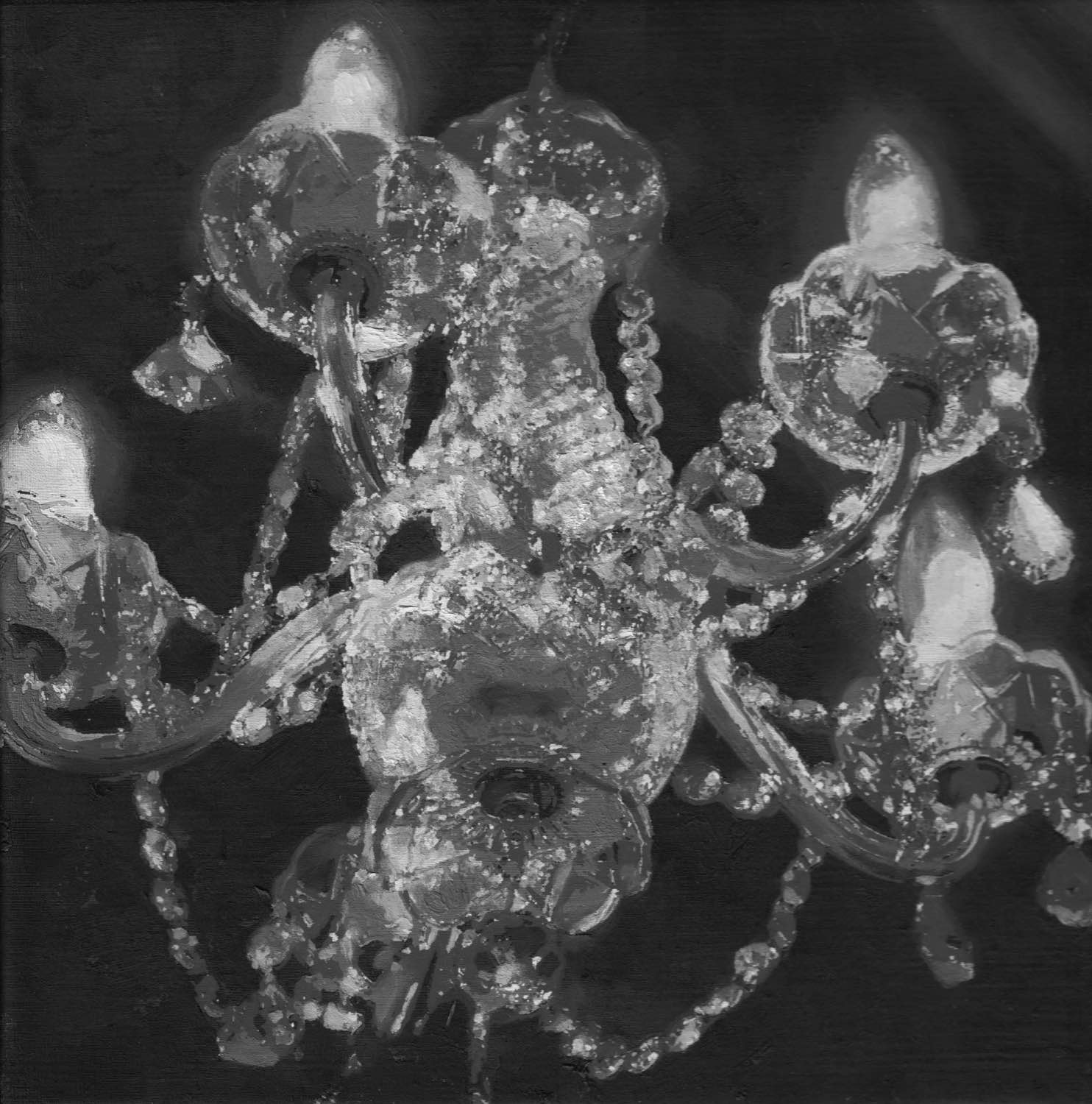
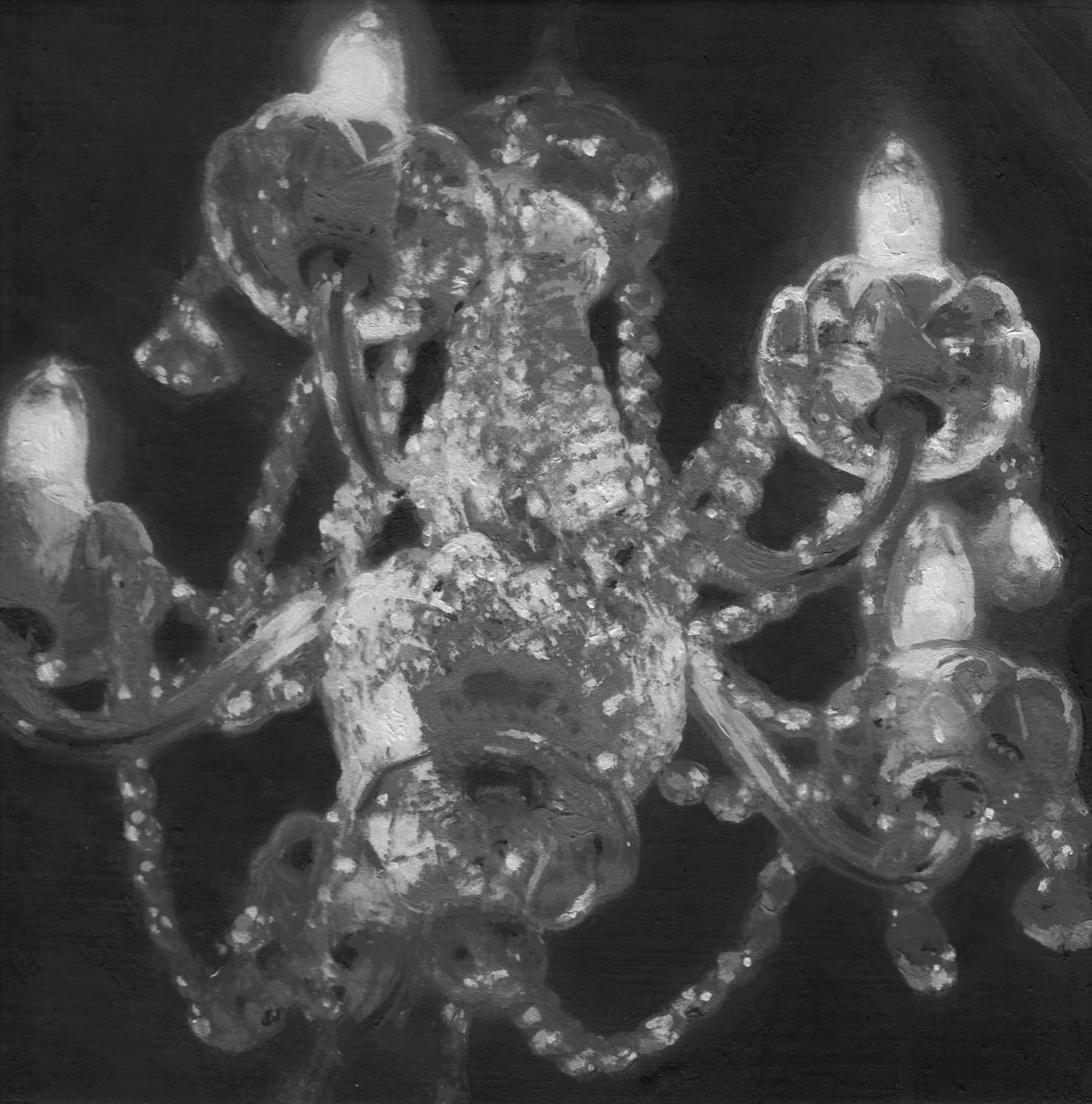
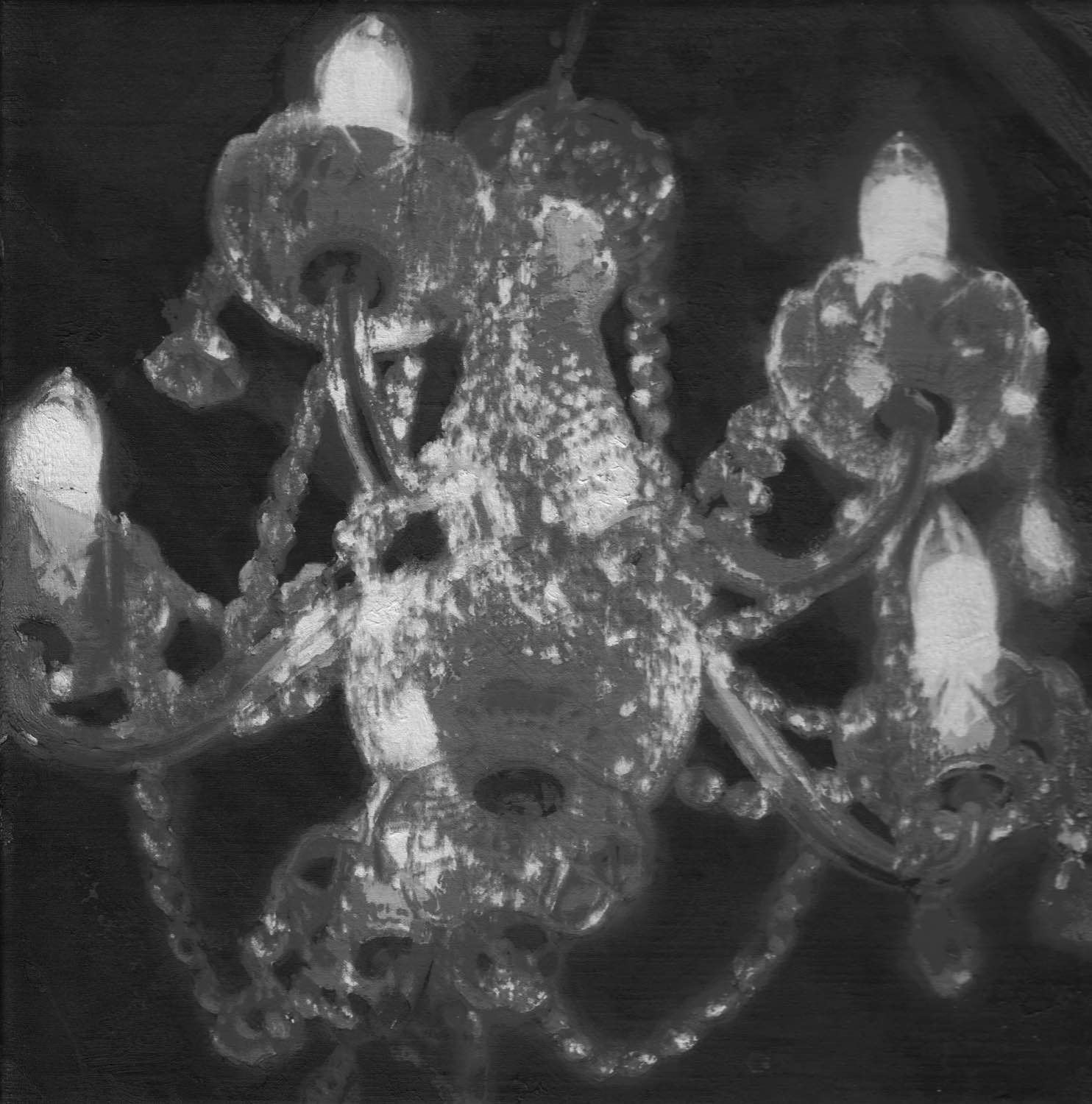
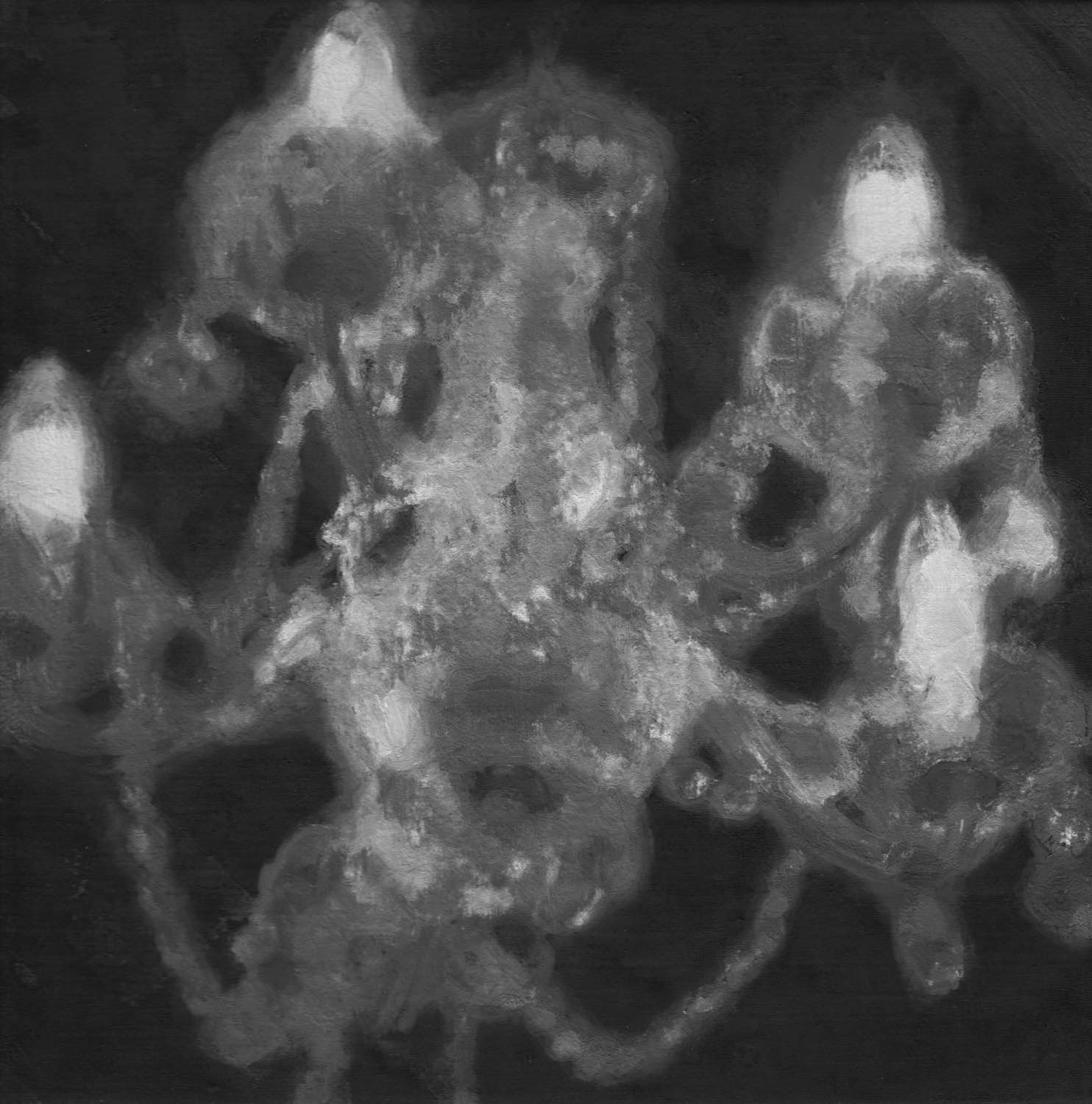
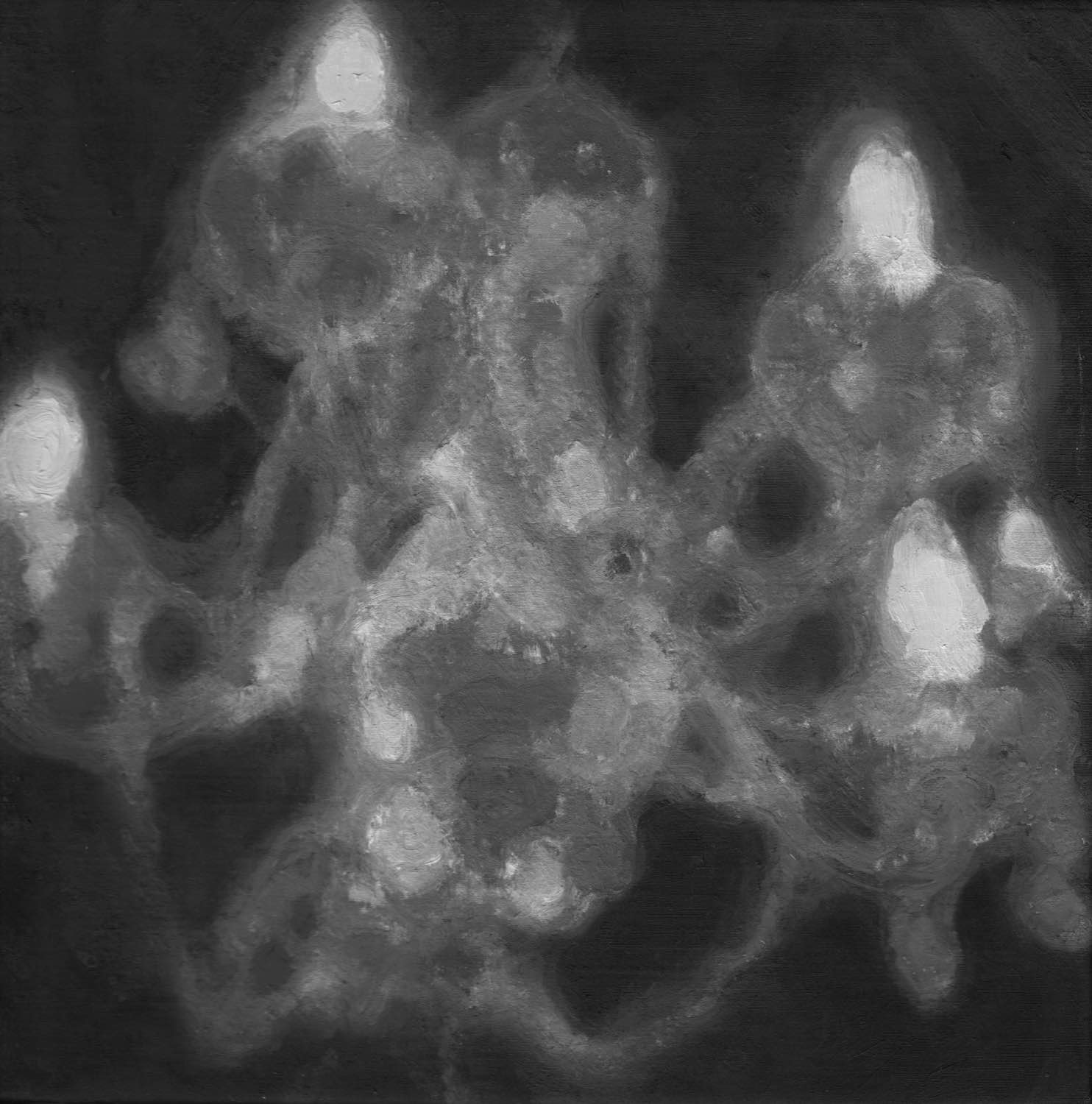
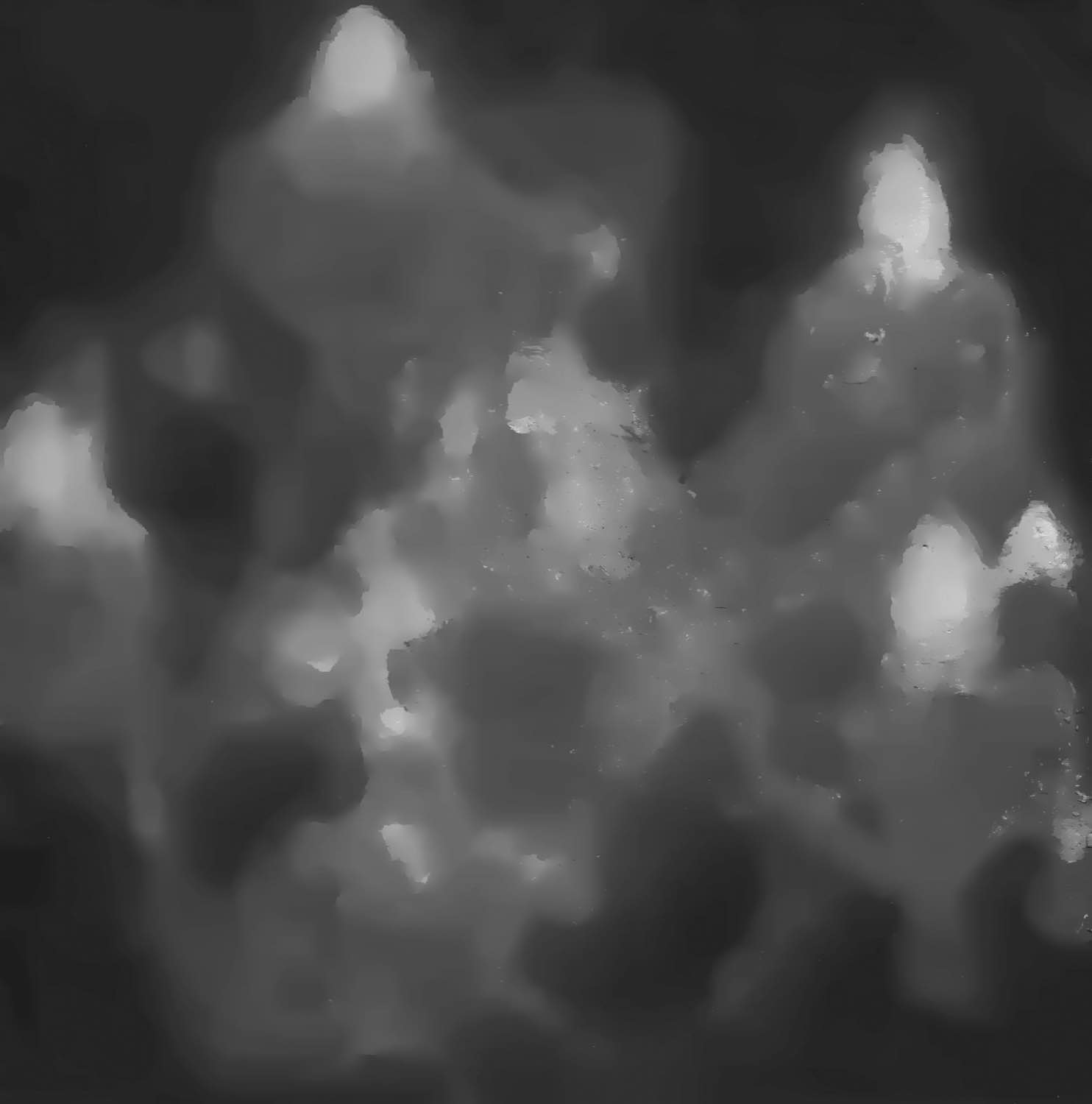
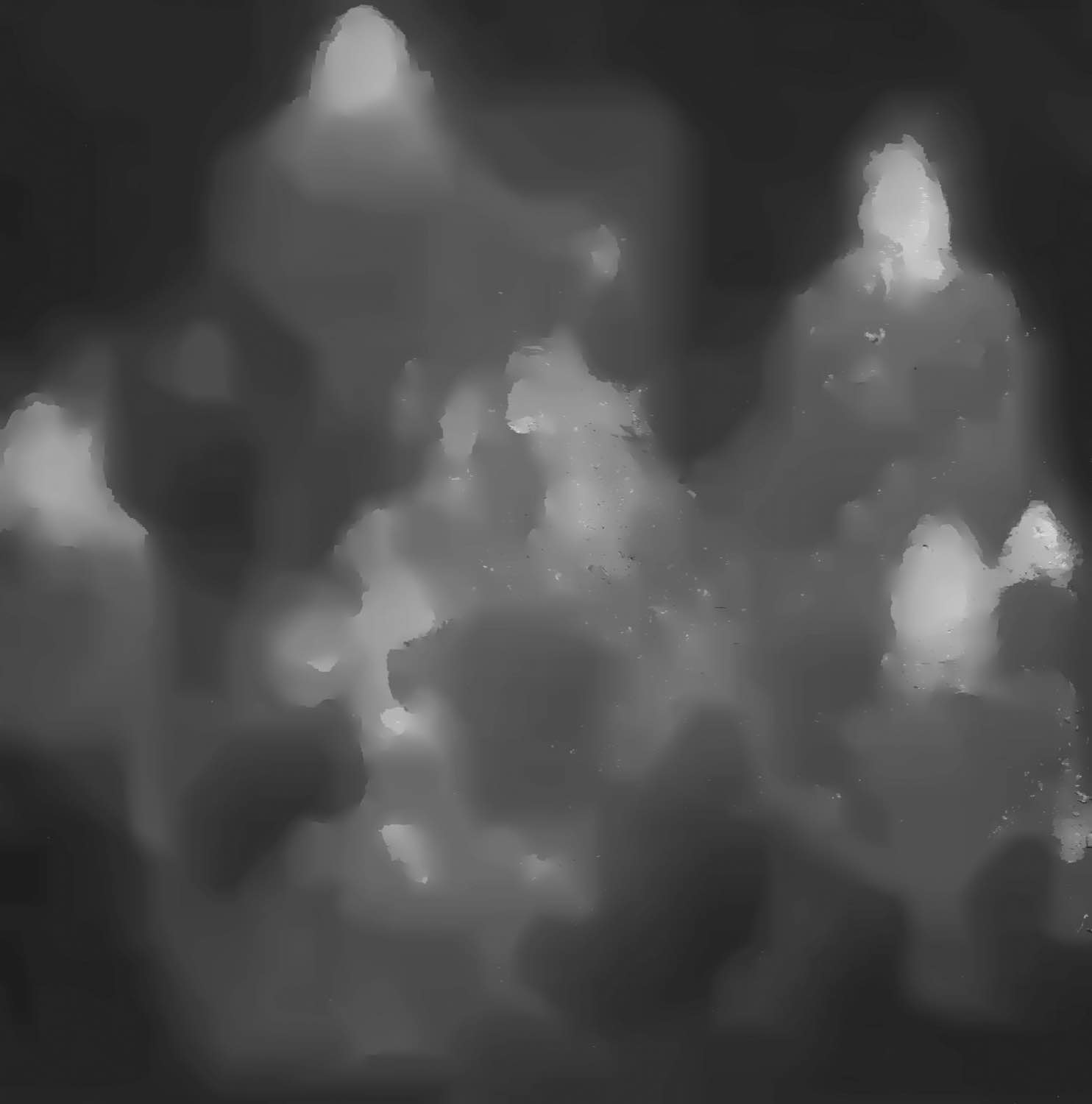
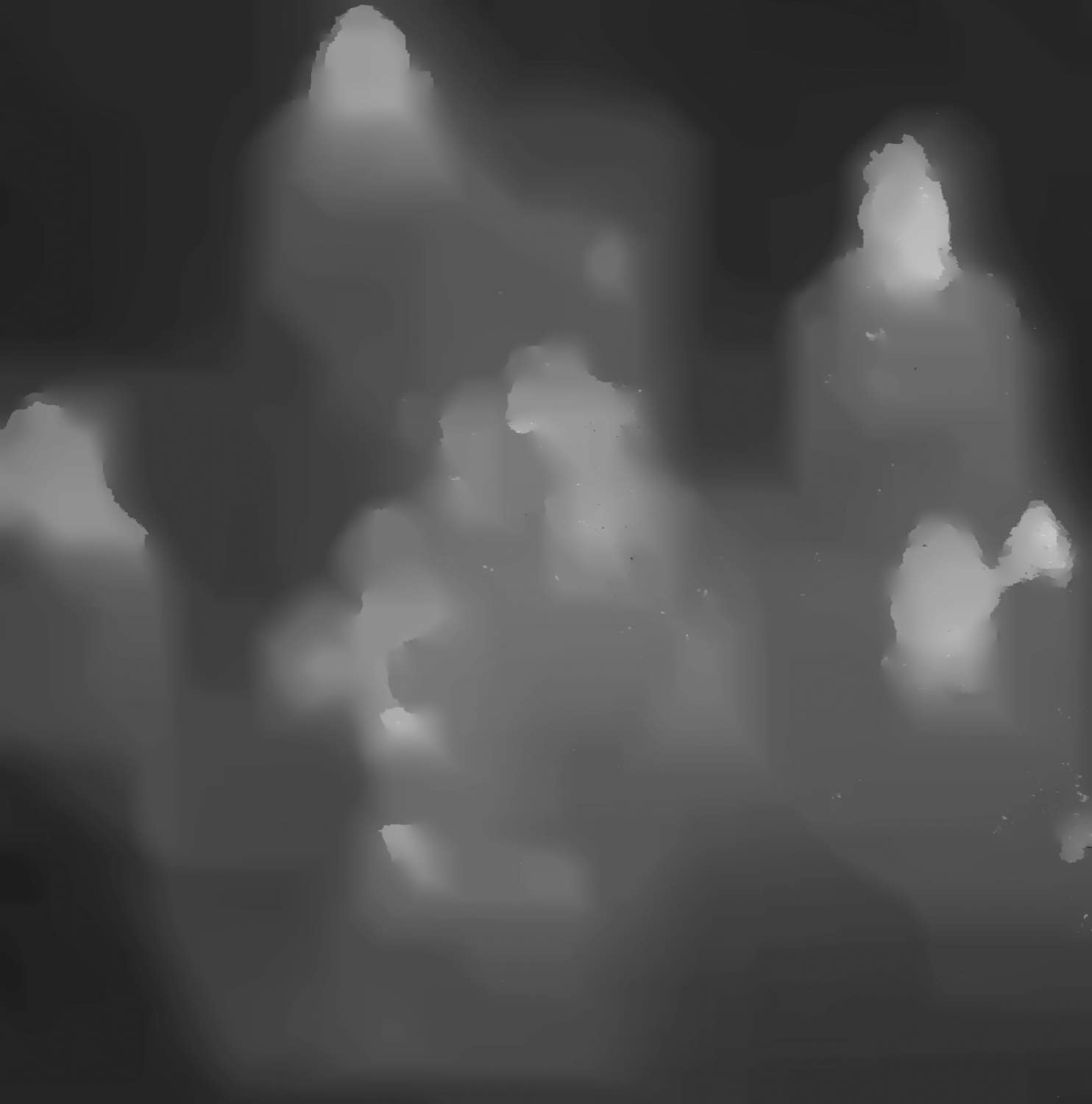
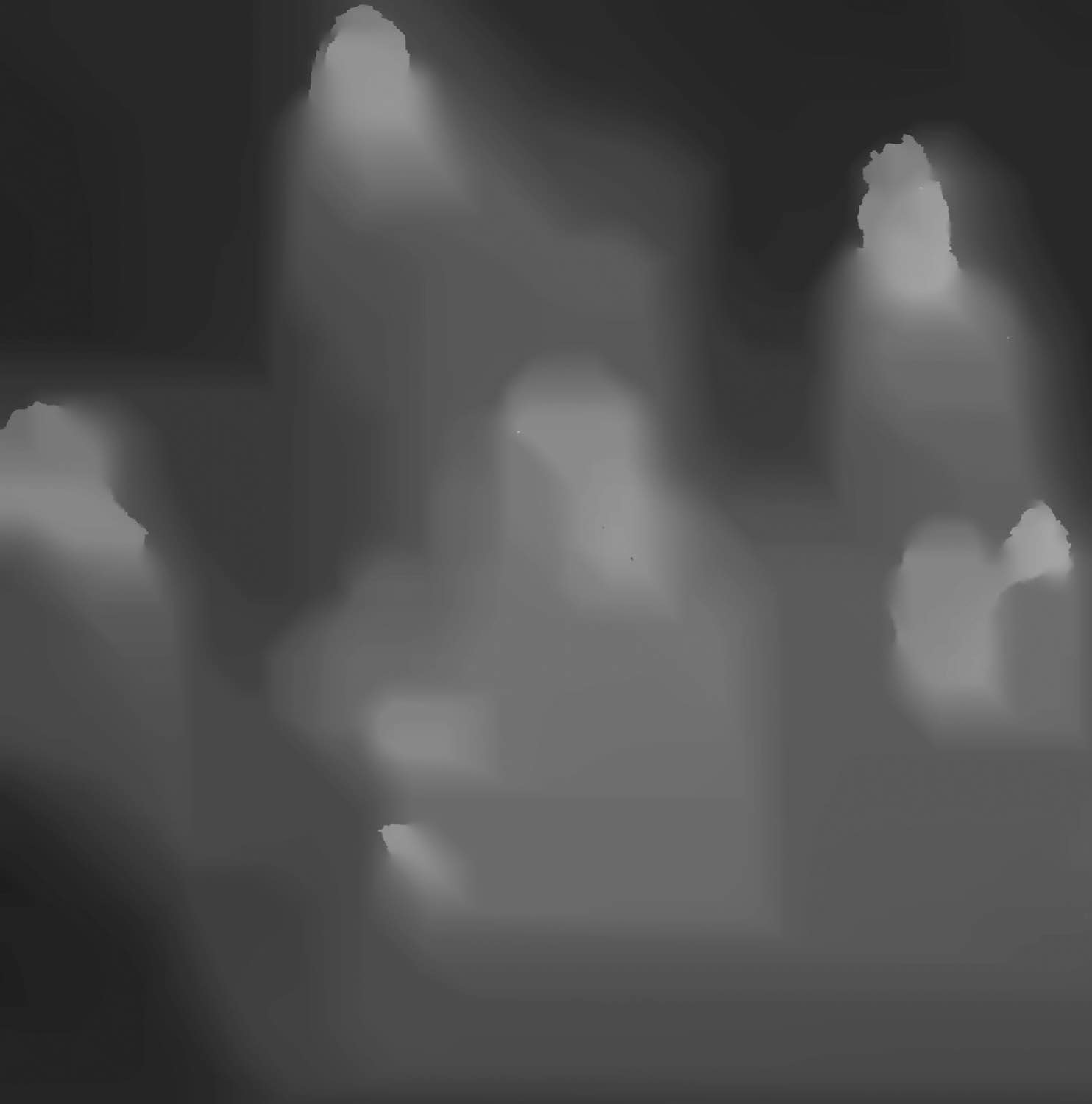
In this exhibition, Kuramoto questions the nature of human memory with an image of a chandelier that is blurred in stages; he uploaded the predecessor of the chandelier to social networking sites every day in 2018 to see the reaction. At first, the work gained a large number of "likes," but as he uploaded the blurred images little by little, the number of "likes" decreased as his followers became bored, and then the number of "likes" increased as they noticed that the images were being intentionally blurred.
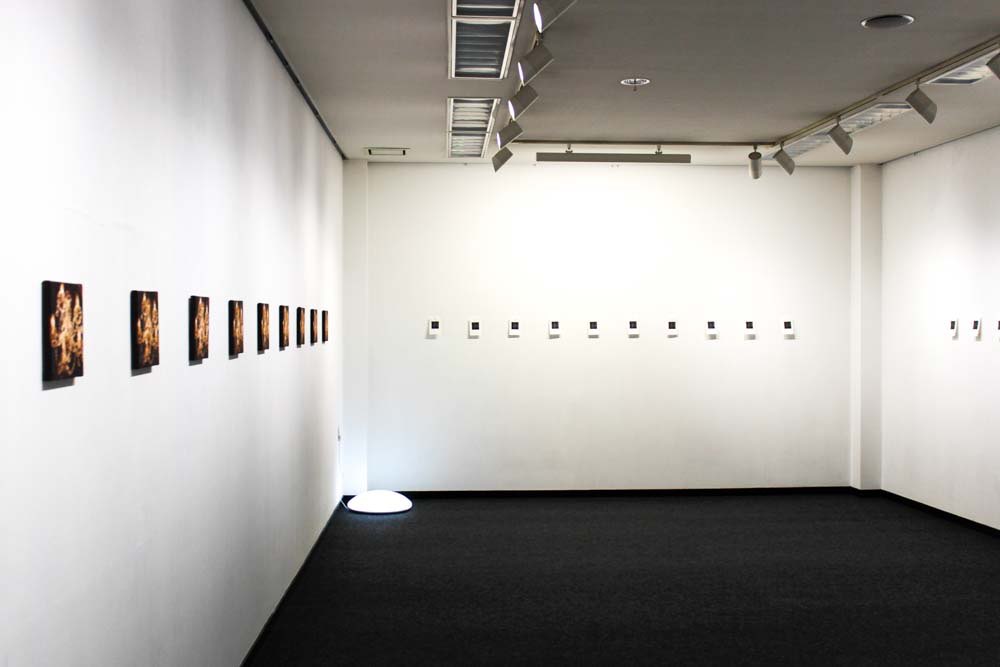
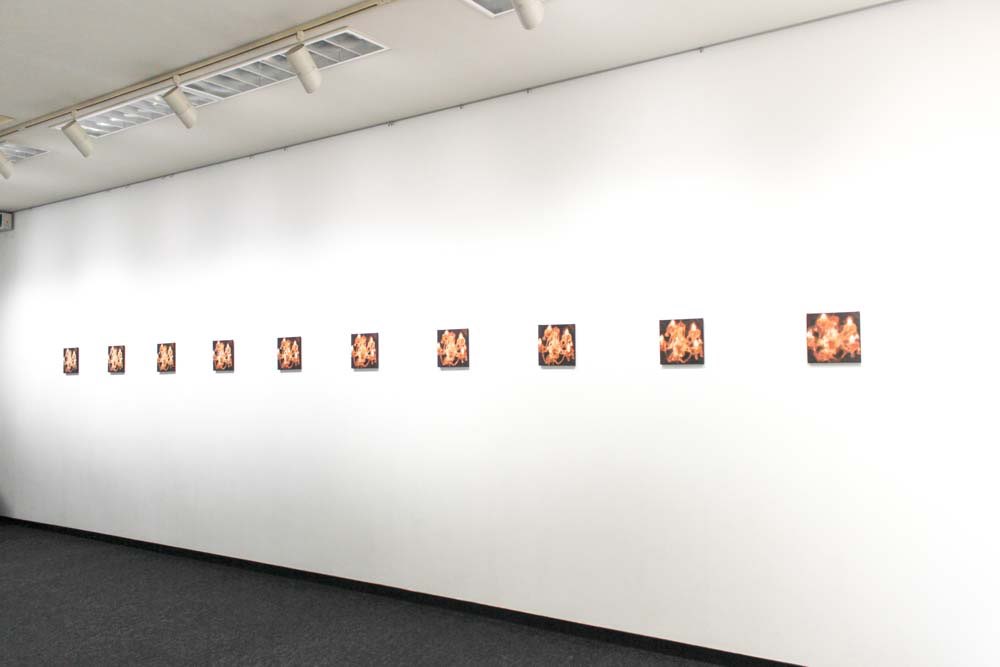
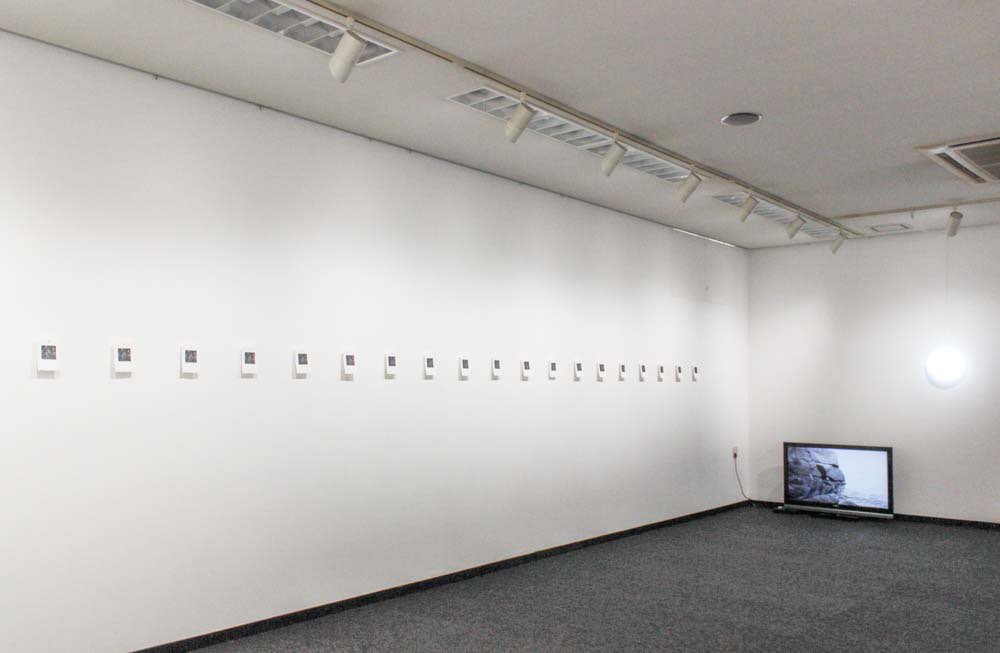
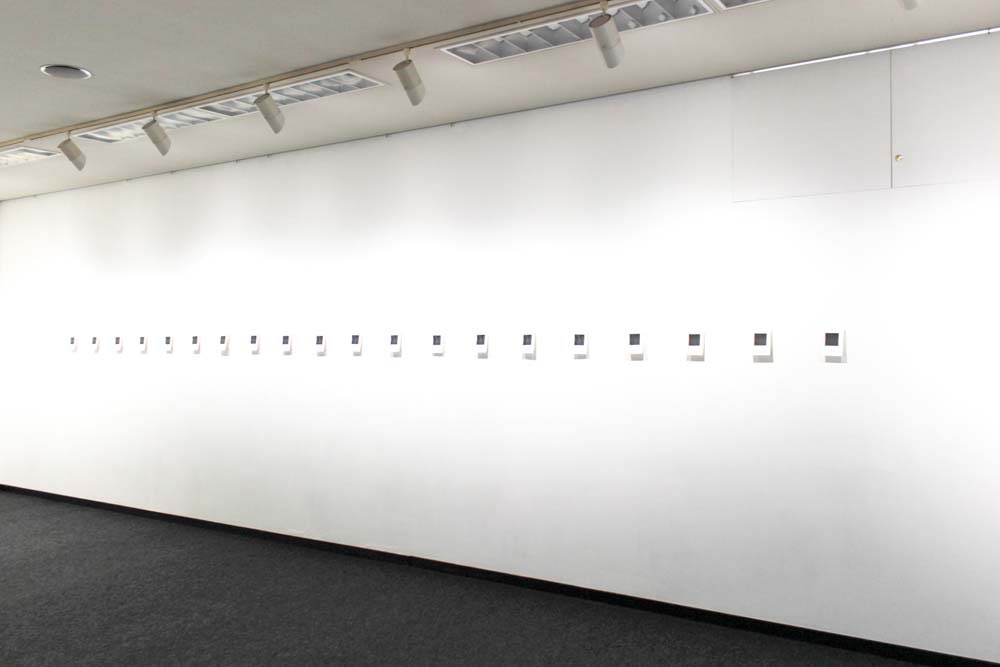
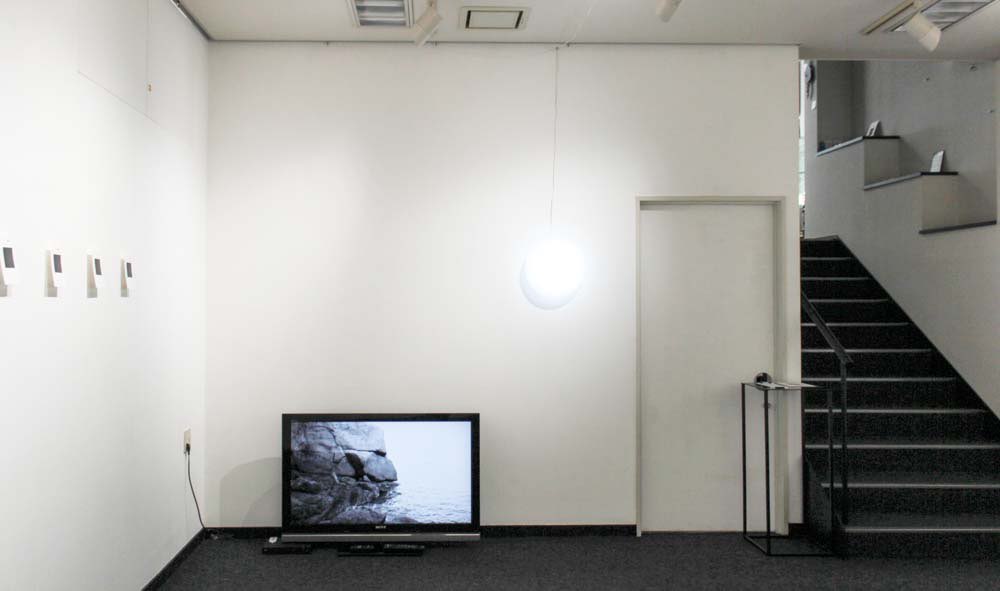
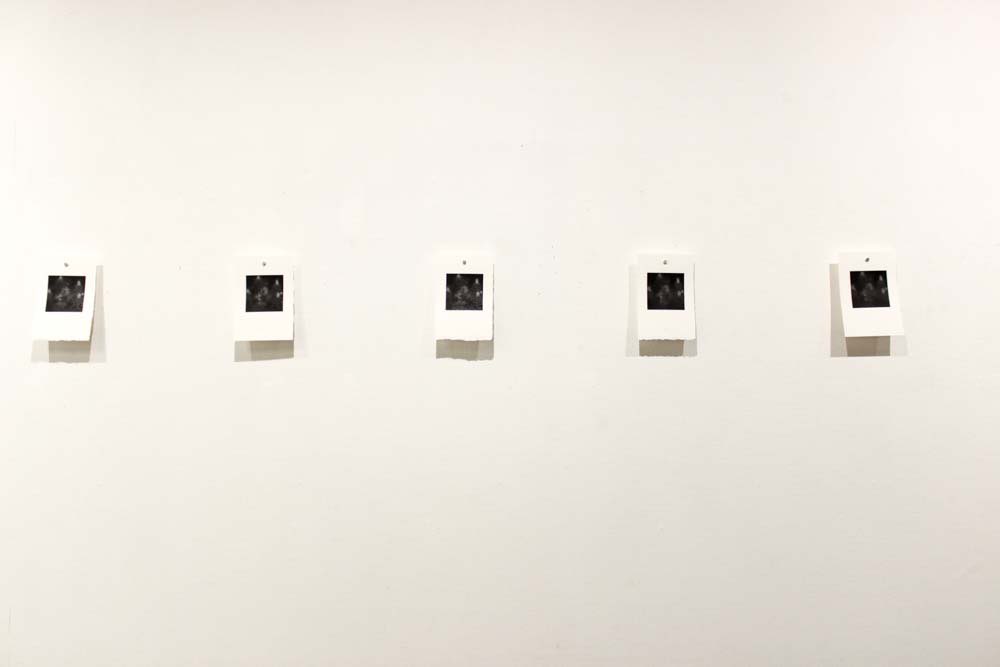
The work shown in this exhibition is based on a silkscreen image of a chandelier, which was hand-colored in oil and blurred in 10 steps. Based on the blurring of the chandelier in those 10 oil paintings, he has added even finer stages of blurring to create a small series of prints blurred in 30 stages.
Through these works, Kuramoto reminds us of how vague and uncertain human memory is, and how quickly what we think we remember becomes uncertain and forgotten. Beyond that, I believe that he wishes to remind us of the importance of continuing to remember social events that should not be forgotten.
(Note 1) Source: Kuramoto Hidehiko , “The rain that falls on the sea. Light in the hands. Published by the Department of Fine Arts, Takamatsu Kogei High School of Arts and Crafts
Hidehiko Kuramoto
Completed graduate studies at the University of Tsukuba, School of Fine Arts. Since student days, unique methods in the realm of printmaking have garnered attention through participation in events such as the Wakayama Printmaking Biennale, Seibu Printmaking Grand Prize Exhibition, Krakow International Printmaking Triennial, and Budapest International Exhibition. Subsequently, exhibited continuously in the "Mainichi Contemporary Art Exhibition" and participated in various contests like the "Yasui Award Exhibition," "VOCA," "ACRYL AWARD," "FACE," and "ART OLYMPIA." Also contributed to curated exhibitions such as "CROSSPOINT" (Kagawa Prefectural Museum), "Takamatsu City Museum of Art Collection + Light Spilling with Tadao Kimura" (Takamatsu City Museum of Art), "Kunisame and Corpses" (Seto Inland Sea Historical Folk Museum), and "Setouchi Atmosphere: The Perspective of Art" (Kagawa Prefectural Museum). Additionally, involved in multiple collaborations with artists like Semimaru (Sankai Juku), Kazutoki Umezu (sax), Tetsu Iwashita (dance), and Fumi Takahashi (Shibusashirazu Orchestra).
Currently holding a solo exhibition "Babel" at (A Single Art Museum) from September 2 to September 30.

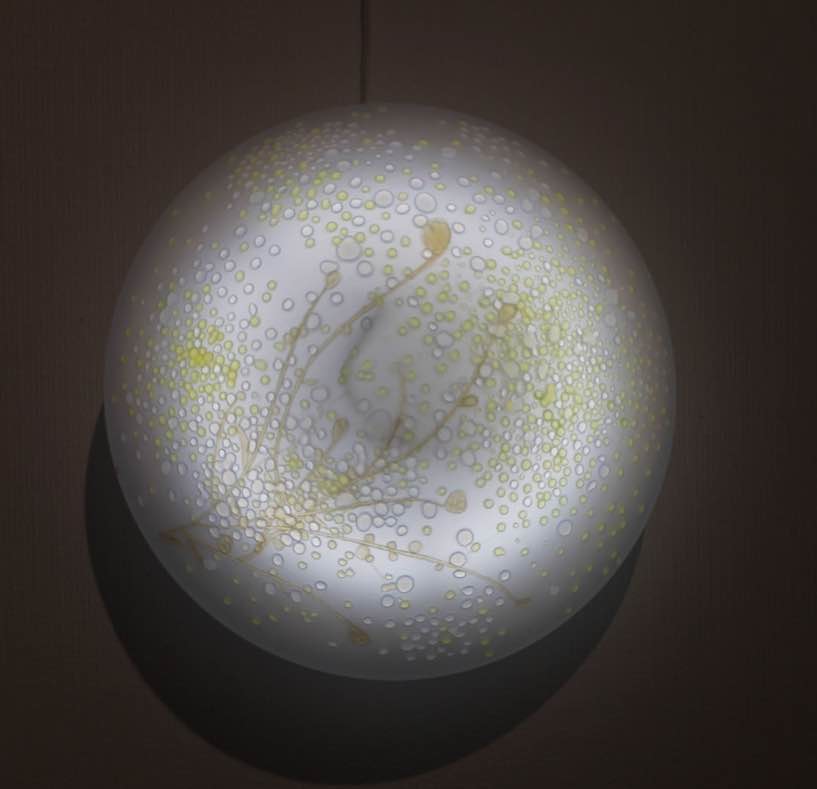
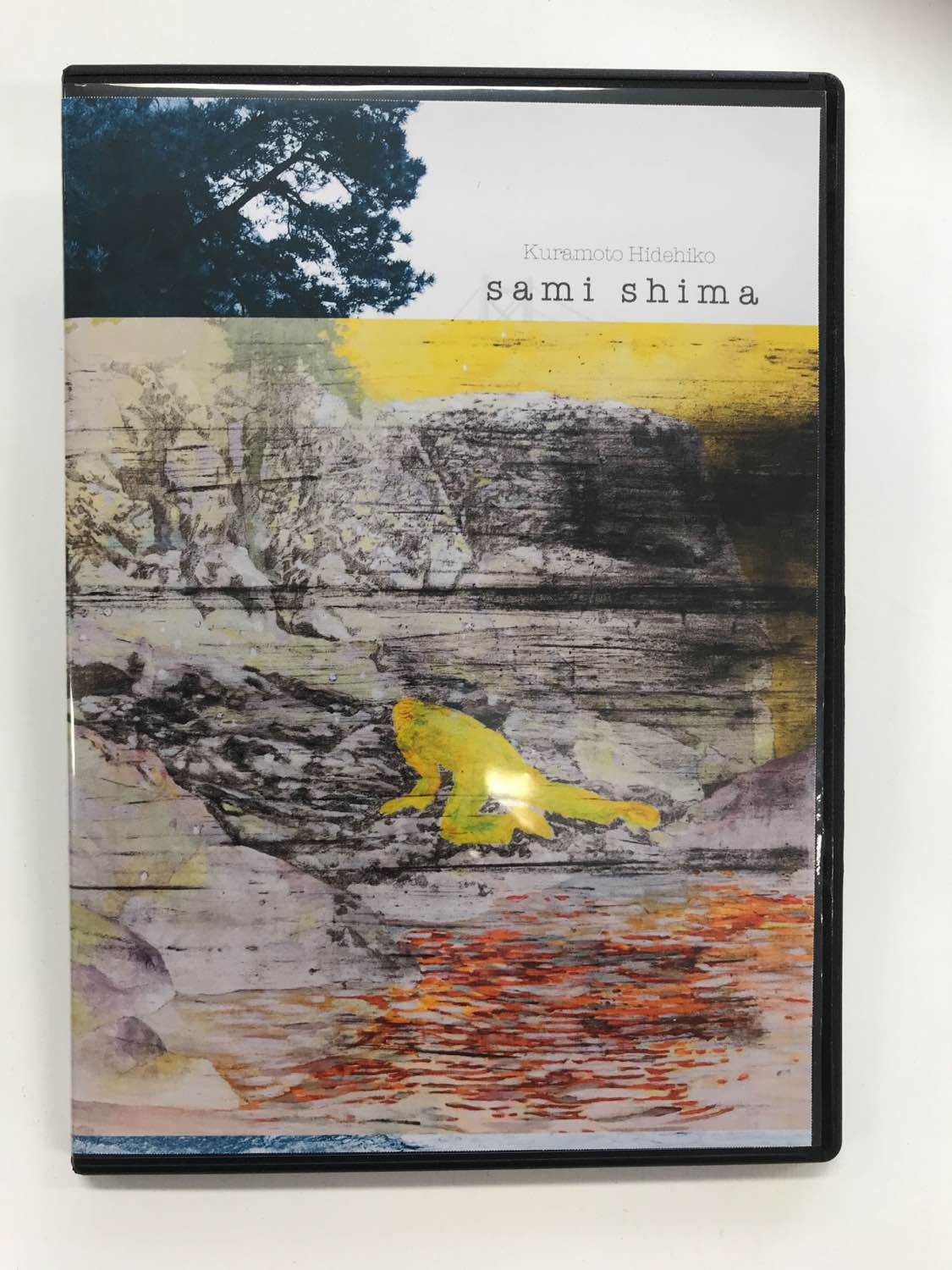

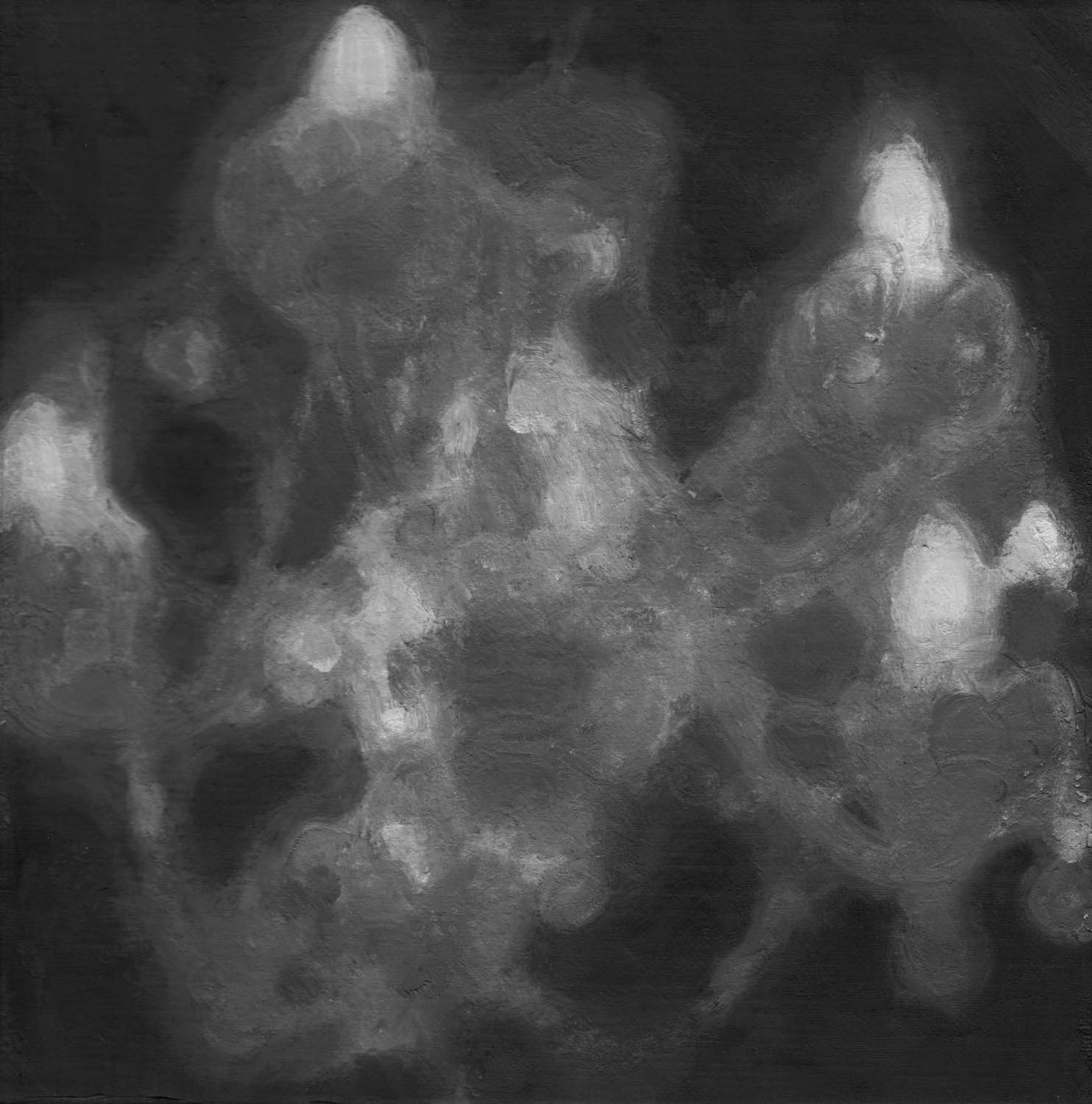
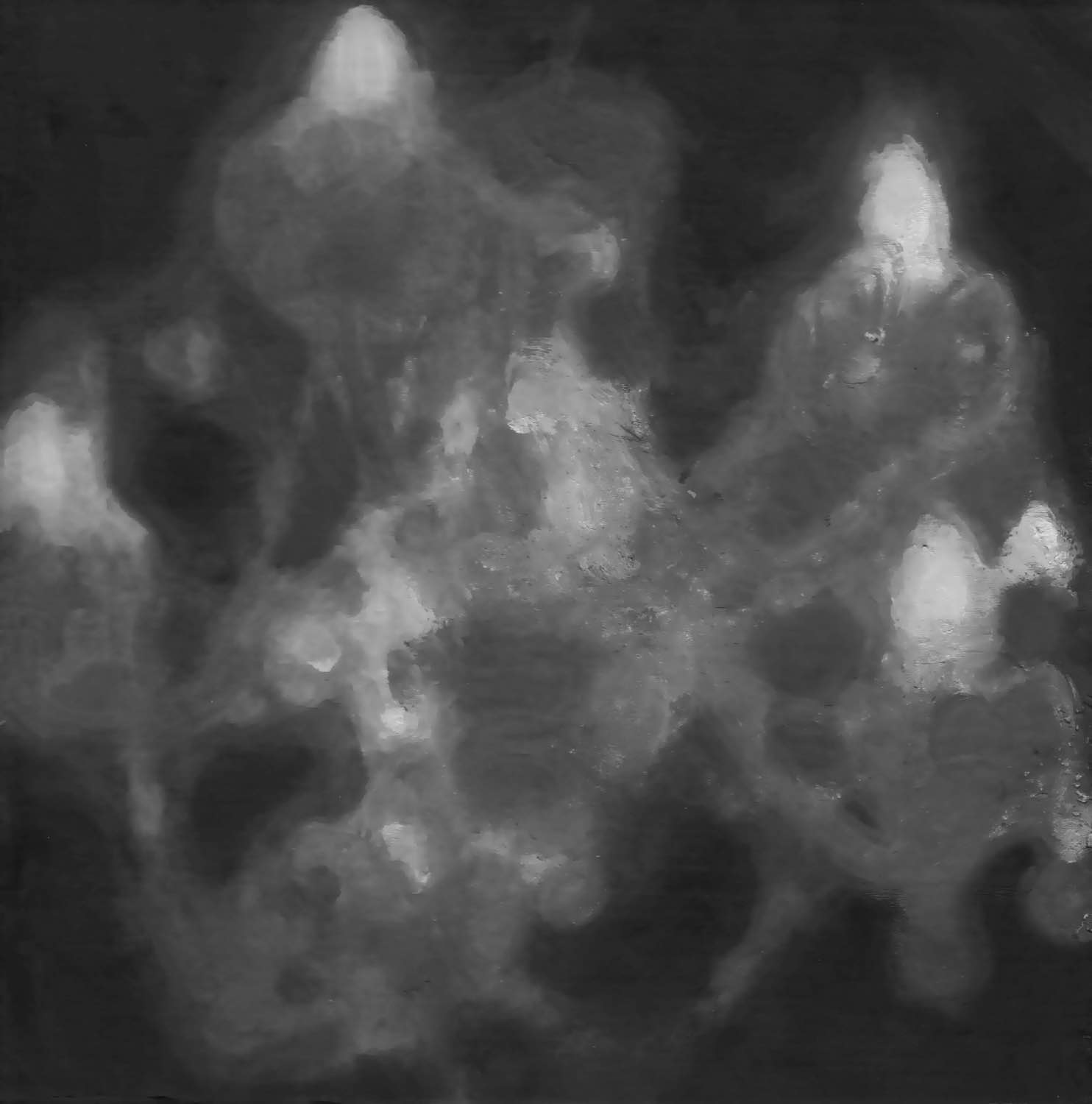
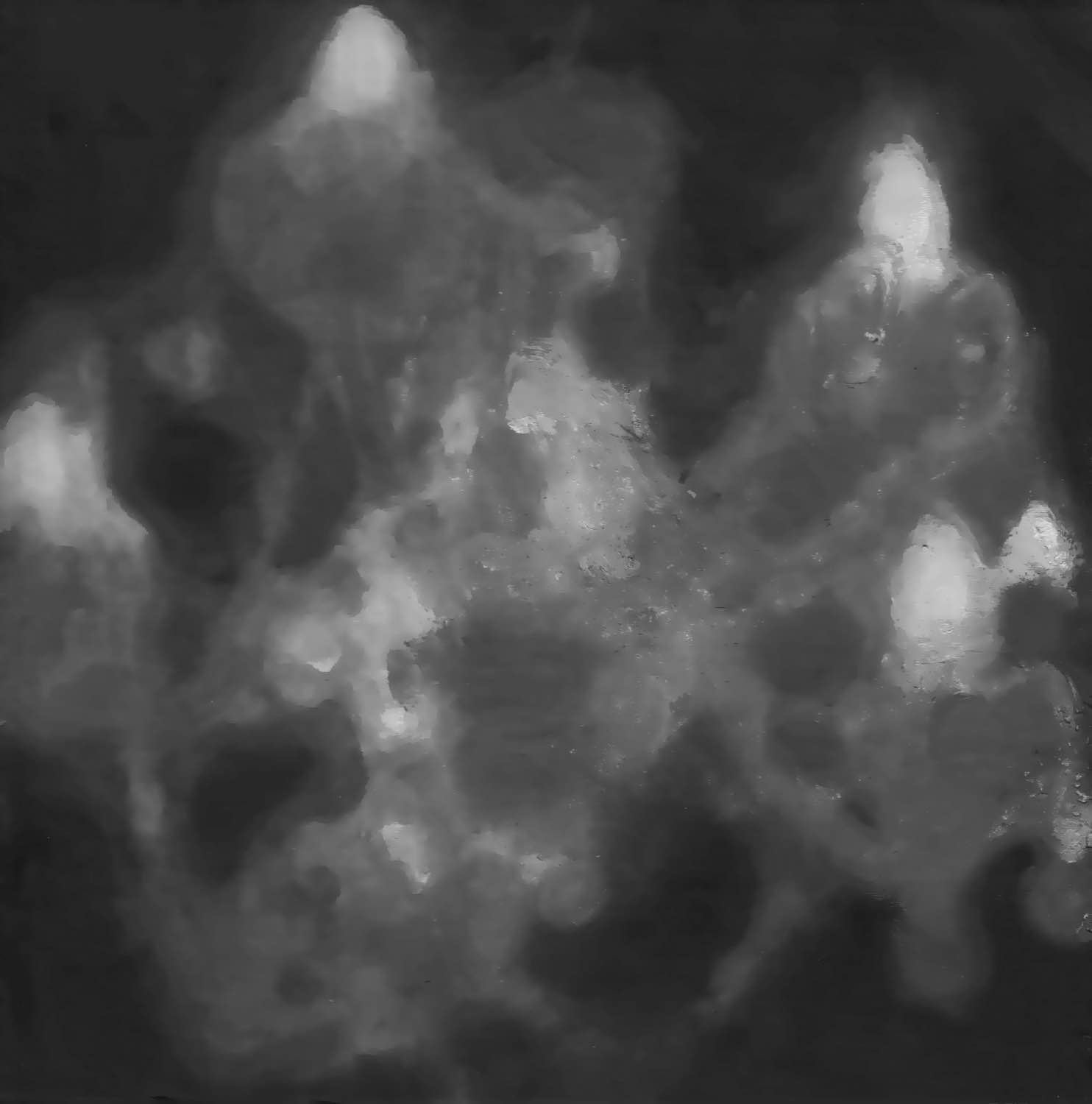
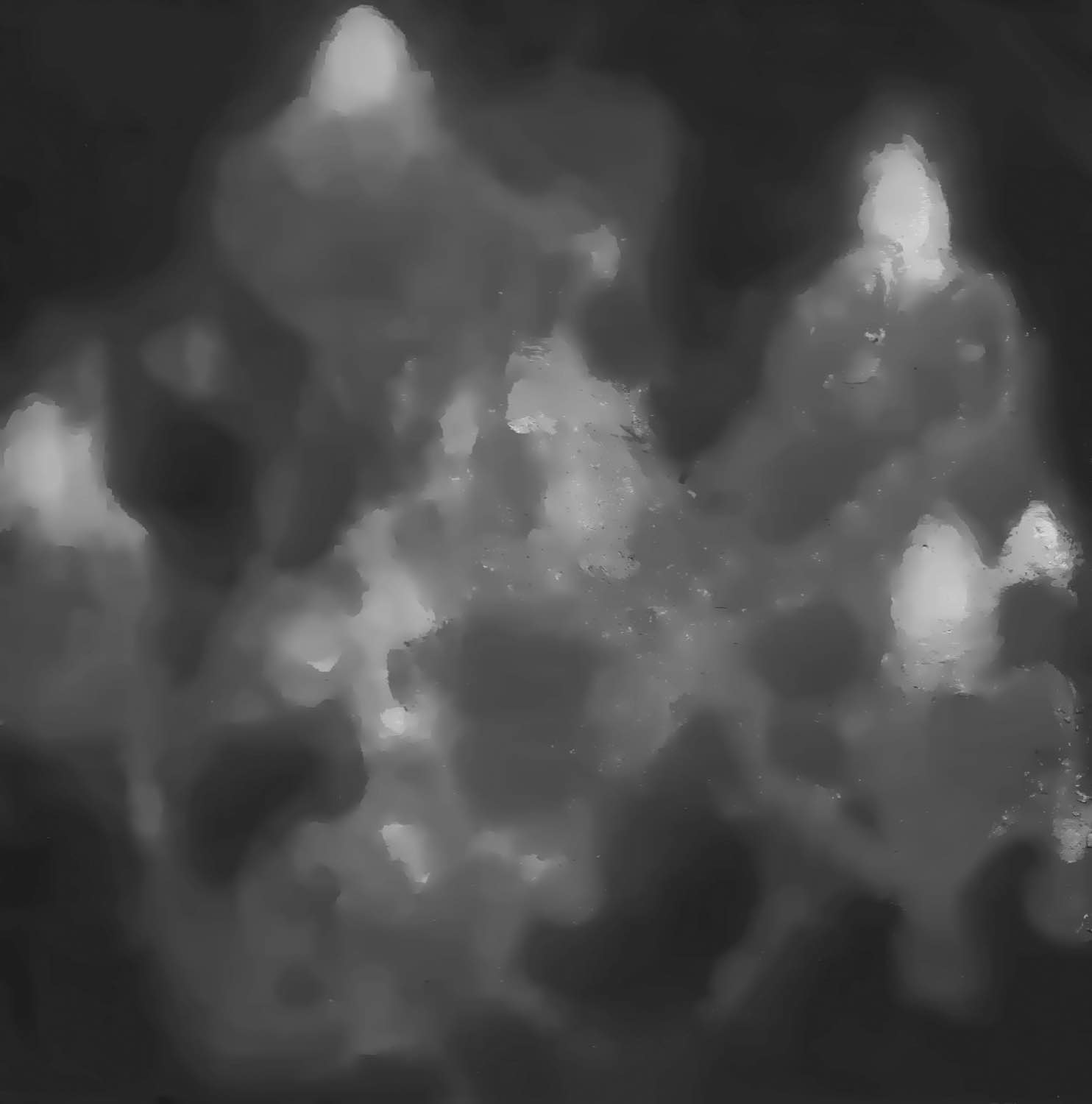














KURAMOTO Hidehiko exhibition
-Chandelier-
Was your vague memory really your memory?
This re-creation is based on 10 paintings of chandeliers whose focus gradually blurs.
If you compare them side by side, you will notice subtle changes, but if you look at them one by one in different places, you will not notice the changes, and by the tenth one, the image will have become a fuzzy color surface. Isn't that how human memory works?
The memories of other senses may be more vivid than visual memories, or they may be memories that are intricately related to each other. Your own memories may have unknowingly changed into something else. It may have been replaced by a more beautiful and enjoyable event. That would be true. It would be unbearable for the psyche to continue to remember the death of a relative or a sad event as it is, as real as it is.
But we must not forget that there are people in the world who remain there and continue to live. We should always keep in our memory that there are people who were robbed of their homes and families, lived with clinging feelings, and are still praying for them.
Kuramoto Hidehiko