Hidehiko Kuramoto
May 6 - May 27, 2018
Wednesday-Saturday: 10: 00-18: 00
Sundays and holidays: 10: 00-17: 00
Last day of the exhibition: 10: 00-16: 00
Monday (closed), Tuesday (Open by appointment)
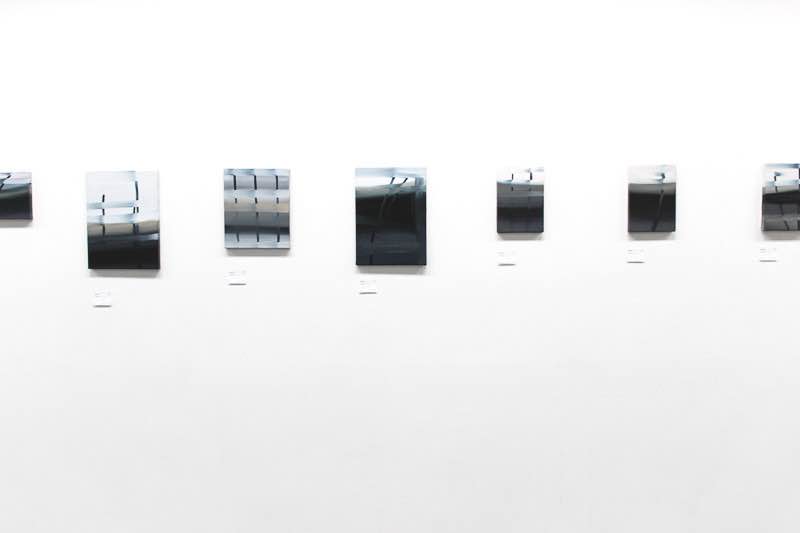
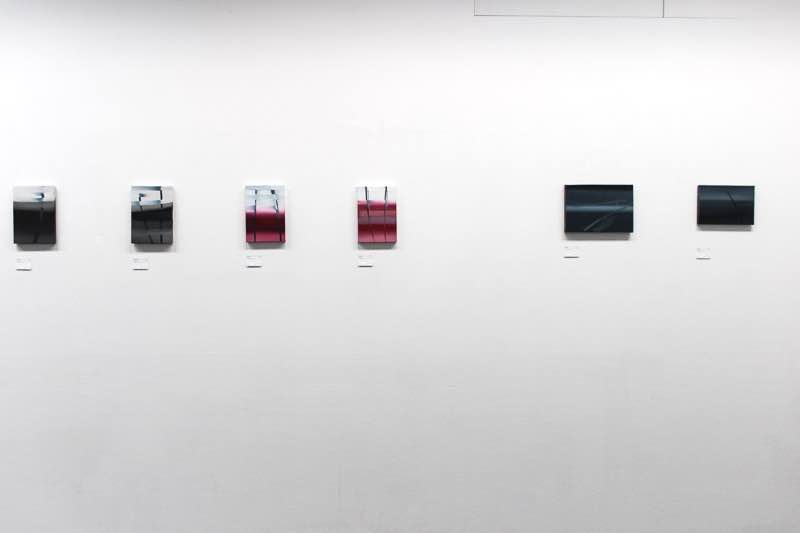
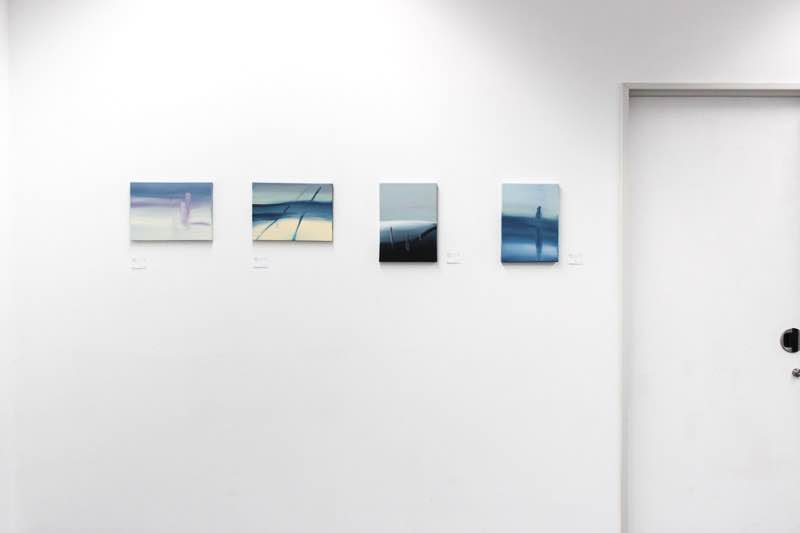
Exhibiting work : Oil painting ... abt. 20 pcs
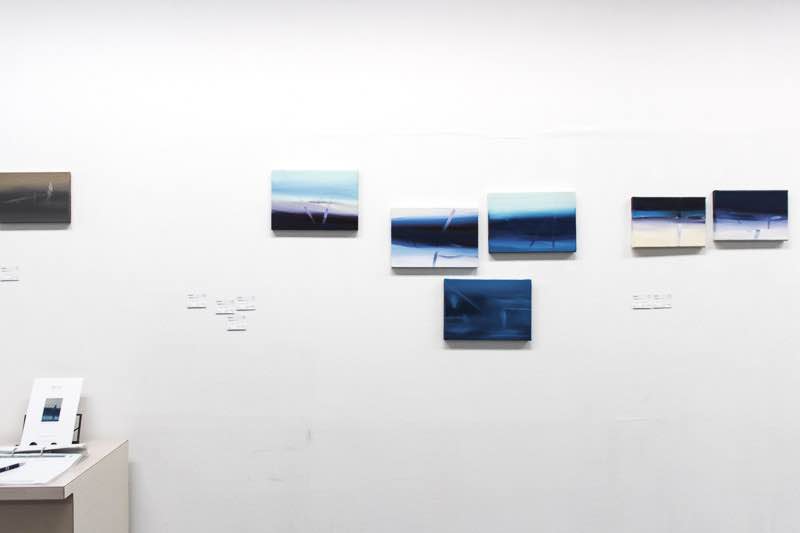
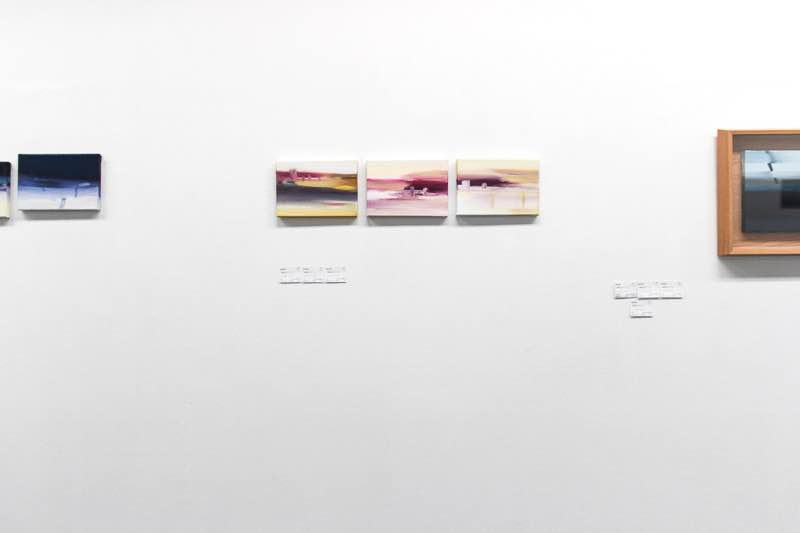
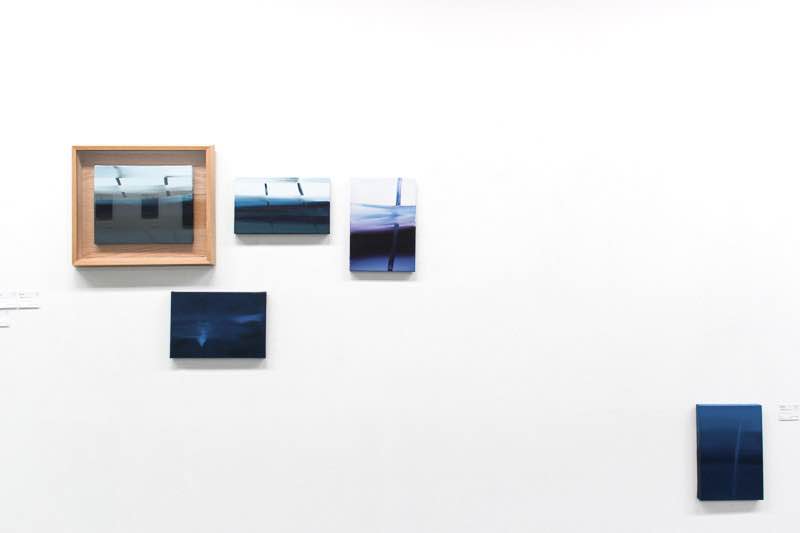
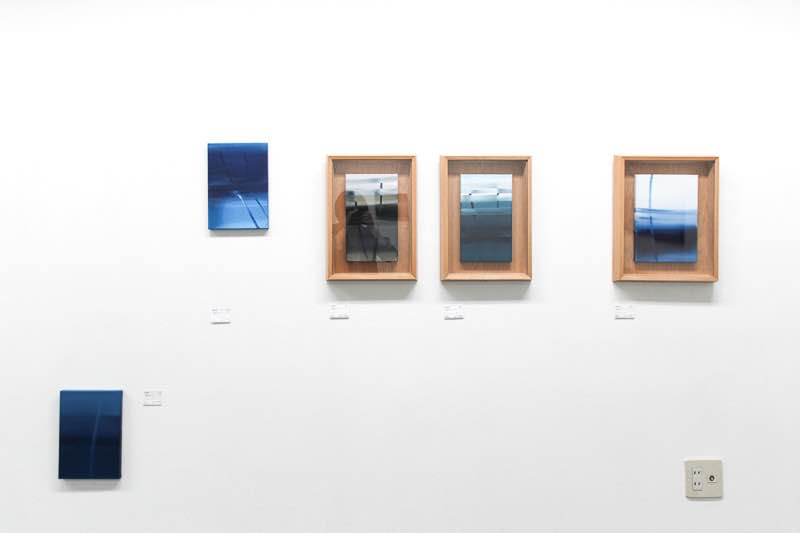
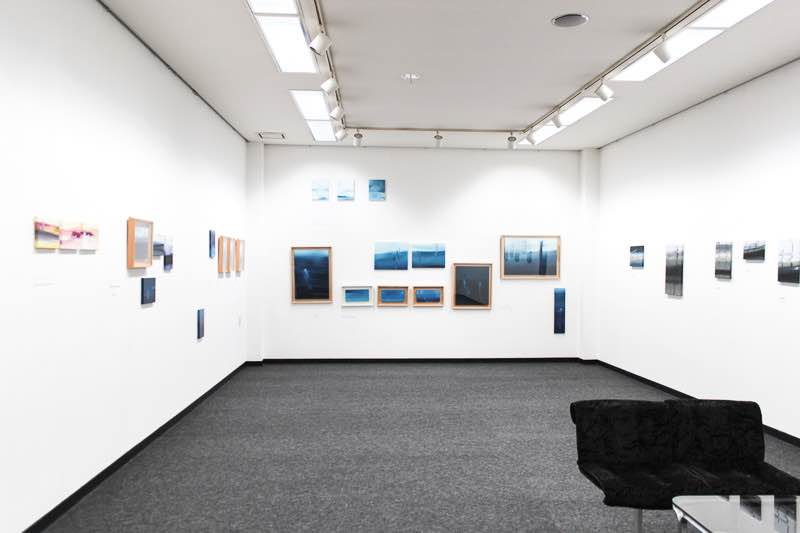
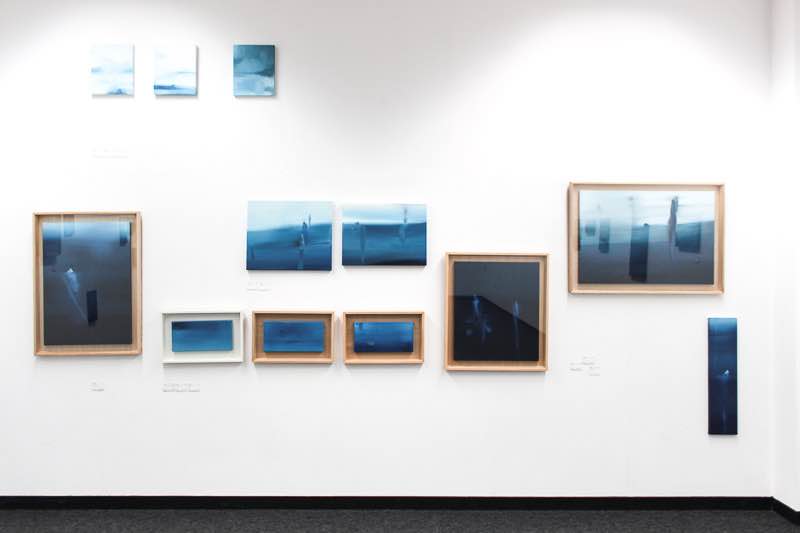
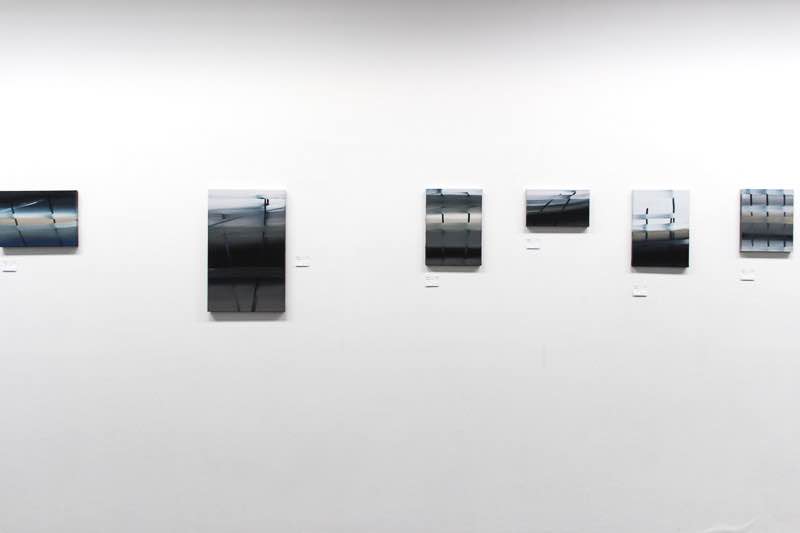
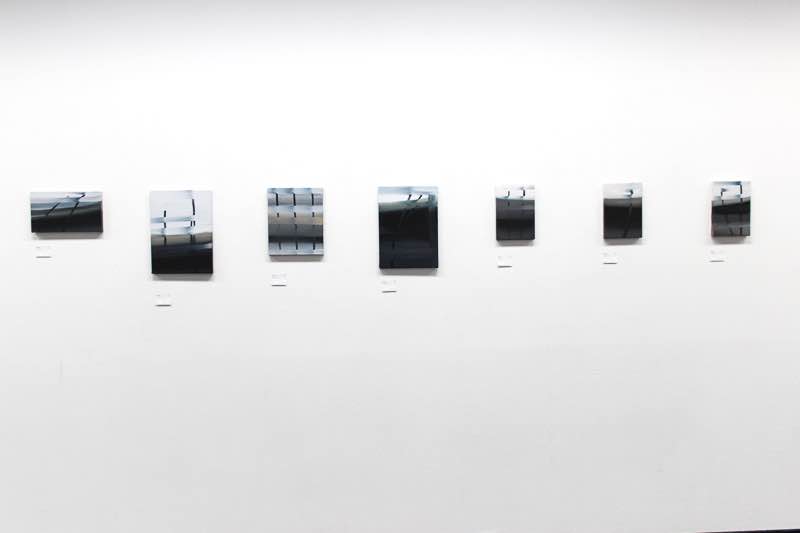
Opening Dialogue Talk "Eyelids and the Sea"
Date : May 6 14: 00-15: 30 Venuee : Artland Gallery Participation fee : free No application required
Guest : Kagawa Museum Taguchi Keita Artist : Kubomoto Hidehiko
■ Recording dialogue and its scenery
In the first part of the dialogue, Mr. Hidehiko Kuramoto will talk about his recent activity history using slides. In the second part, we will have a dialogue with Mr. Kuramoto with Mr. Keita Taguchi of the Kagawa Museum as a guest. For this dialogue, please refer to the photo and audio of the dialogue in the "News / Events" section at a later date.


On the Occasion of the Solo Exhibition
Keita Taguchi, Kagawa Museum
It seemed to me that the artist was capturing, through his own field of vision, the phenomenon of fluctuations in which water and atmosphere, unable to coexist, struggle against one another. These fluctuations are, in a sense, like breathing itself—the very breath of all living things.
There is a sense of unease and frustration at being unable to see the truth behind the phenomena unfolding before our eyes. Beyond this lies the presence of shadows, faintly emerging in the light, and emotions that threaten to burst forth in the space between reality and illusion. Neither regret for the past nor hope for the future, truth comes crashing down upon us like a great swell. Unable to resist its overwhelming weight, we can only surrender ourselves to it. The sense of emptiness left by the passing wind is immeasurable, and sorrow is not permitted to heal. How, then, must we confront the past? The artist's thoughts are deeply intertwined with the present conditions of Fukushima and the many other disaster-stricken areas that continue to waver to this day.
Perhaps these works are like a pictorial diary recording the artist's present feelings in response to the question of how contemporary artists should confront this reality. I felt that Kuramoto's works in this exhibition convey a sensation of withdrawing inward, sinking deeply into the far reaches of one's own consciousness without saying too much. Many of the smaller works, in particular, possess a remarkable sense of purity. It seems to me that the small surfaces, which restrict our field of vision, are precisely where taut emotions and a heightened sense of tension reside.
The “truth” bestowed upon us will become a distant memory of the past, seep into Prussian blue, and reappear as an illusion that our future will be compelled to bear. In an experiential sense, there is a negative legacy, and we must expand the principles for living that this legacy imposes upon us. In today's art world, where unfamiliar visual experiences repeatedly assert and unsettle, where the breakdown of individuality leaves only the exchange of ambiguous information at the forefront, and where modes of expression continue to grow ever more inflated, perhaps what is required is to project into our consciousness a new vision that keeps its gaze fixed upon the “truth,” and to make that vision visible within our brain cells.
