Kamei Yoichiro Exhibition
Dates: January 8 (Sat) - 30 (Sun), 2011
10:00 a.m. - 6:30 p.m.
Tuesdays (open by appointment), closed Wednesdays
Venue/Artland Gallery
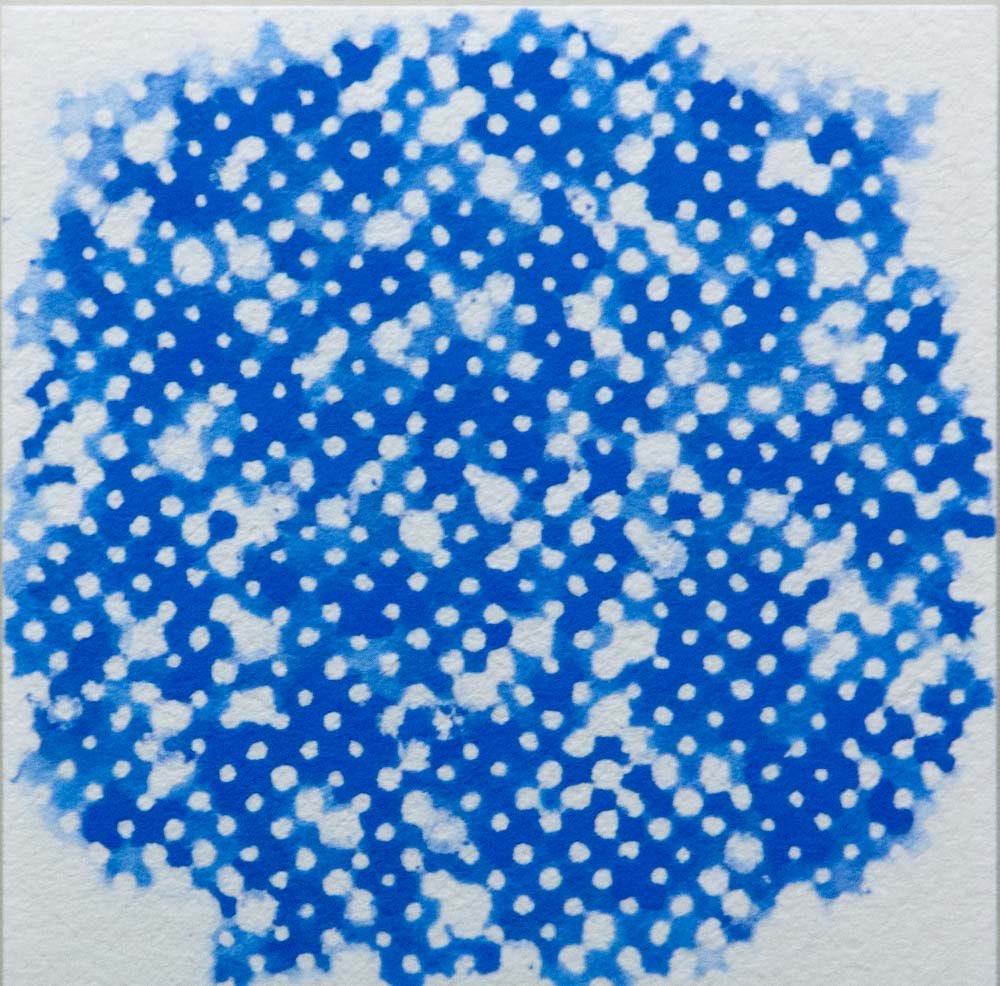
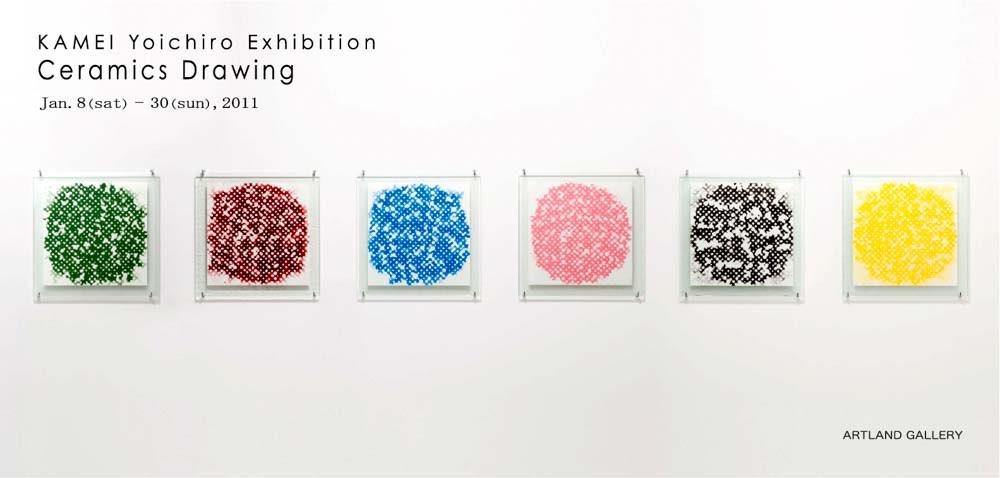
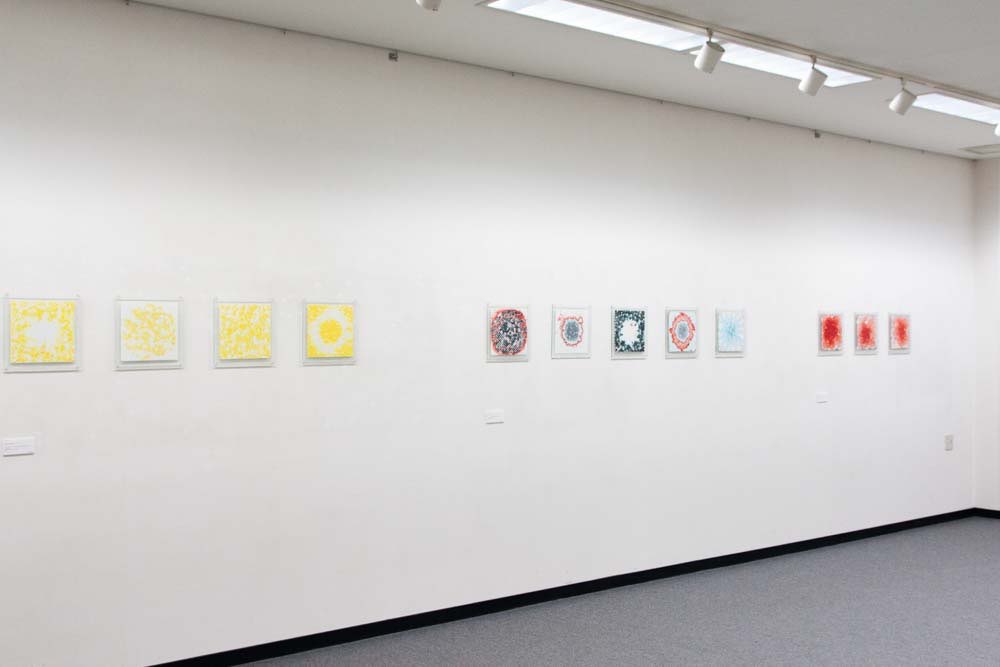
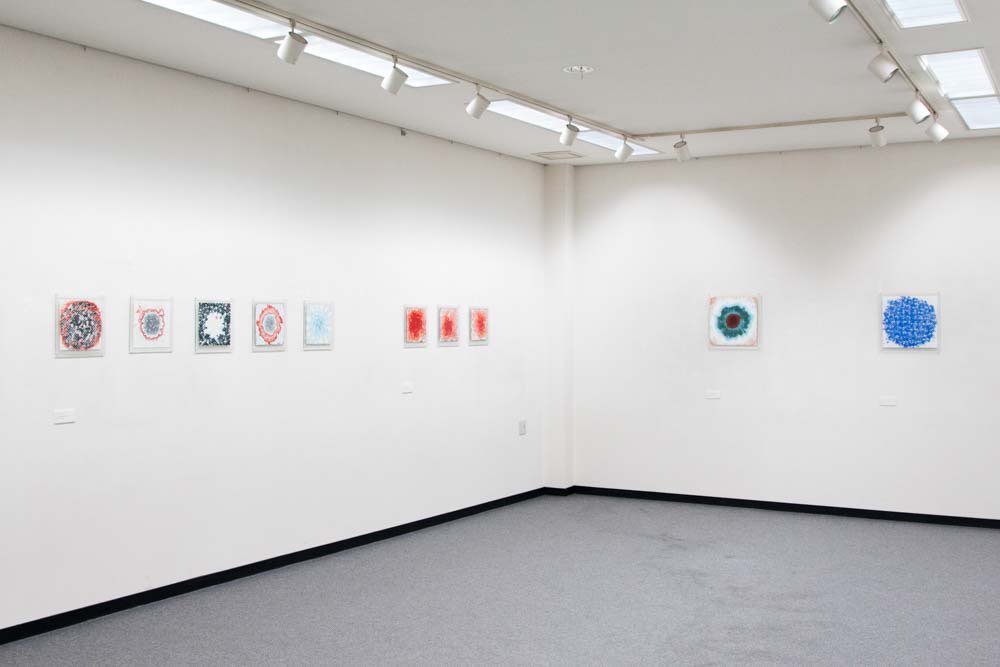
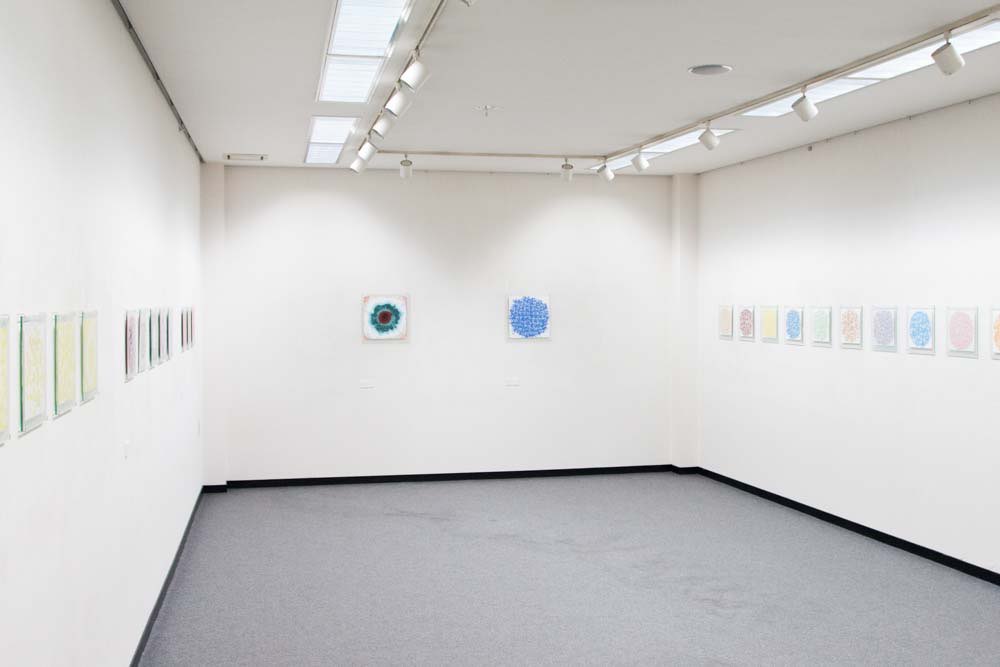
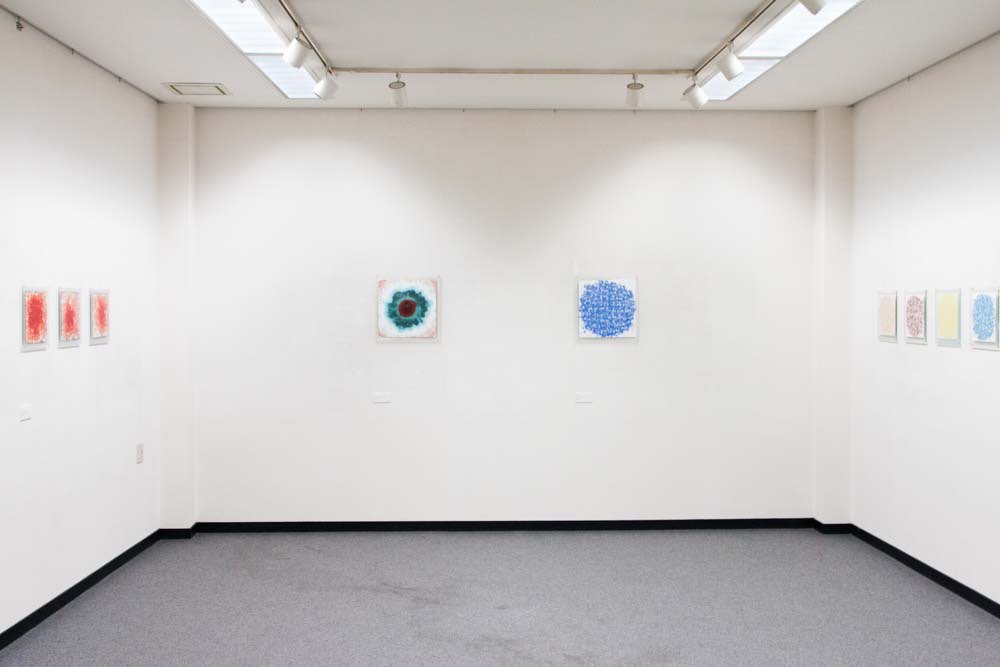
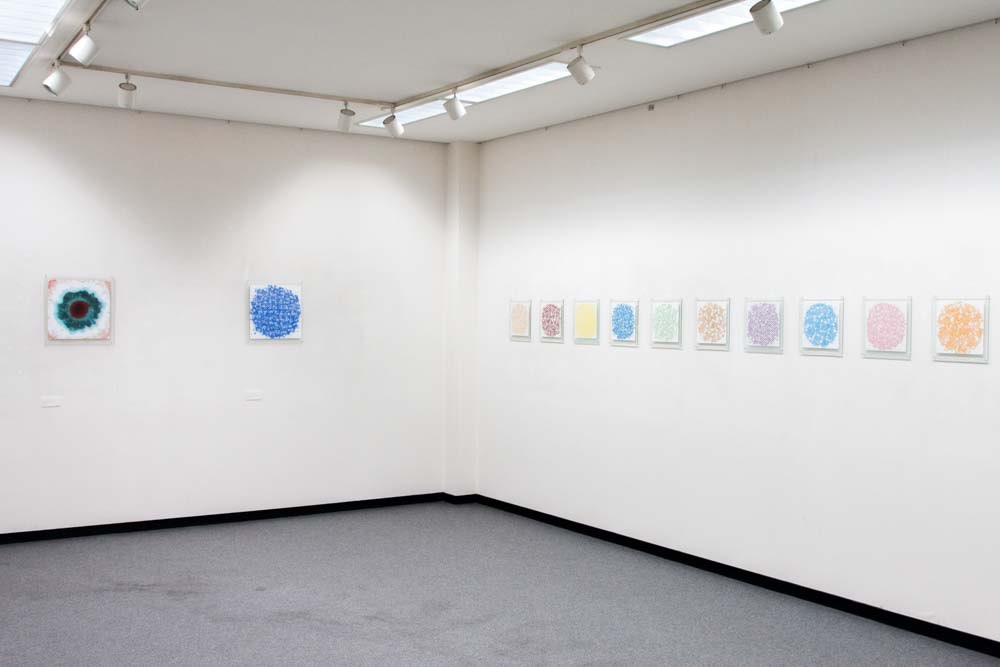
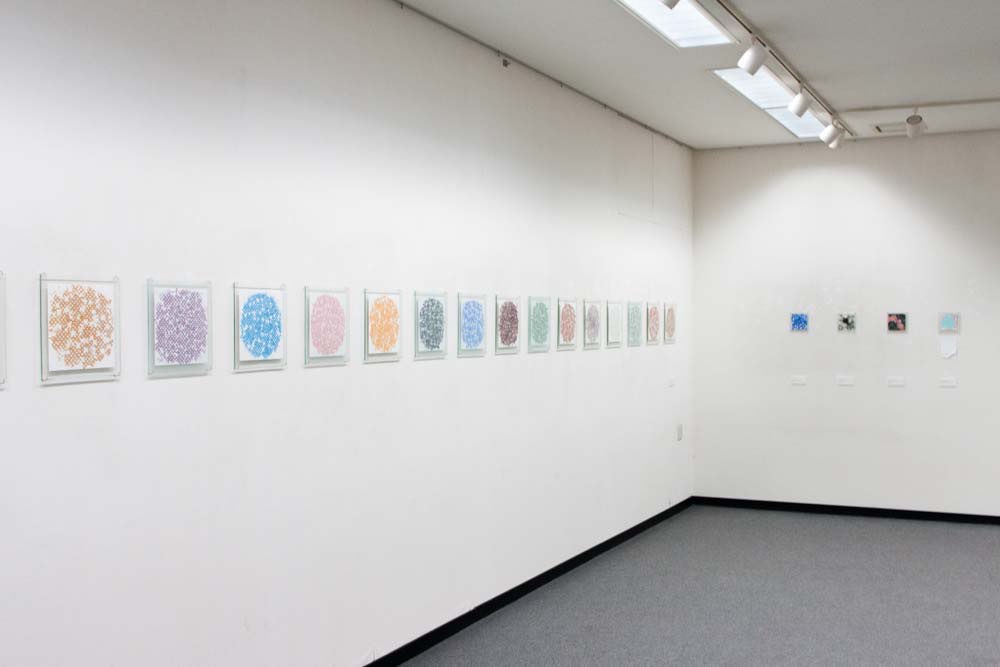
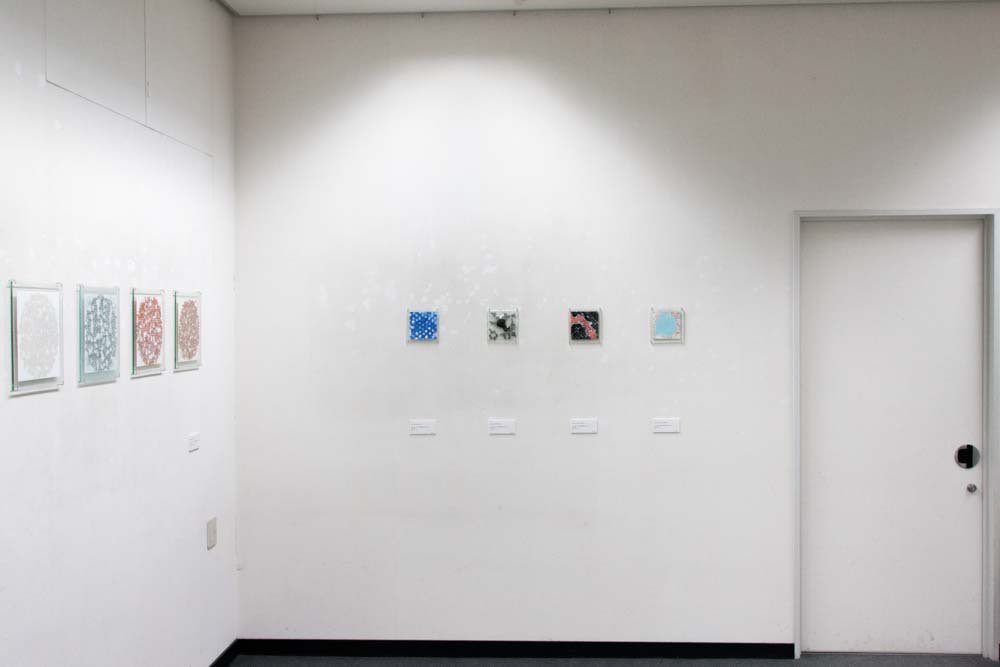
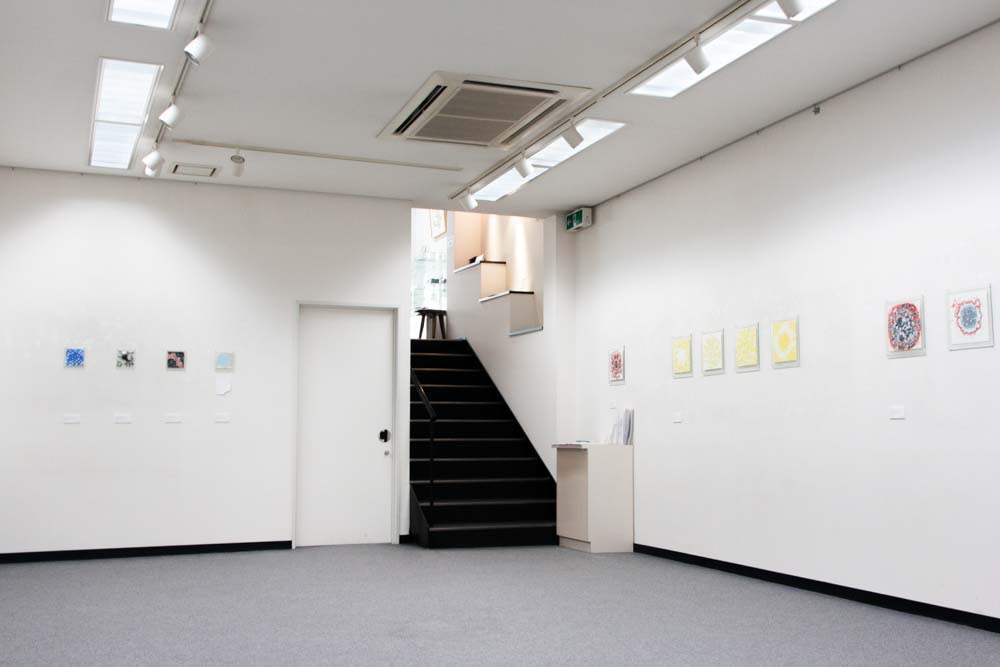
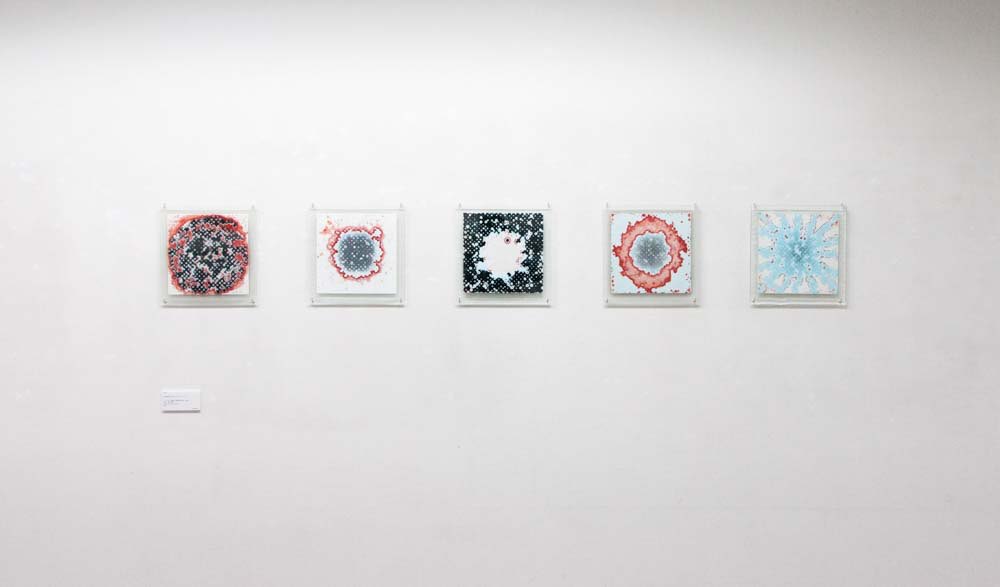
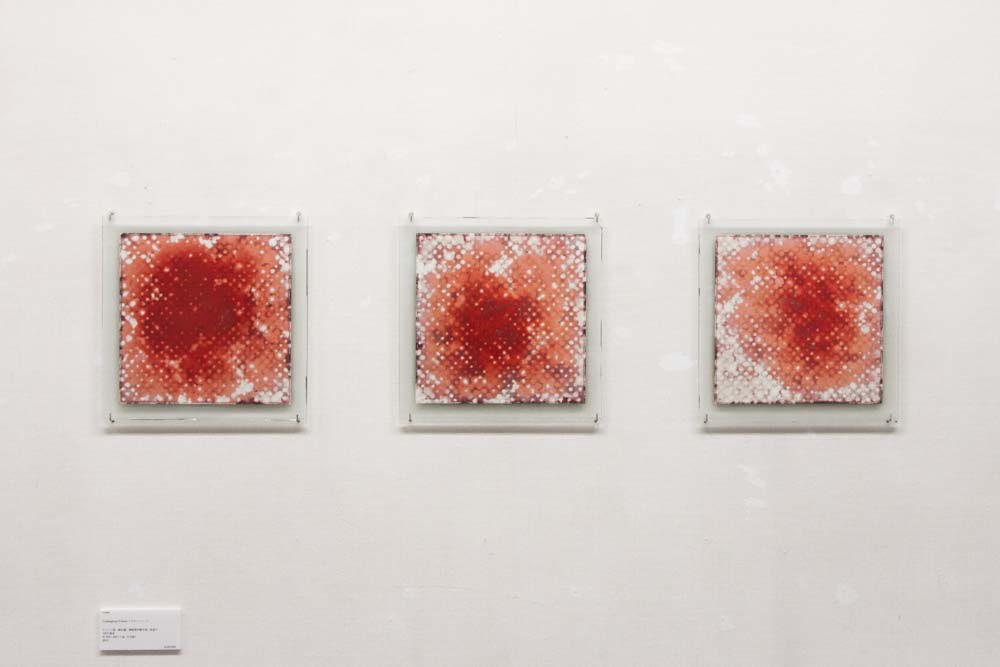
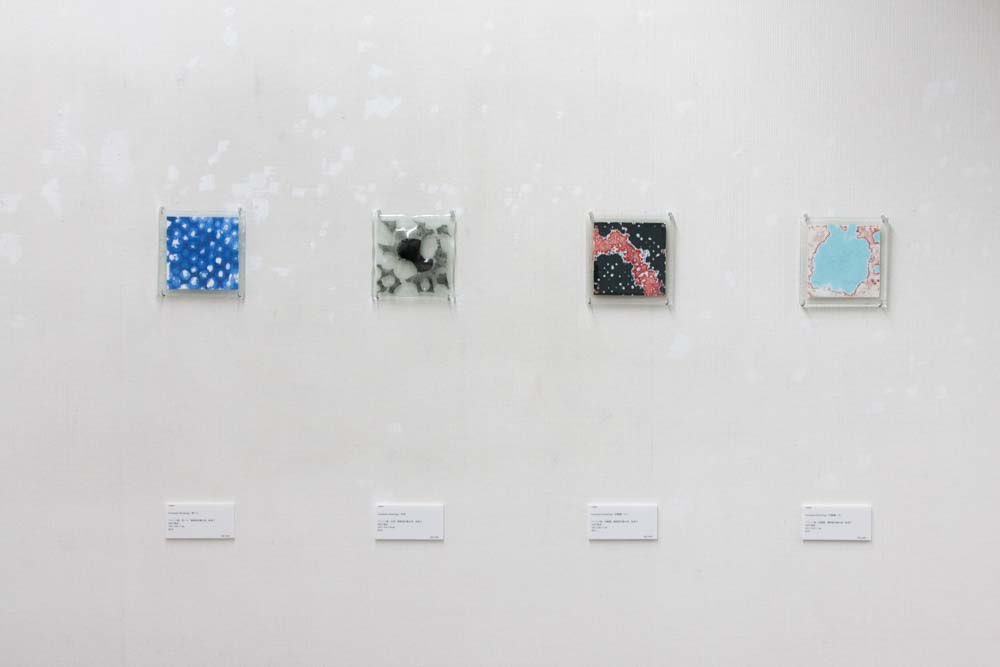
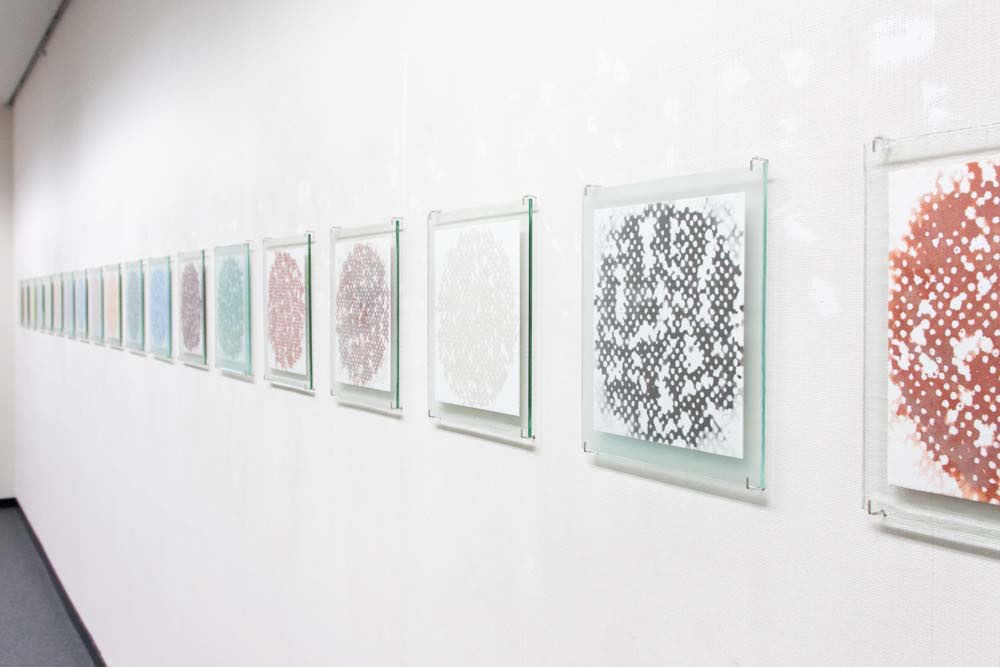
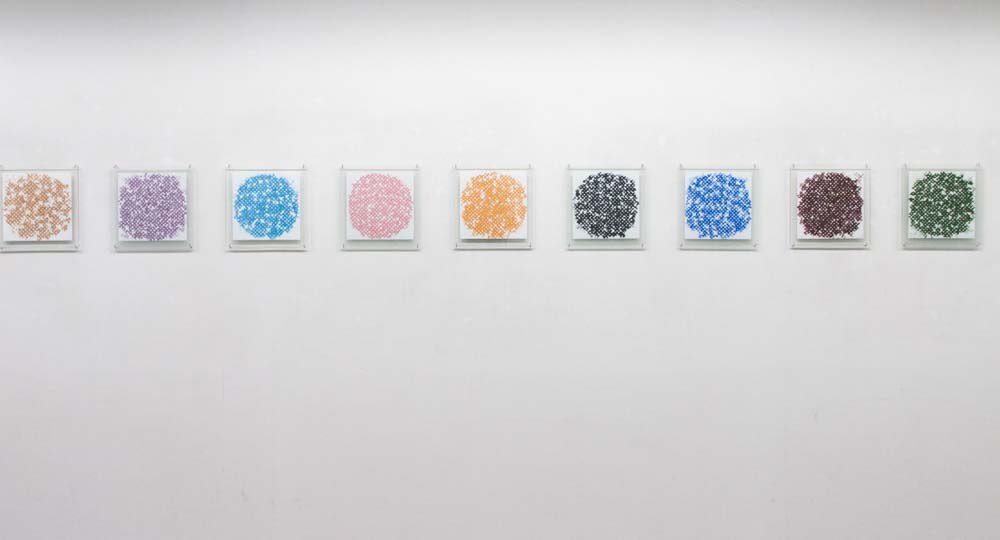
The exhibition will feature approximately 40 new drawings made by thermally fusing images drawn with ceramic materials such as ceramic pigments and alumina paper, sandwiched between sheets of glass.
Press Release
Artland Gallery is pleased to announce a solo exhibition of works by Yoichiro Kamei, known for his series of lattice structures made of porcelain. This exhibition will feature ceramic drawings that represent a new development in figurative expression using porcelain. Kamei was born in Kagawa Prefecture in 1974, and since August 2010, he has been developing new production activities based in the Yodo studio (Kyoto City), which is a joint studio of seven artists.
Kamei's work to date can be summed up as a search and exploration of the new specificities and possibilities of form inherent in the technique of "pottery" through the creation of artworks.
He first encountered pottery when he was a university student, and under direct instruction from the pioneers of avant-garde ceramics, he began his search for a new system of modeling using pottery. In his contemplation of the history of pottery, in which various techniques of expression have been developed, he found the relationship between "pottery" and "vessels" as the starting point of his figurative conception. Because of the firing requirement of pottery, there is a limit to the massiveness of the material, and hollow or thin plate-like forms are necessary. Kamei reviewed his own production techniques from the viewpoint that the hollow nature of the vessel is the basic structure underlying pottery modeling, and developed a new system for modeling new structures.
The first modeling system Kamei developed was a lattice structure consisting of several hundred hollow cubes (lattices) with six sides drilled into them, using translucent porcelain with exquisite formability as the material and adopting the mud-group casting technique to account for shrinkage and deformation during drying and firing. The lattice itself is a vessel, and the whole is a vessel with an interior space divided into lattice-like sections. The fact that this structure reminds us of the essence of the form of pottery is nothing but the development of new expressive possibilities derived from the relationship between "pottery" and "vessel".
The lattice structure (Lattice Receptacle Series) exhibited in Yoichiro Kamei's 2008 exhibition was a receptacle for light, with the gradation of shadows created in the interior space by the incoming light as the main element of expression. In this receptacle, light is blocked out by not gouging out part of the wall surface of the unit lattice, allowing the form of the internal arrangement of the lattice with the wall surface to emerge. This pyramidal screen, in which the presence of light is expressed by the structure of the interior space, represents another possibility derived from the relationship between "pottery" and "vessels," a relationship that Kamei has reached.
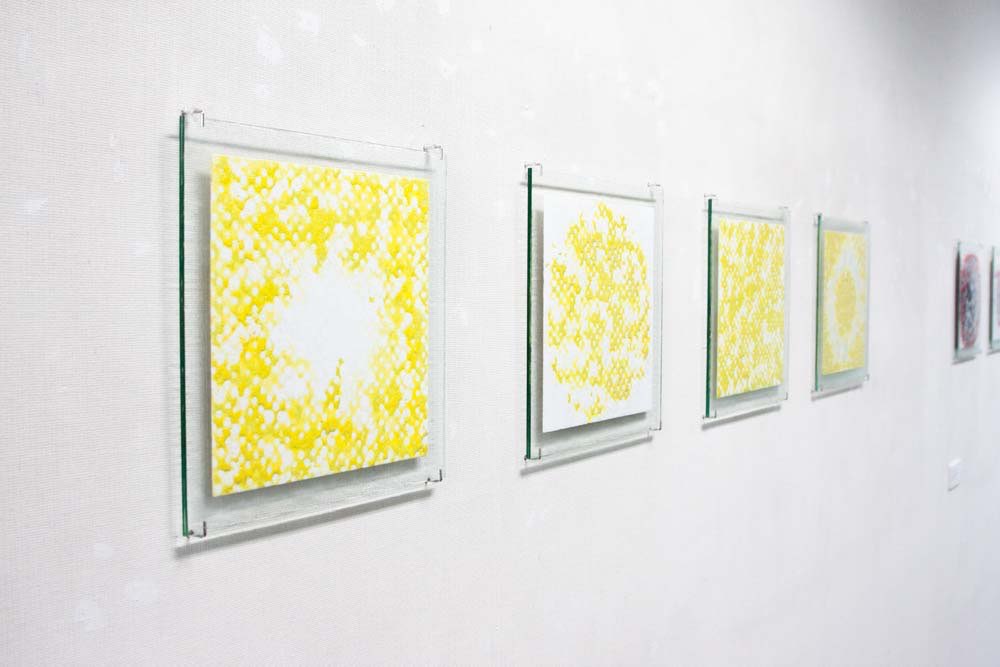
The ceramic drawings in this exhibition represent the development of a new dimension in the solidity and potential of pottery modeling. At first glance, the work looks like a painting, but it is made of glass, alumina paper, water-repellent material, and ceramic pigments fired in a kiln. For details of Kamei's system of modeling, please refer to the following commentary by Kamei himself. Another significance of this exhibition is that visitors will be able to see how the dramatic scene that evolved from "light receptor" to "ceramic drawing" was made possible, as they search for his unseen intentions.
(Text by Takashi Yamashita)
Kamei Yoichiro
1974 Born in Kagawa Prefecture /2001 Grand Prix at the Asahi Ceramic Art Exhibition /2006 Completed doctoral program at Kyoto City University of Arts /2010 Received Kyoto City New Artist Award and Kagawa Prefecture Culture and Arts New Artist Award /2014 Exhibited at Jakarta Contemporary Ceramic Biennale (National Museum of Indonesia) /2016 Featured in Crafts Today at Kikuchi Kanjitsu Memorial Museum /2017 Exhibitions at Crosspoint (Kagawa Prefectural Museum) and Narrative Substance (Takamatsu City Museum of Art) /Present: Residing in Okinawa Prefecture
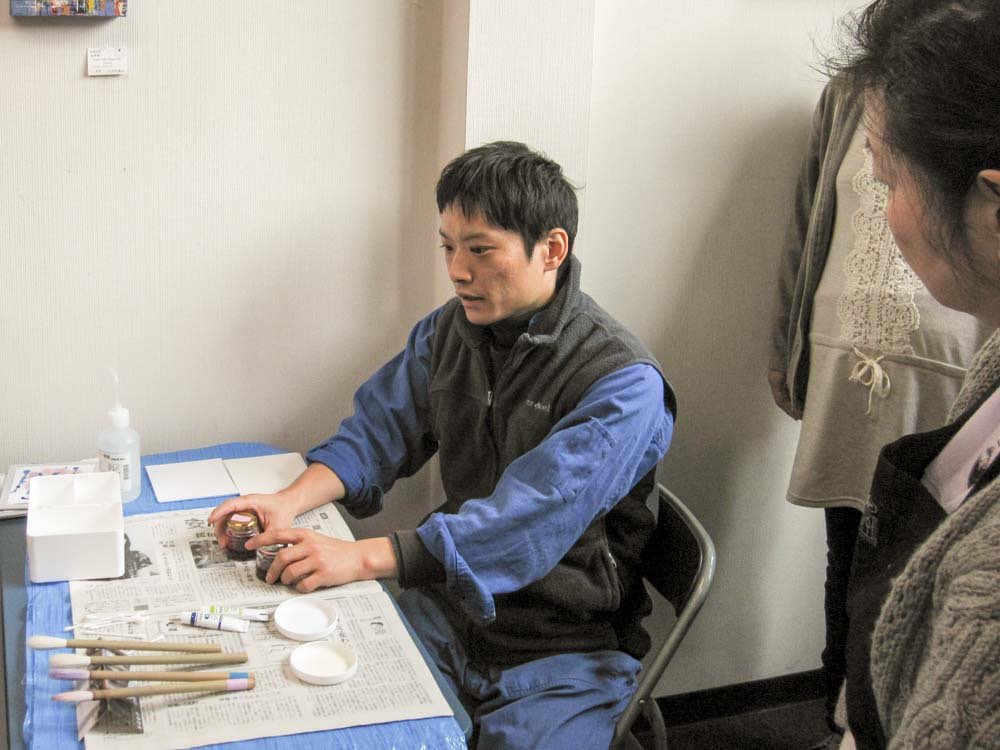
Workshop: Drawing with pottery materials!
■ Date & Time: January 9 (Sun) 2:00 p.m.
■ Venue: Artland Gallery TEL 0877-24-0927
■ Fee: 2,000 yen (including materials)
Experience the excitement and fun of drawing with Kamei's original technique using a water repellent for pottery!
Please register in advance at the venue.
"Ceramics Drawing" by Yoichiro Kamei
This solo exhibition at Artland Gallery is titled "Ceramics Drawing" and will feature works using ceramic materials and sheet glass.
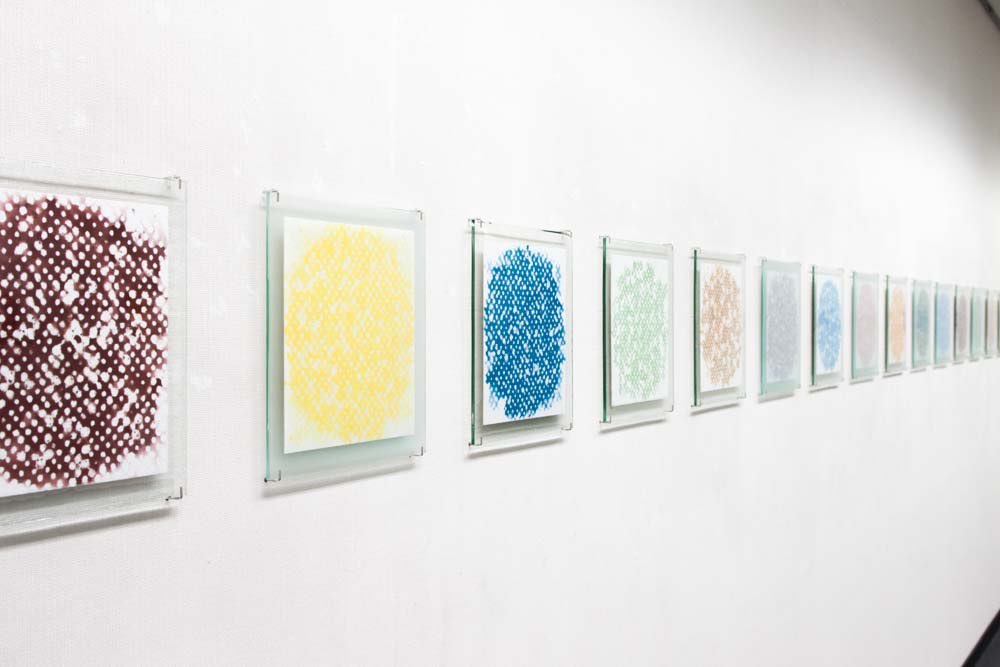
"Ceramics Drawing" is a series of two-dimensional works on alumina paper, a paper-like heat-resistant material, painted with ceramic pigments (heat-resistant colorant for ceramics) and water repellent for ceramics. The images on alumina paper are sandwiched between two sheets of sheet glass and fired at a high temperature of over 740 degrees Celsius.
These works were produced as an attempt to create a new form of expression in the form of pottery.i
The images on the canvas are created according to a system I have set up, utilizing accidental changes caused by the "blotting" and "water repellency" effects of the materials I use. The surface of the image, which is formed momentarily, is coated by thermal fusion of sheet glass during the firing process, preserving the image permanently inside the work.i
In this work, I wanted to briefly bring to the surface the colors and transformations of the material characteristics of ceramic materials, such as "what changes" and "what does not change," "what remains" and "what does not remain," which stand out after high-temperature heat treatment, by treating them as elements that compose the drawing surface. This awareness of flatness is a way to explore the basic structure of pottery from a different perspective from the conventional technical system.i
This exhibition will feature approximately 40 pieces, including a series of similarly shaped 20-color pieces and experimental pieces that incorporate transformation through firing. I hope you will enjoy the exhibition.