Born 2004 BFA in Textile Design, Kyoto Seika University, Kyoto 2024 A room in Brooklyn, Gallery 04, Osaka 2025 Ryuto, Seto and Setouchi, FabCafe Nagoya, Aichi 2025 Workshop, CONNECT Okayama Showroom 2022 KUKAI RECORD (Kukai 1250th Anniversary Project), Zentsuji City Hall, Kagawa 2022– Art Facilitator (Geijutsushi), NPO Archipelago, Japan SUGIURA Mariko
1981, Hyogo, JapanEducation
Selected Solo Exhibitions
2023 RECORDS and FOODS, sando sand stand, Kotohira
2022 Transformation +, Marugame
2021 Transformation, Marugame
2006 isolation: independence, STREET GALLERY, Kobe
2005 marikoaoki solo exhibition 2005, Gallery Space ○△□, Kyoto Selected Group Exhibitions
2025 Phantom Museum Shop, Okayama
2024 Phantom Museum Shop, Okayama
2023 Phantom Museum Shop, Okayama
2023 RECORD LOVER, ORAB RECORD, Okayama
2008 Chelsea International Fine Art Competition, Agora Gallery, New York
2006 The Shape of Men, The Shape of Women, Kyoto
2006 Survival Age, Osaka
2005 Diversity of Artists Exhibition, Osaka
2004 LOVE LETTER, Kyoto Projects & Workshops
2024 Workshop, Higashiyama Kaii Childrens Art Museum, Kagawa
2013– Craft and art workshops (adults and children), Kagawa
2013– Large-scale childrens art projects, Kagawa
2020– Paper art workshops, Kagawa Public Collections / Commissions
Professional Experience
Artist Statement
by SUGIURA Mariko
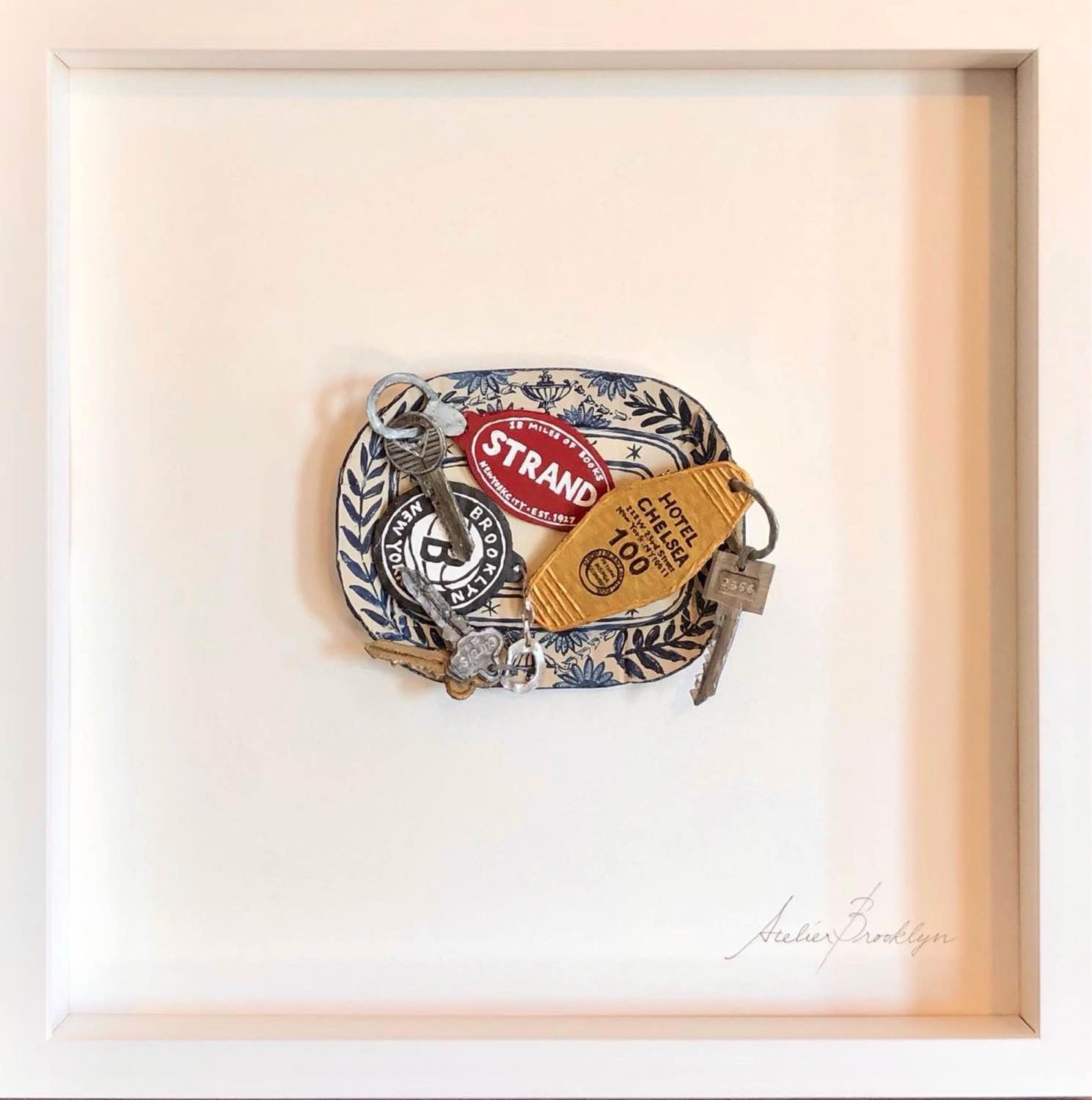
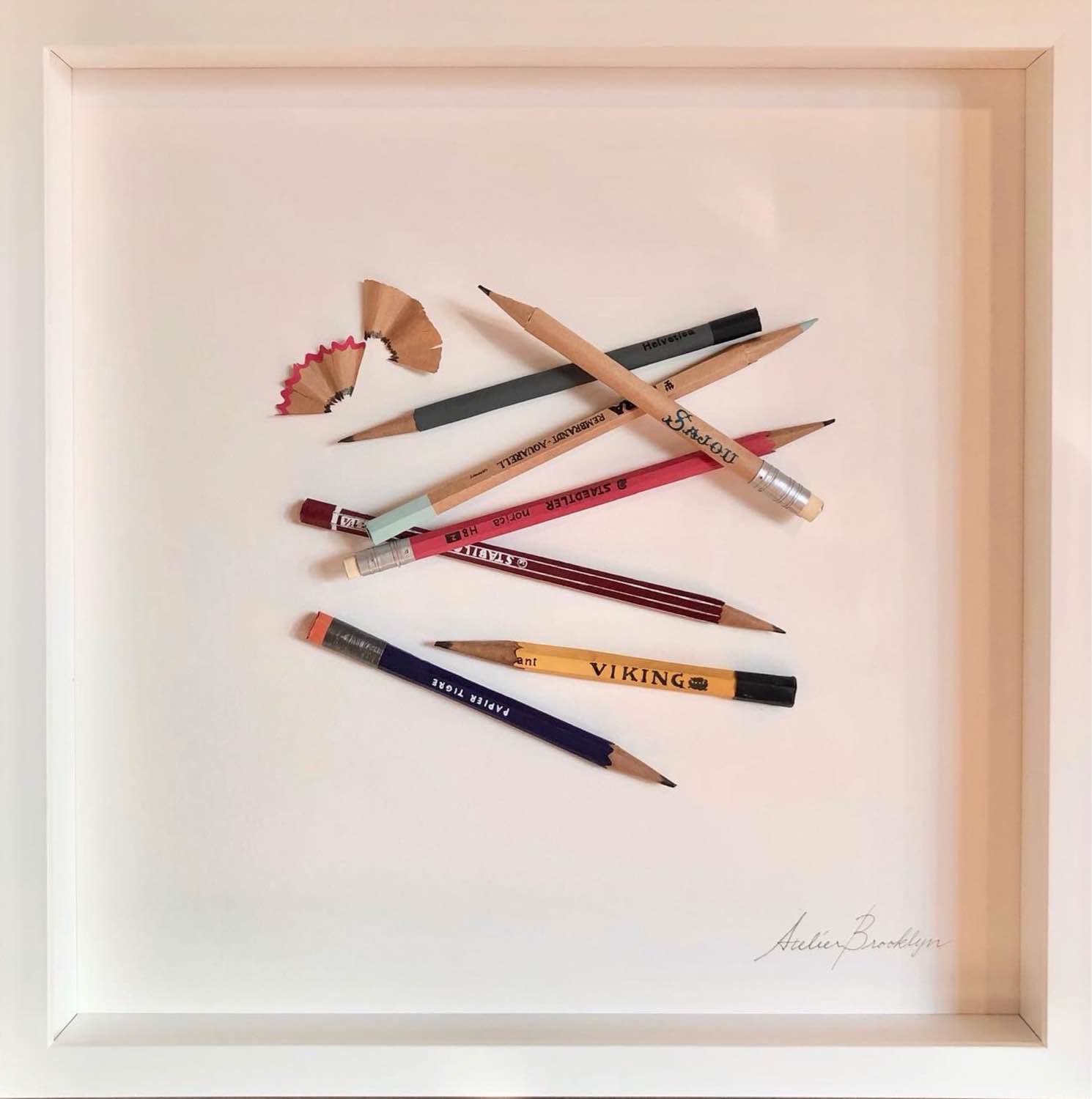
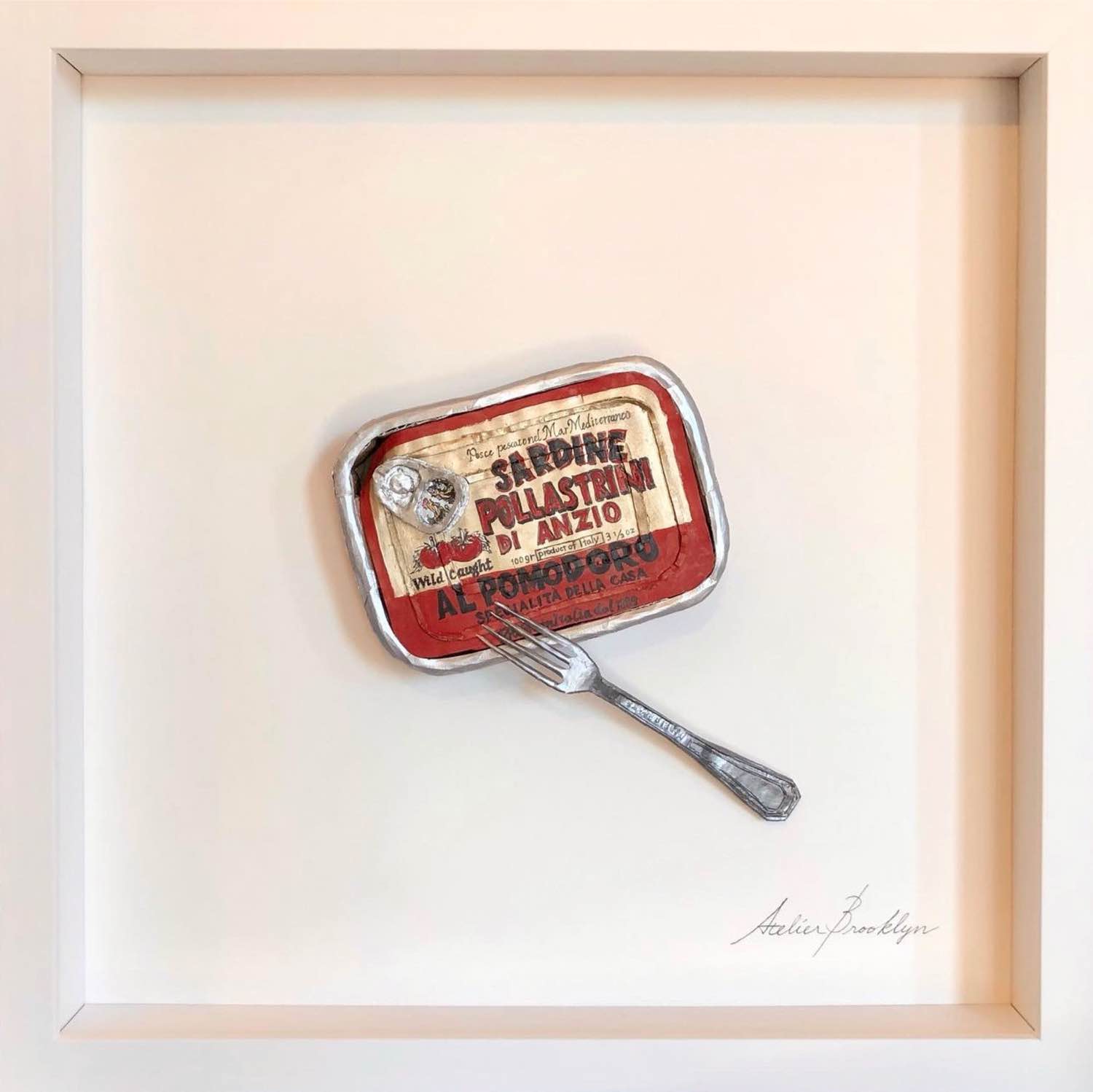
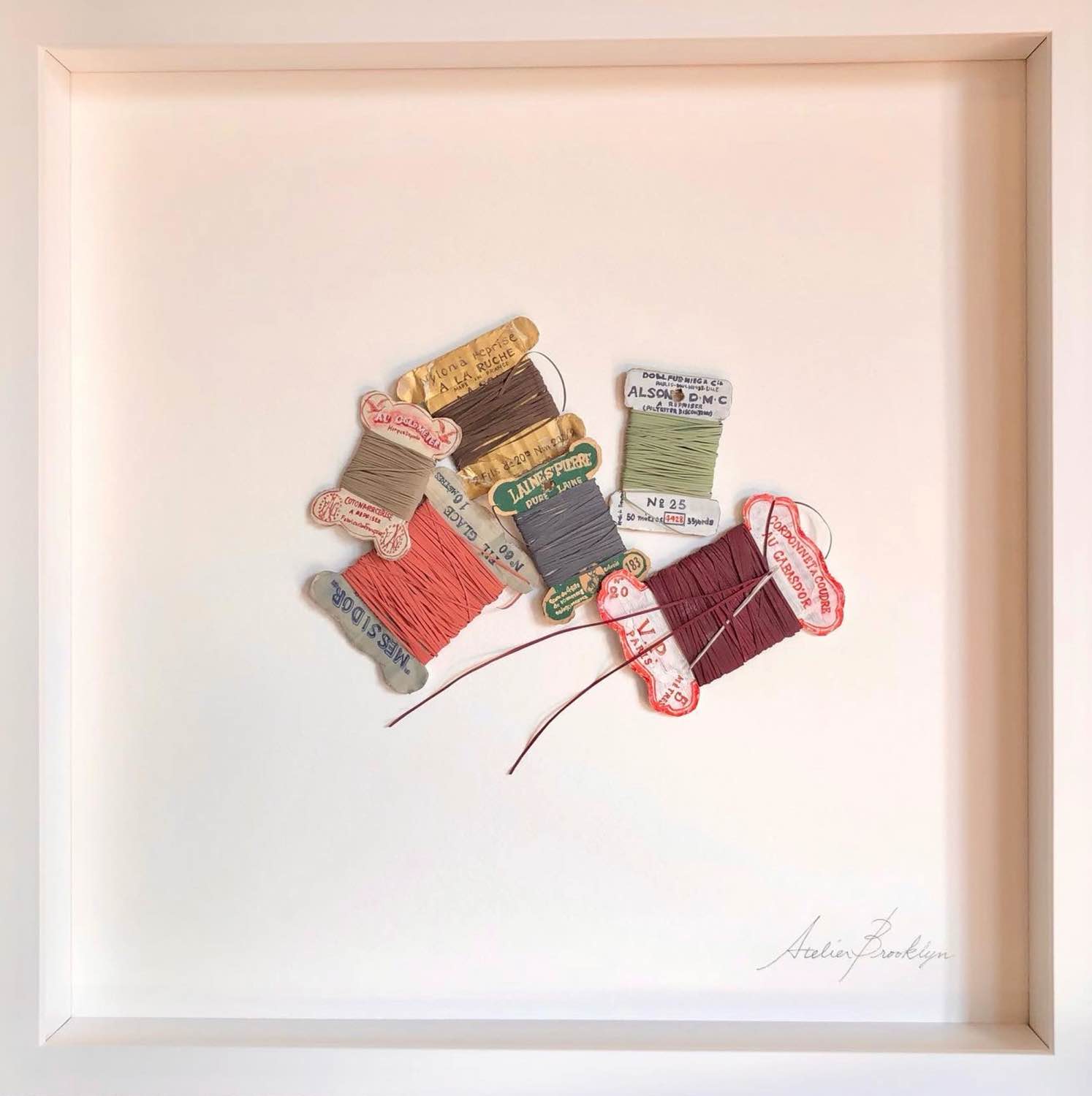
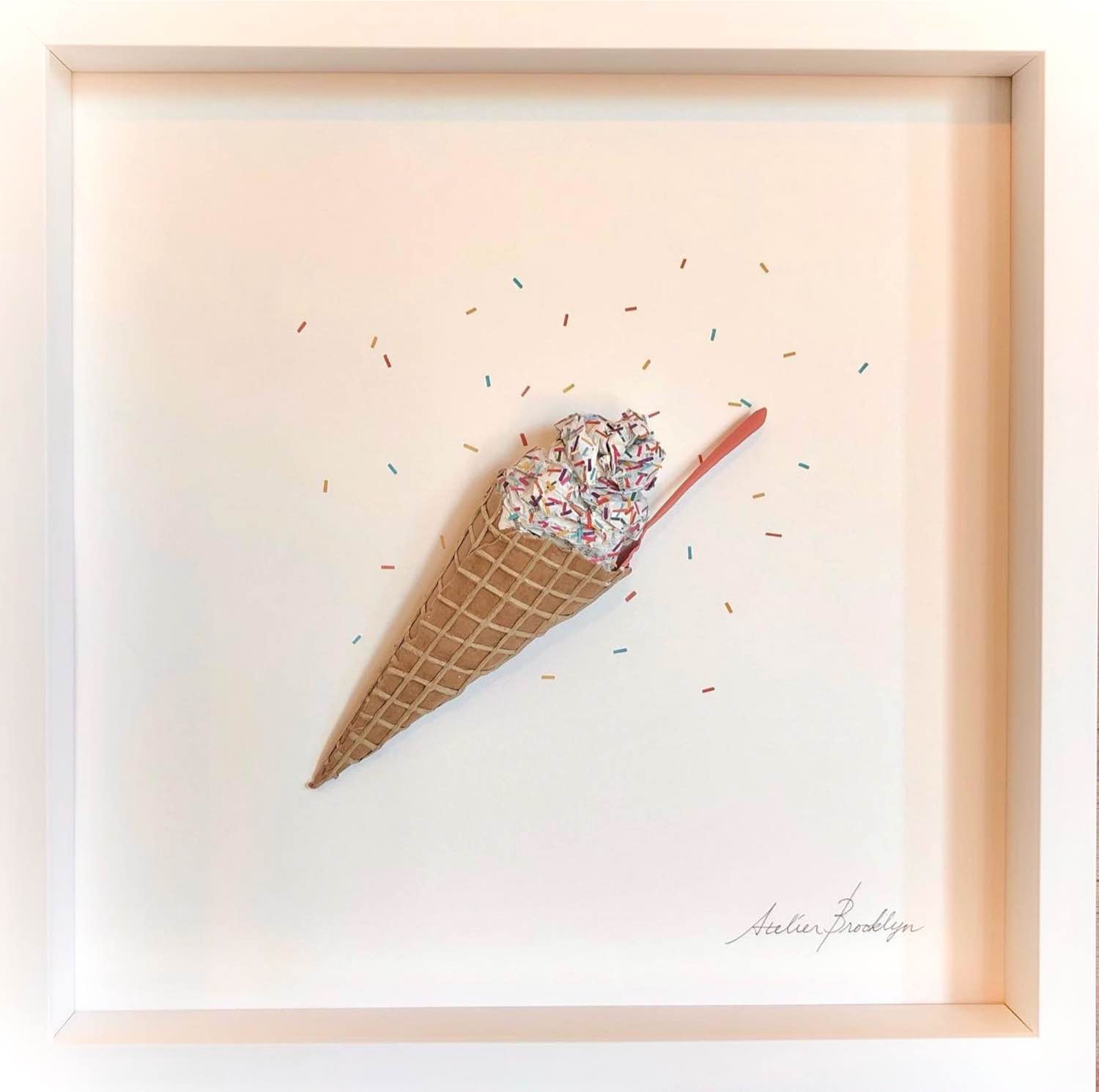
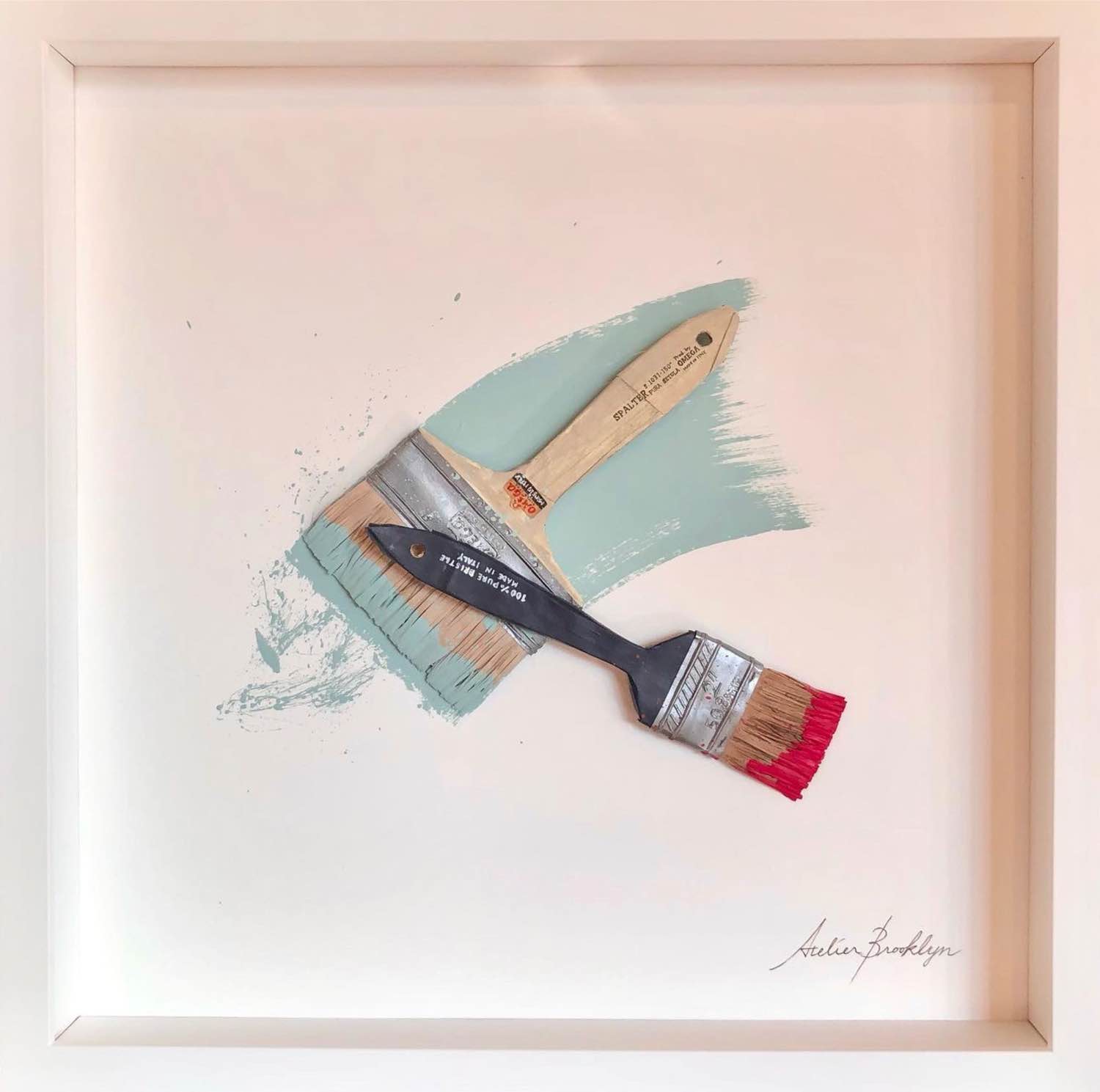
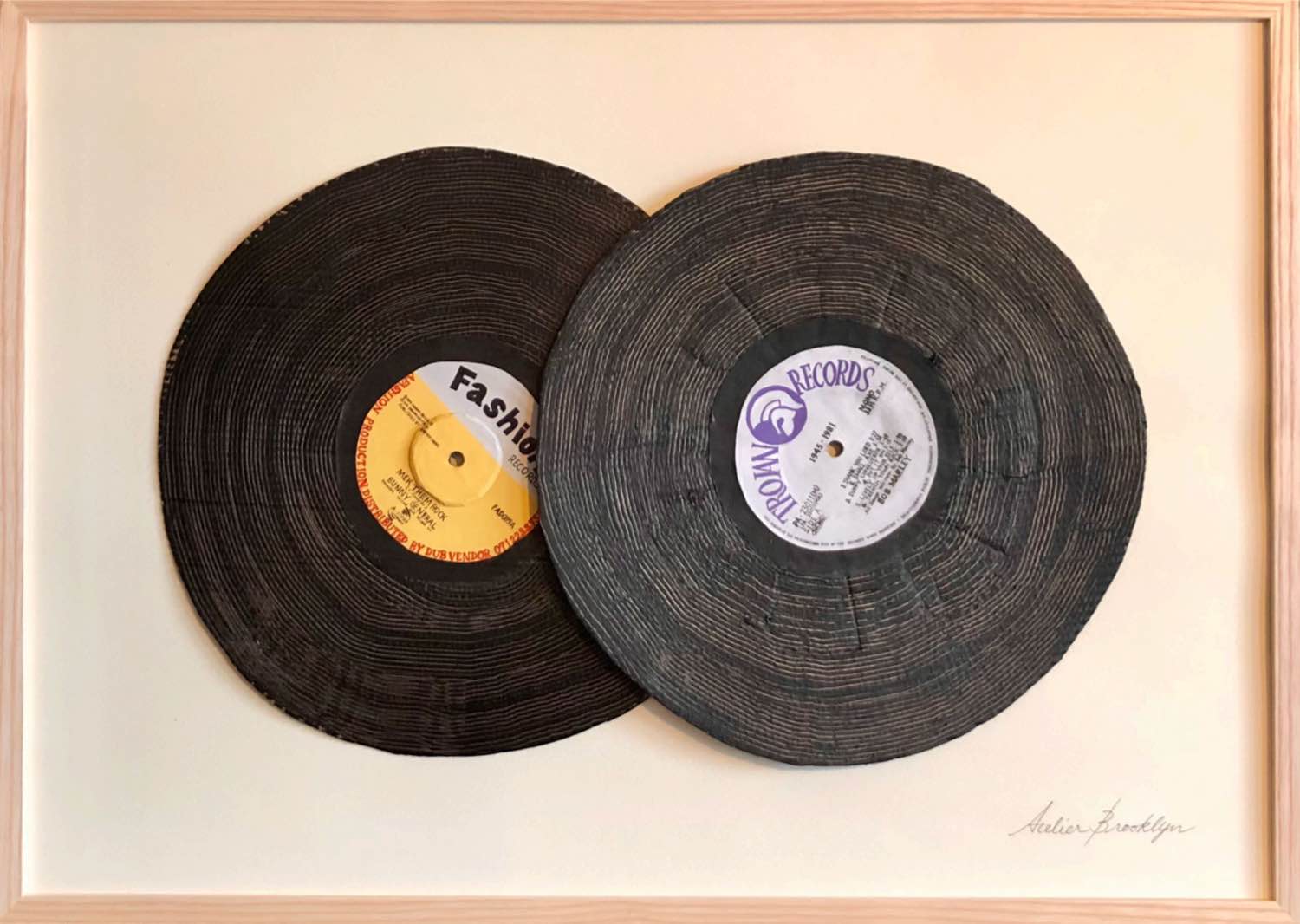
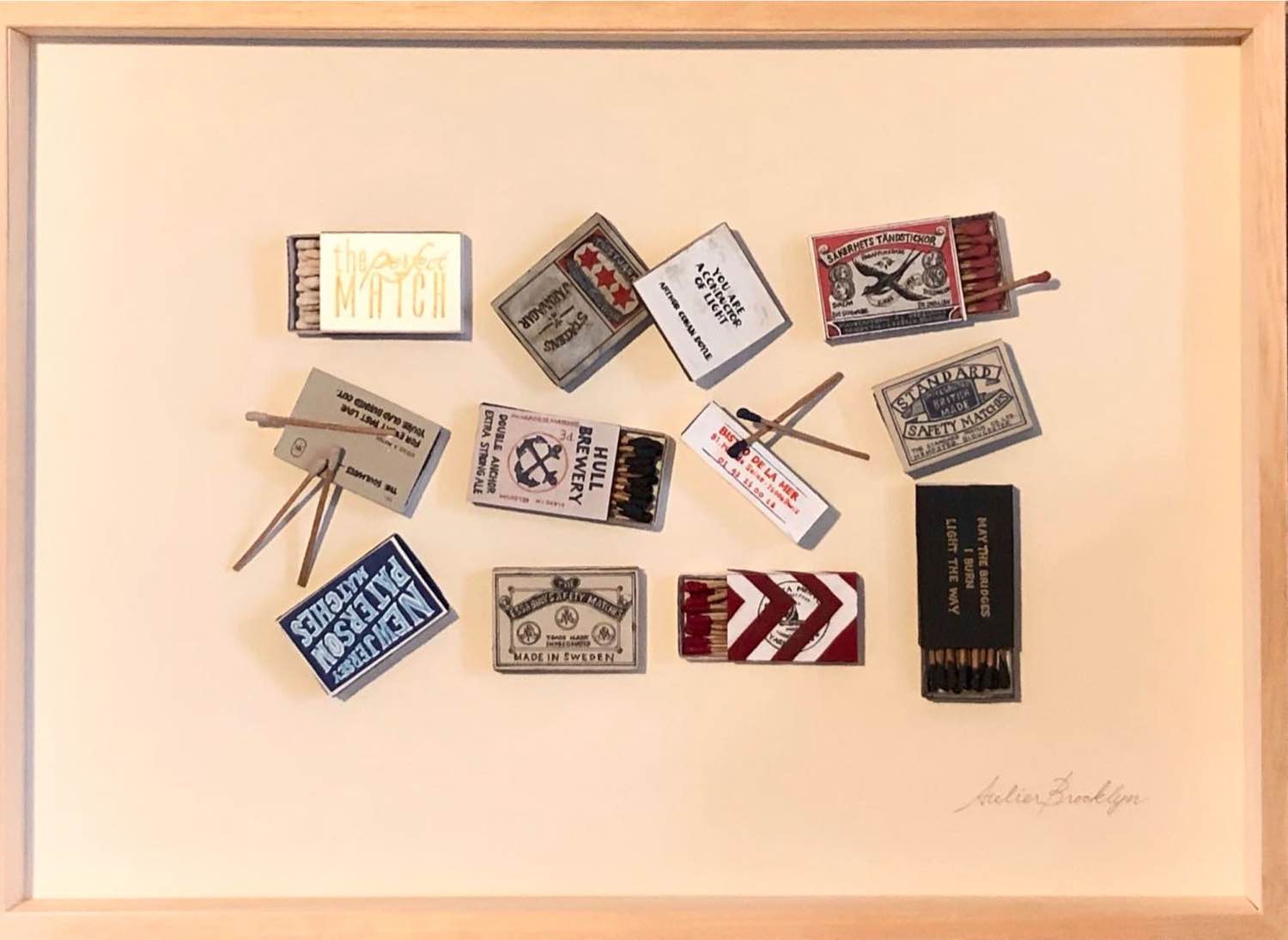
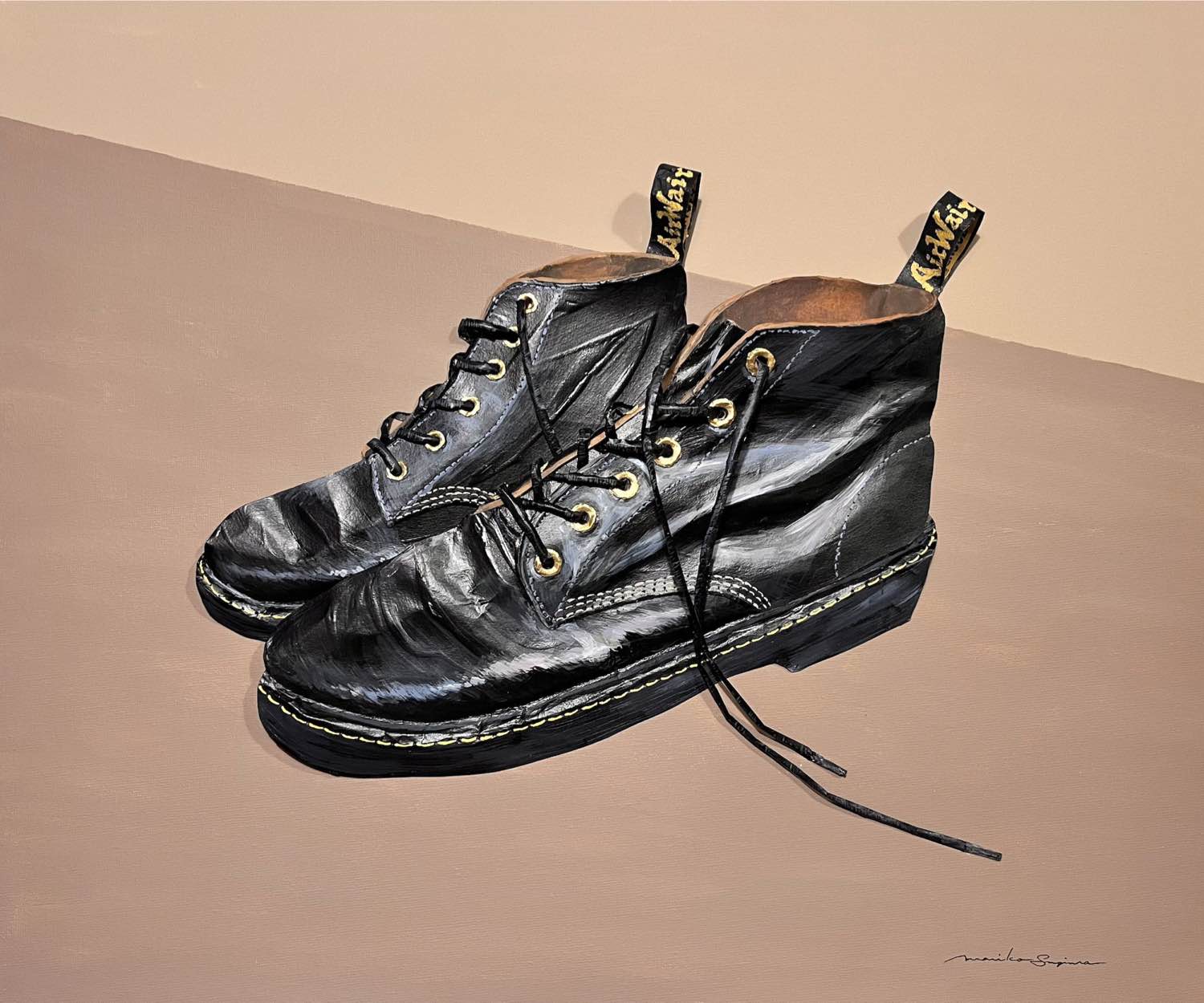
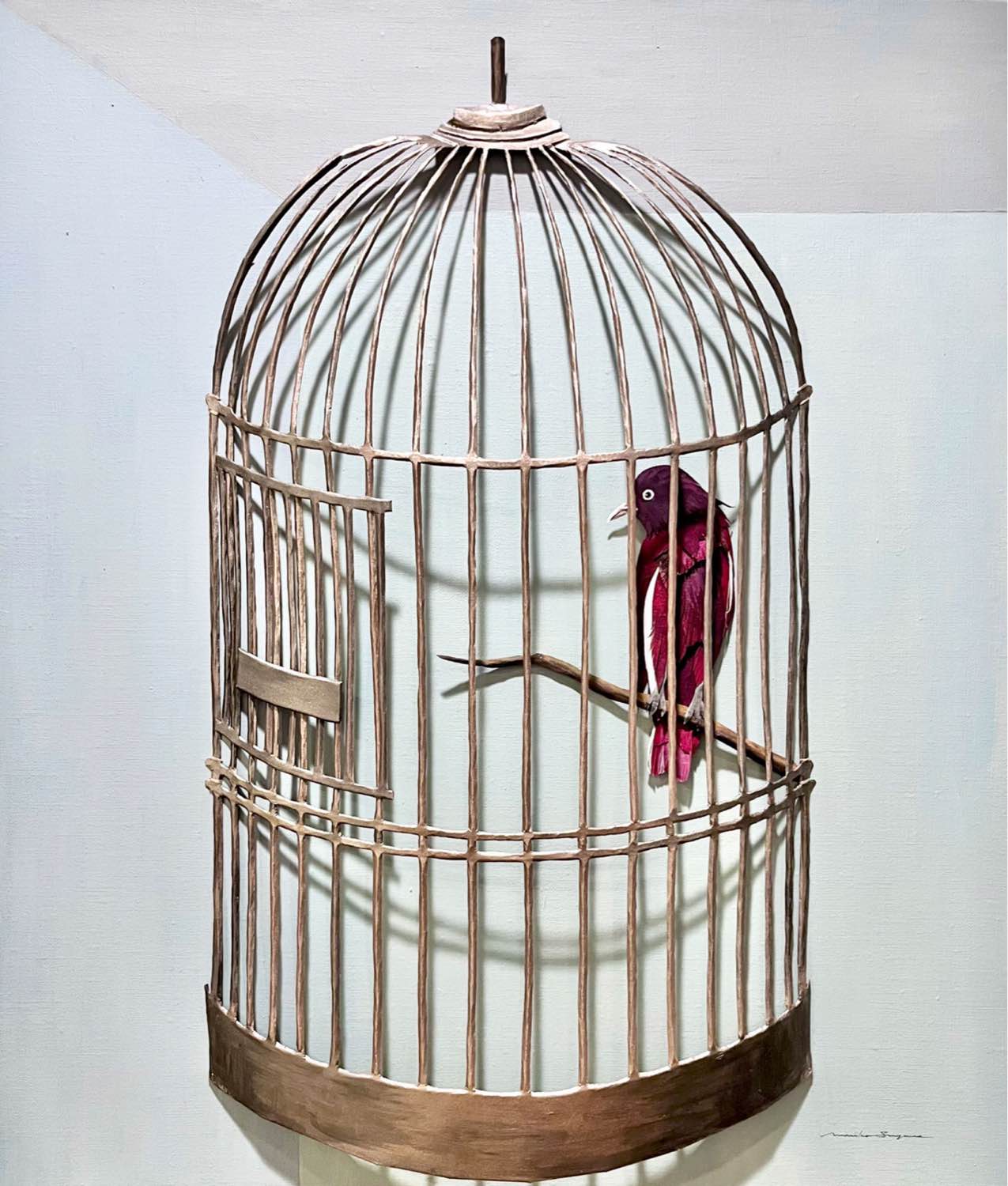
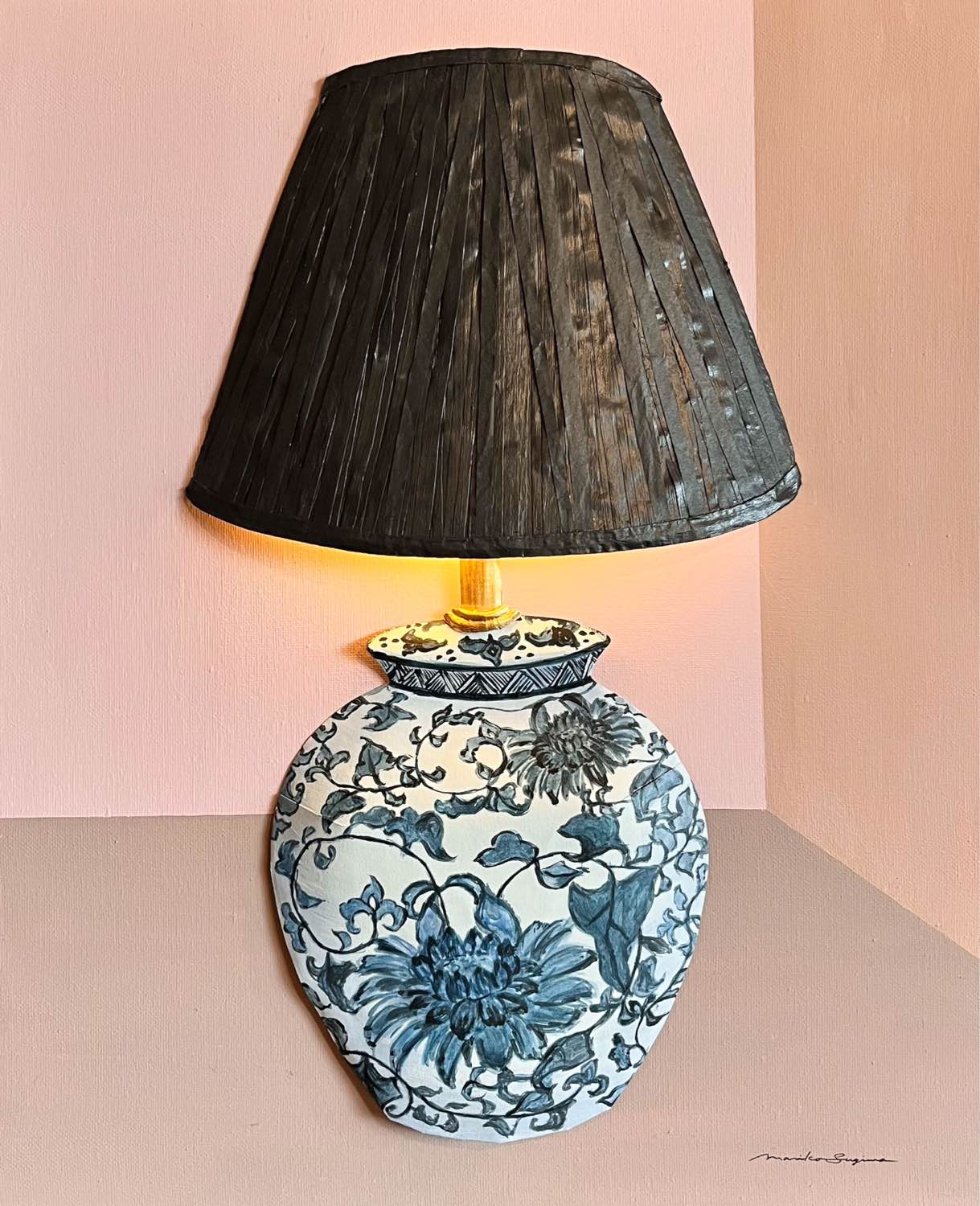
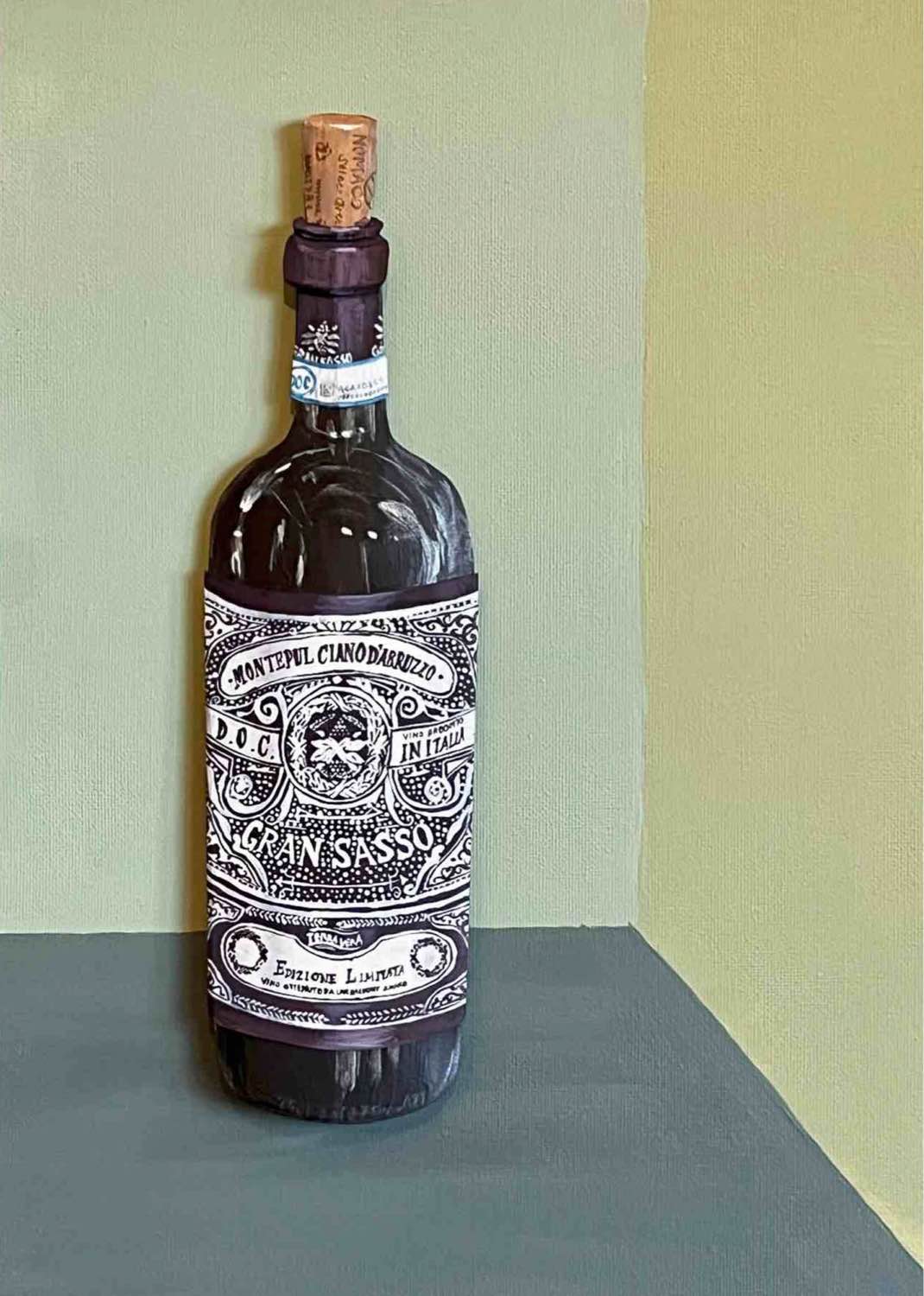
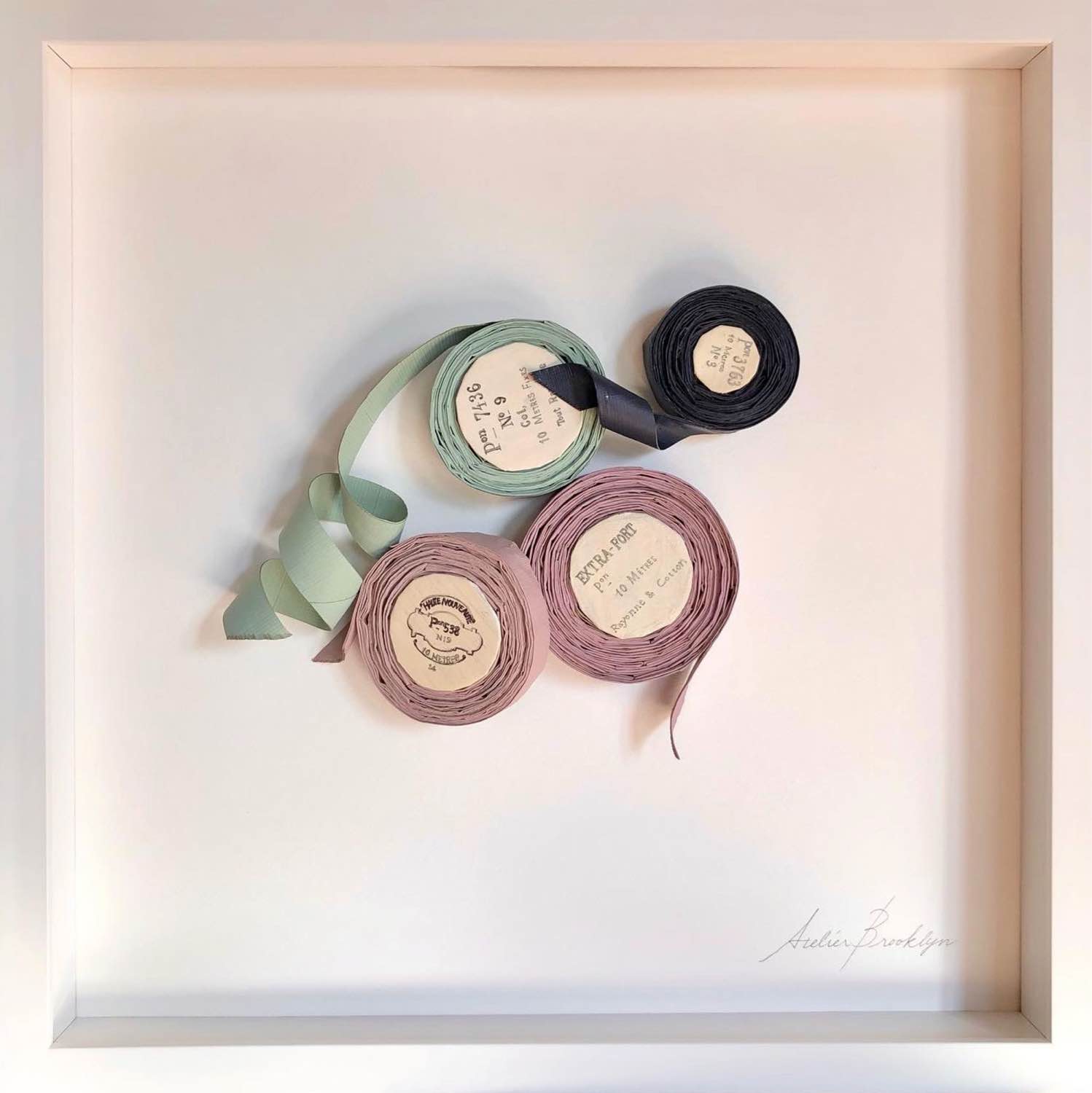
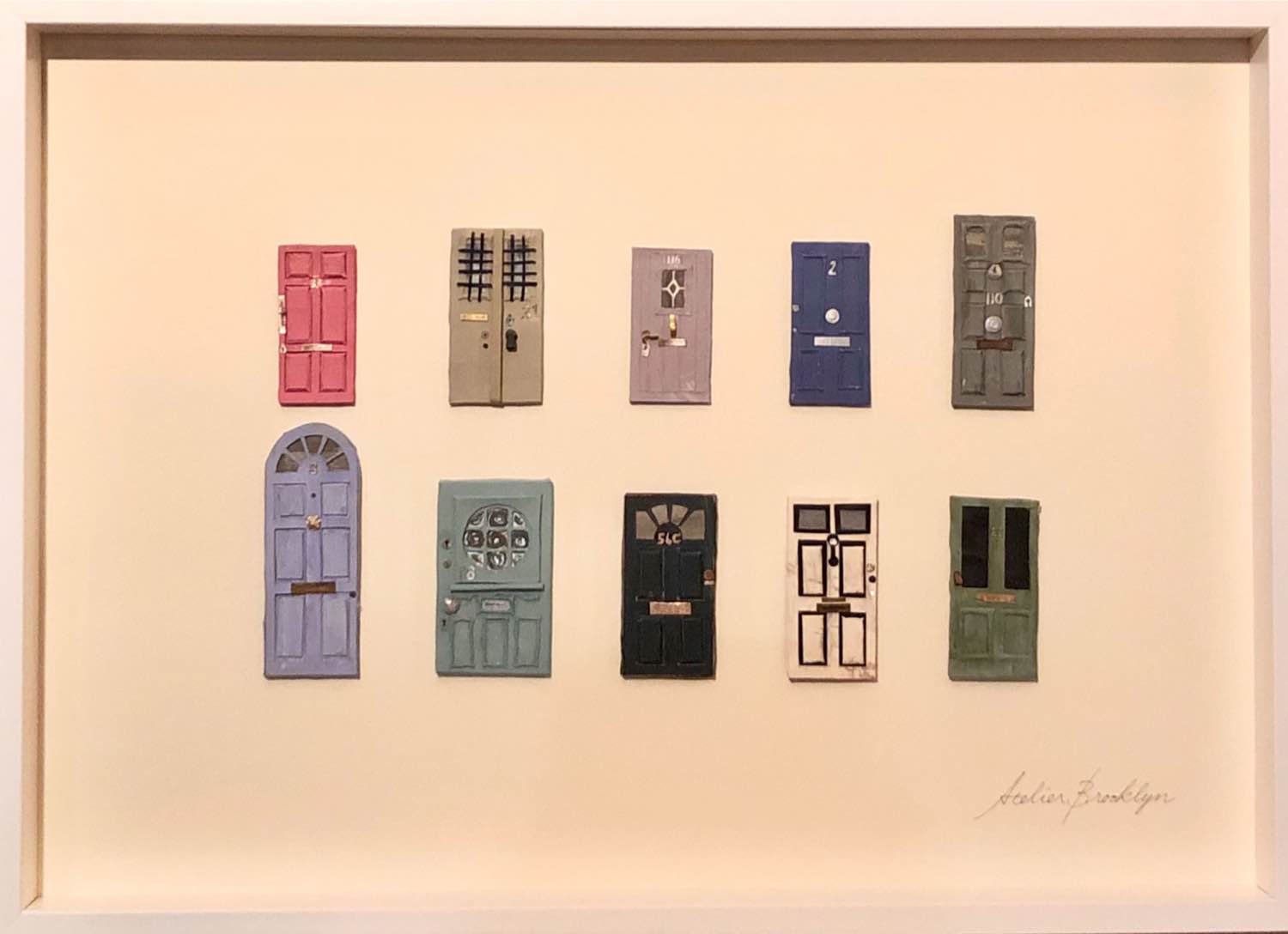
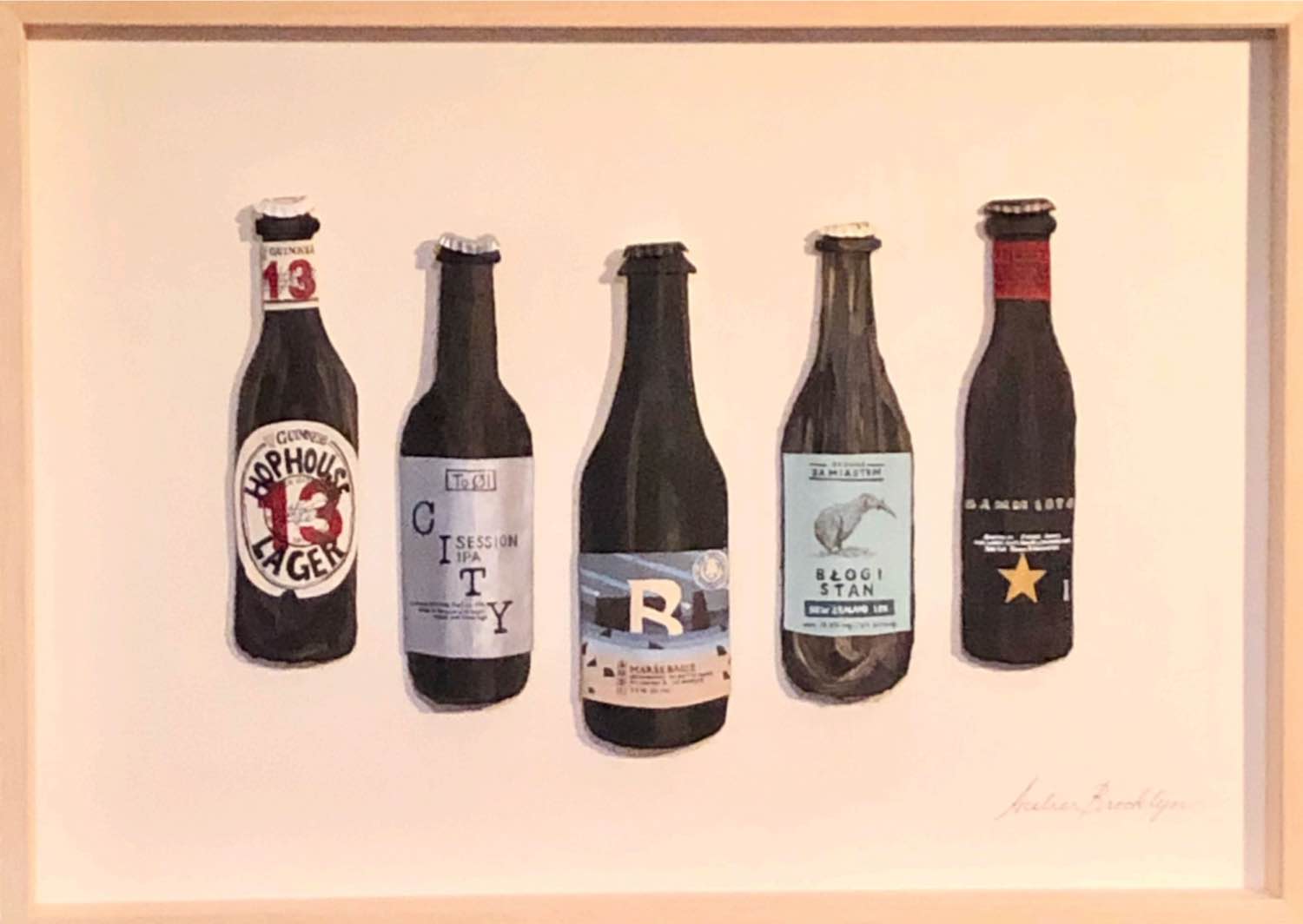
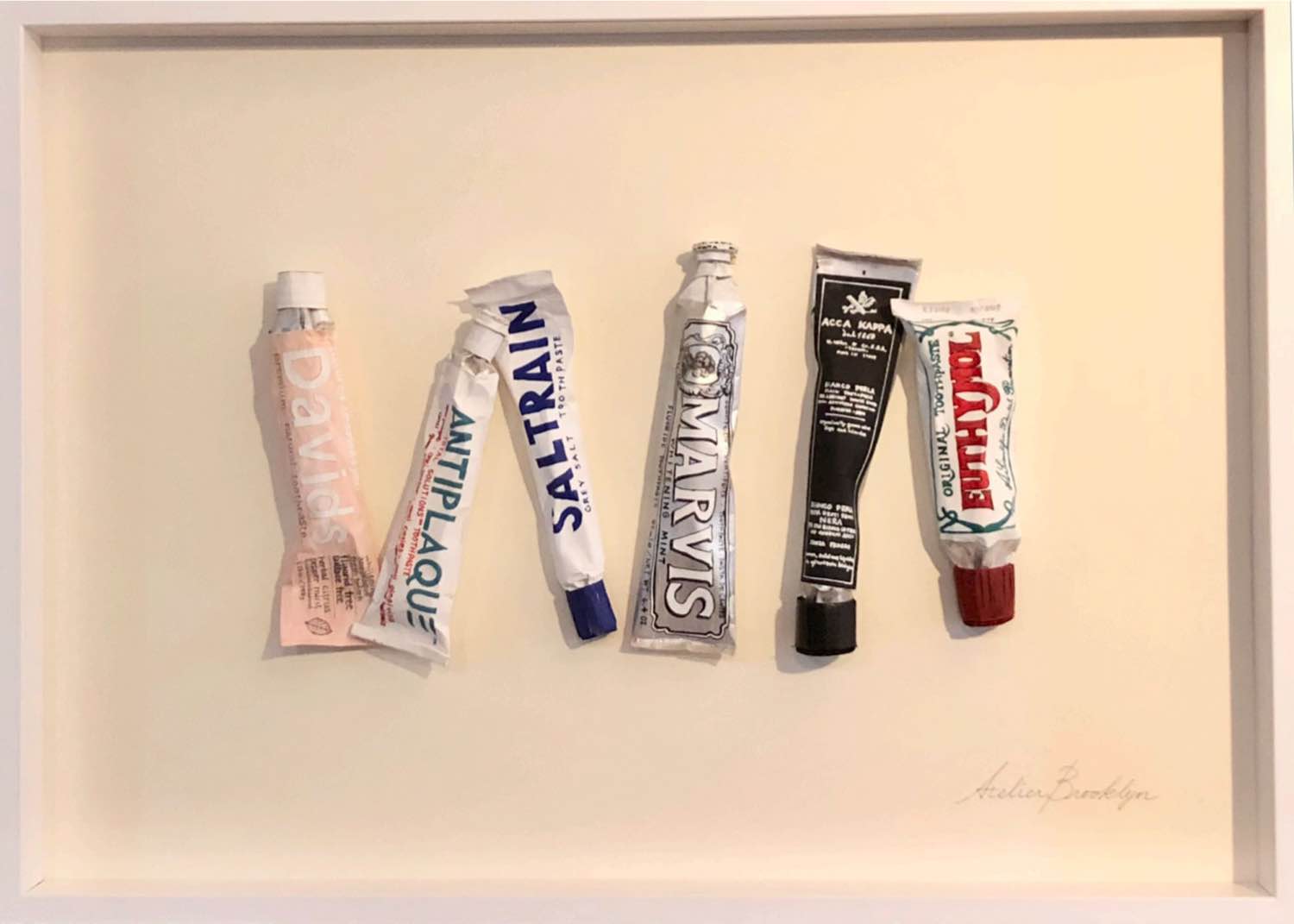
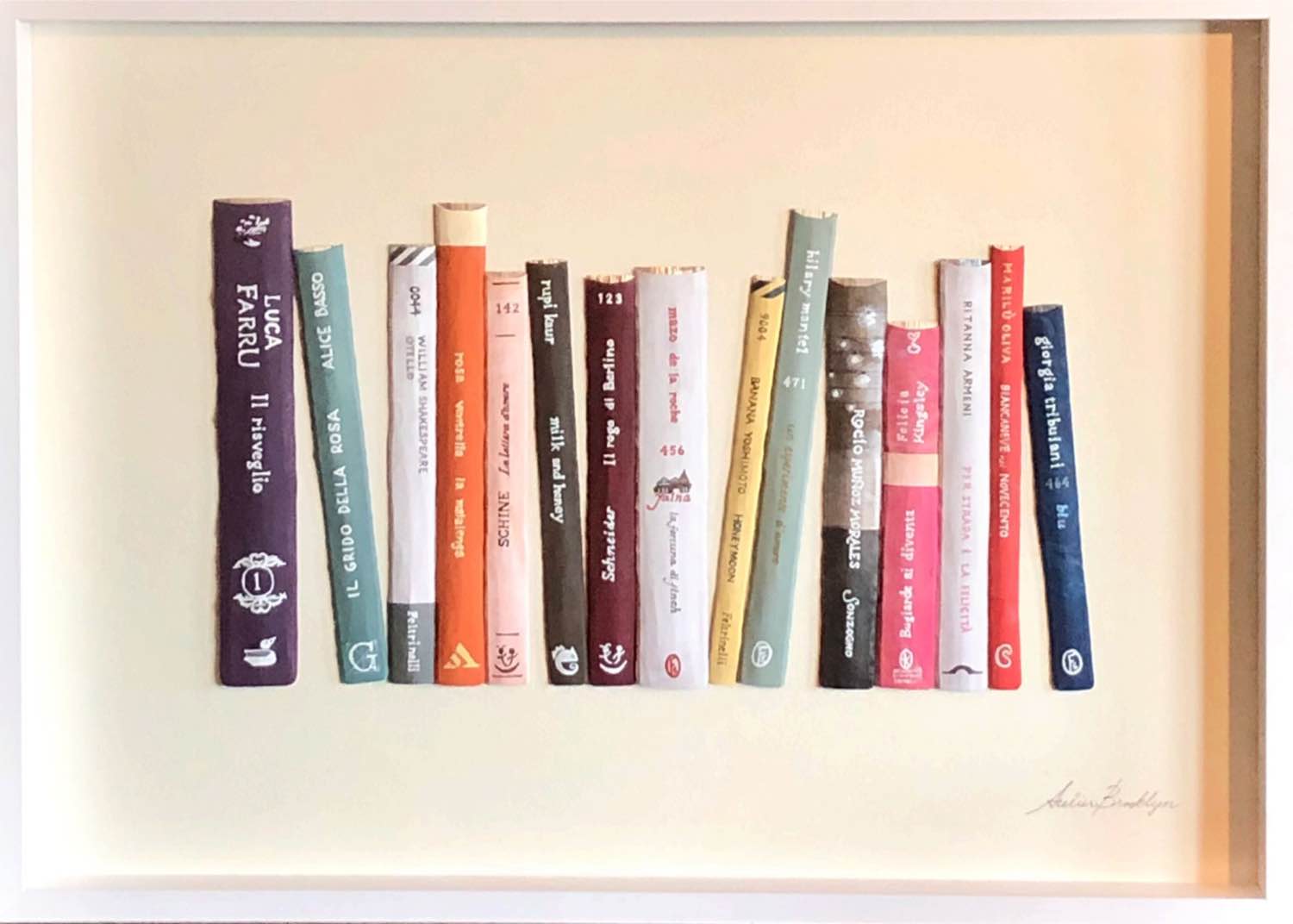
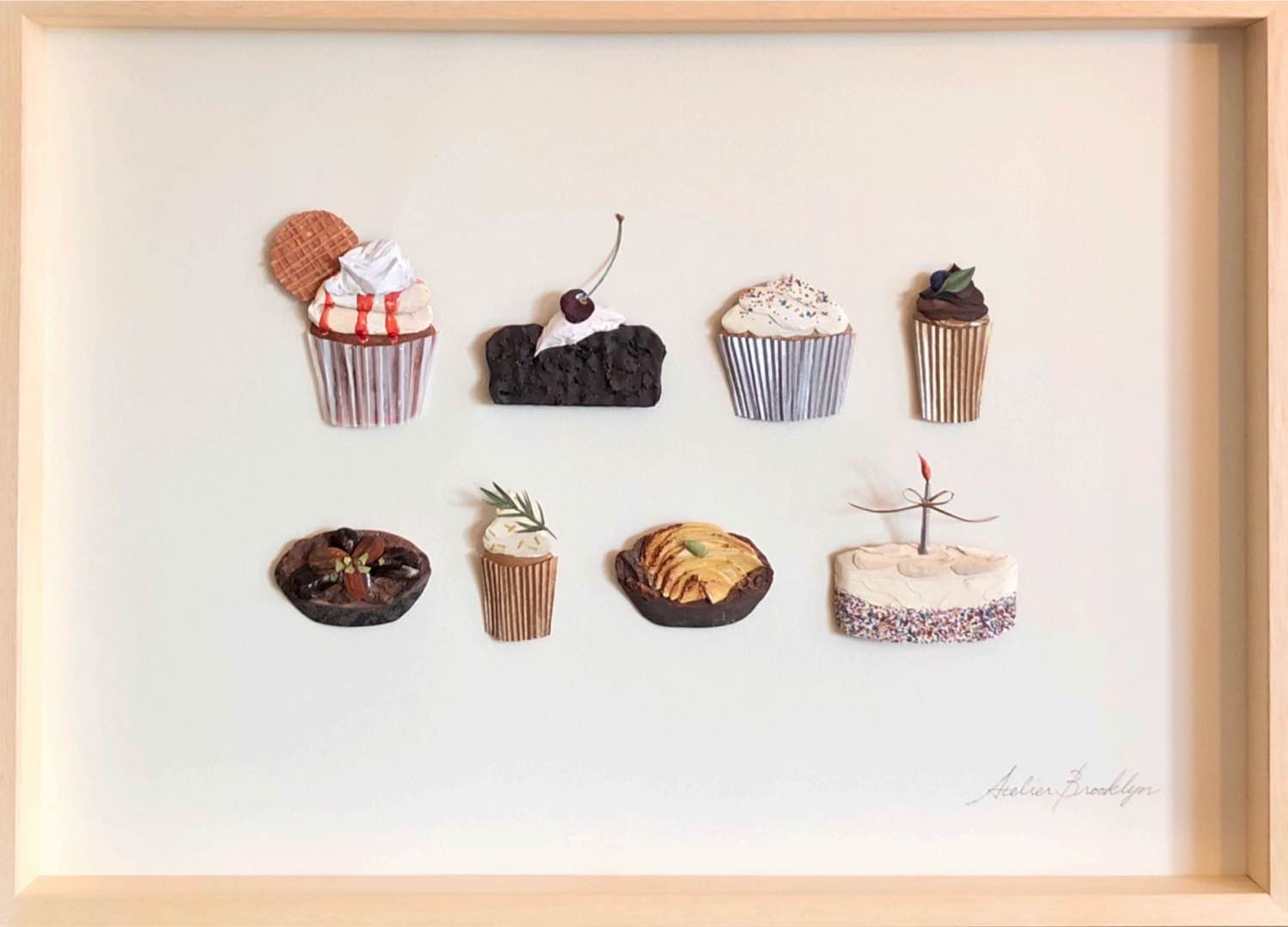
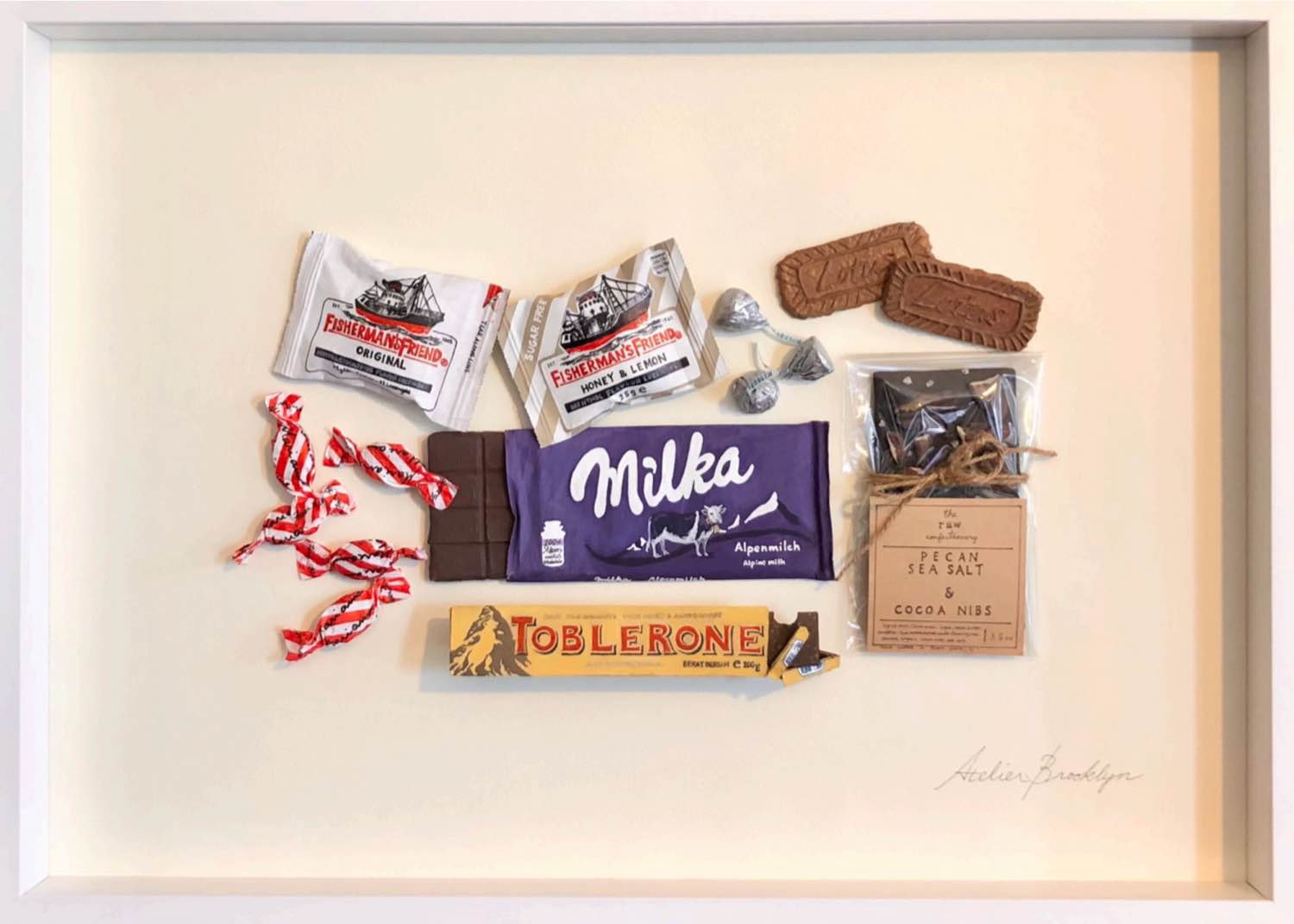
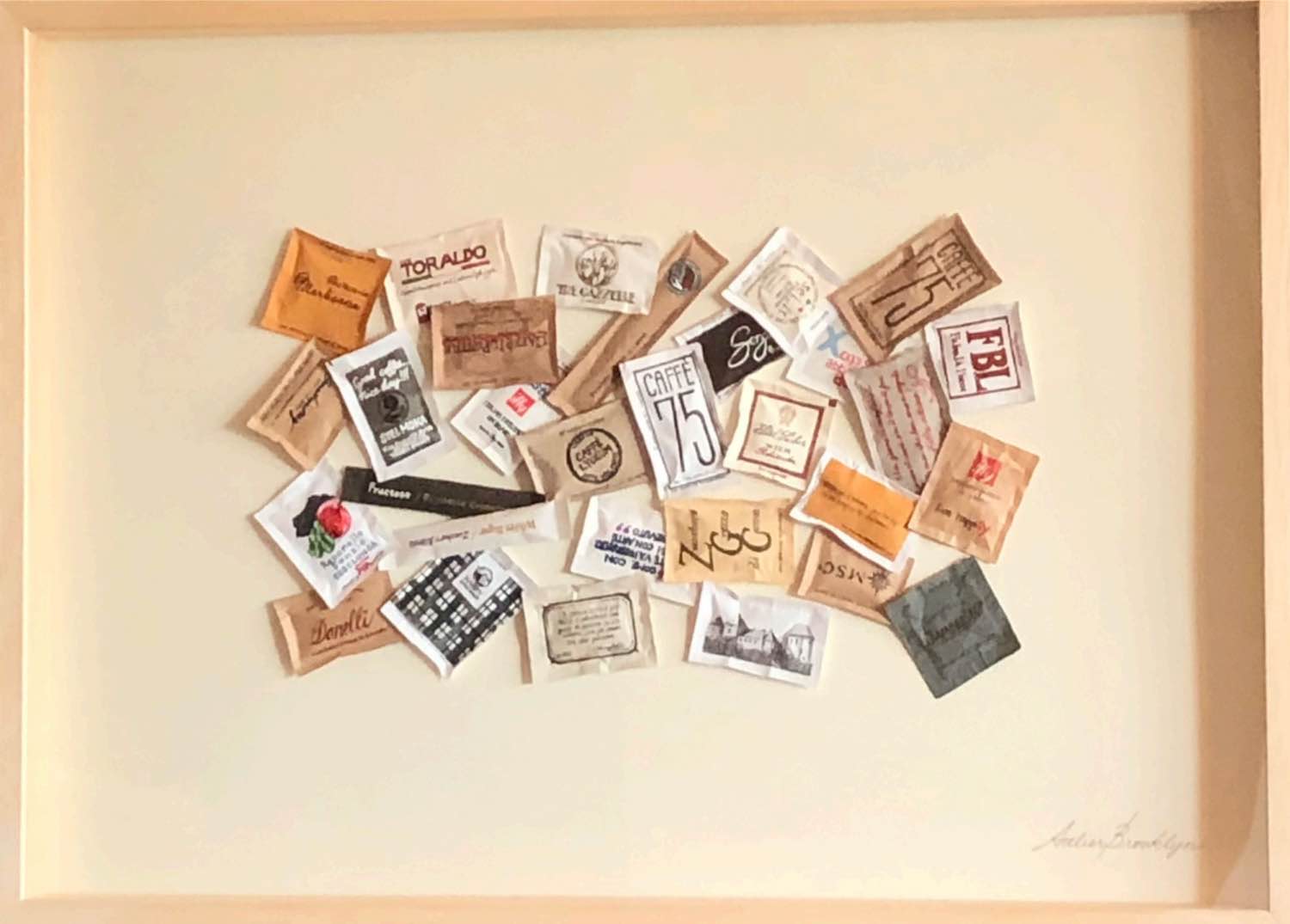
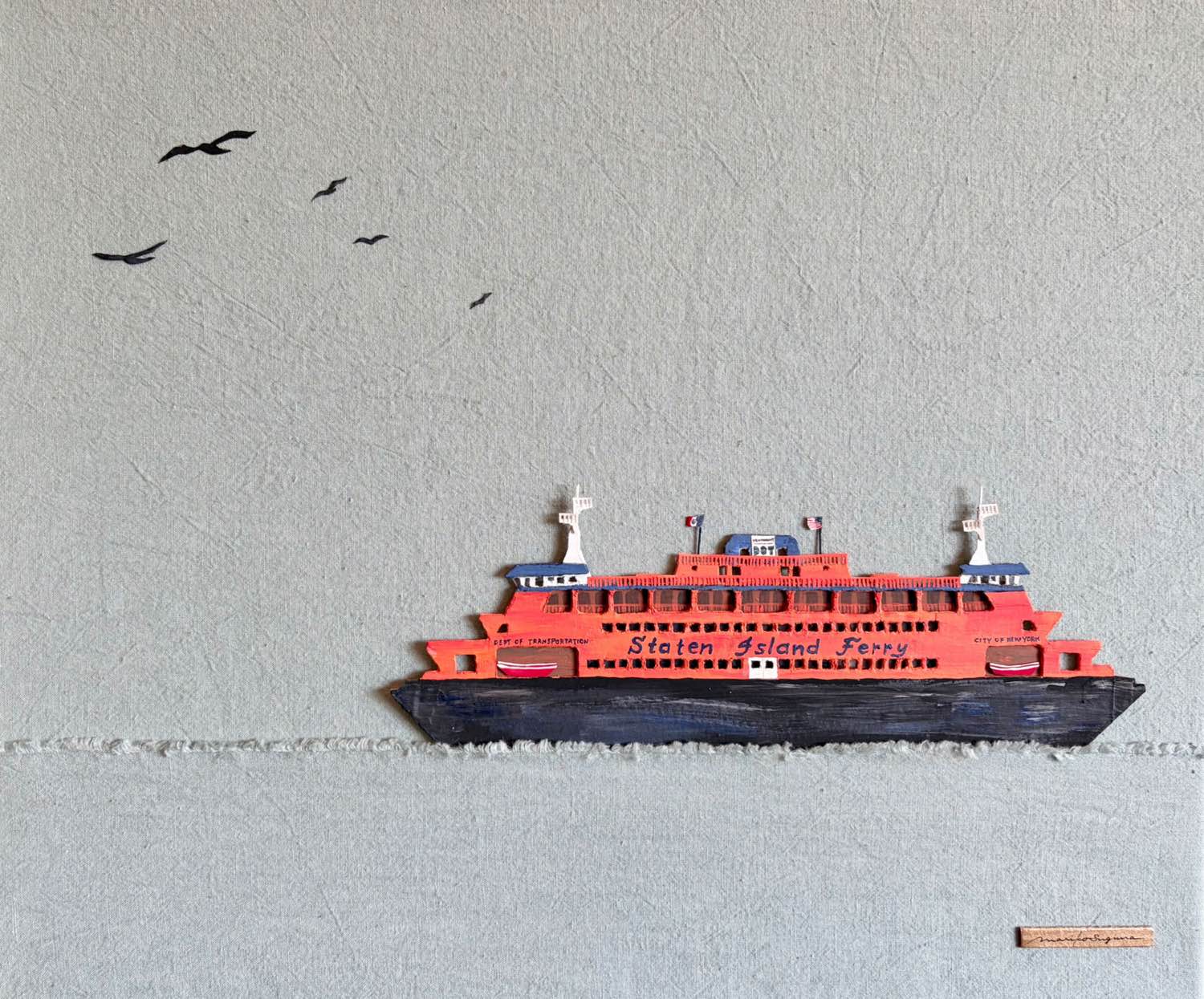
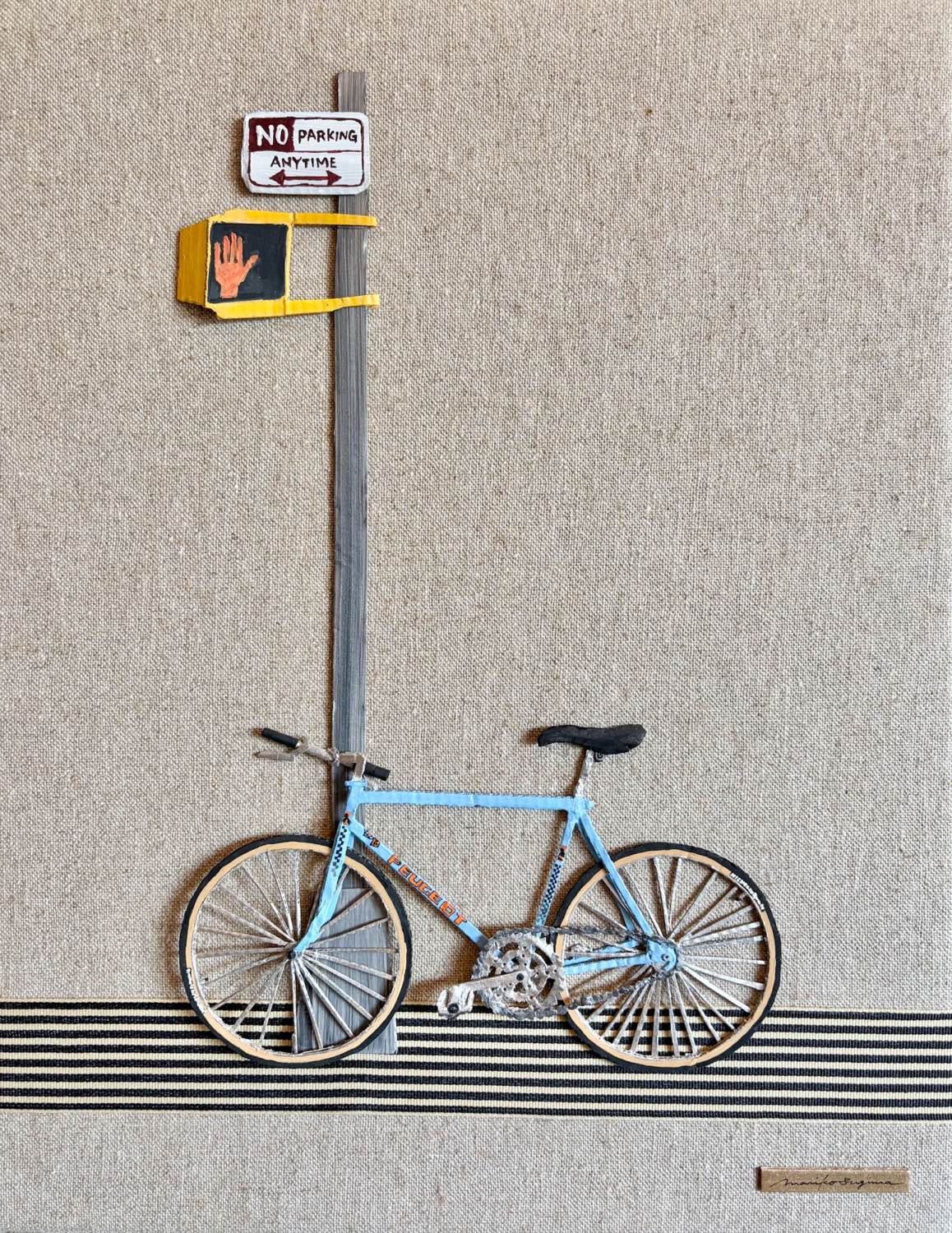
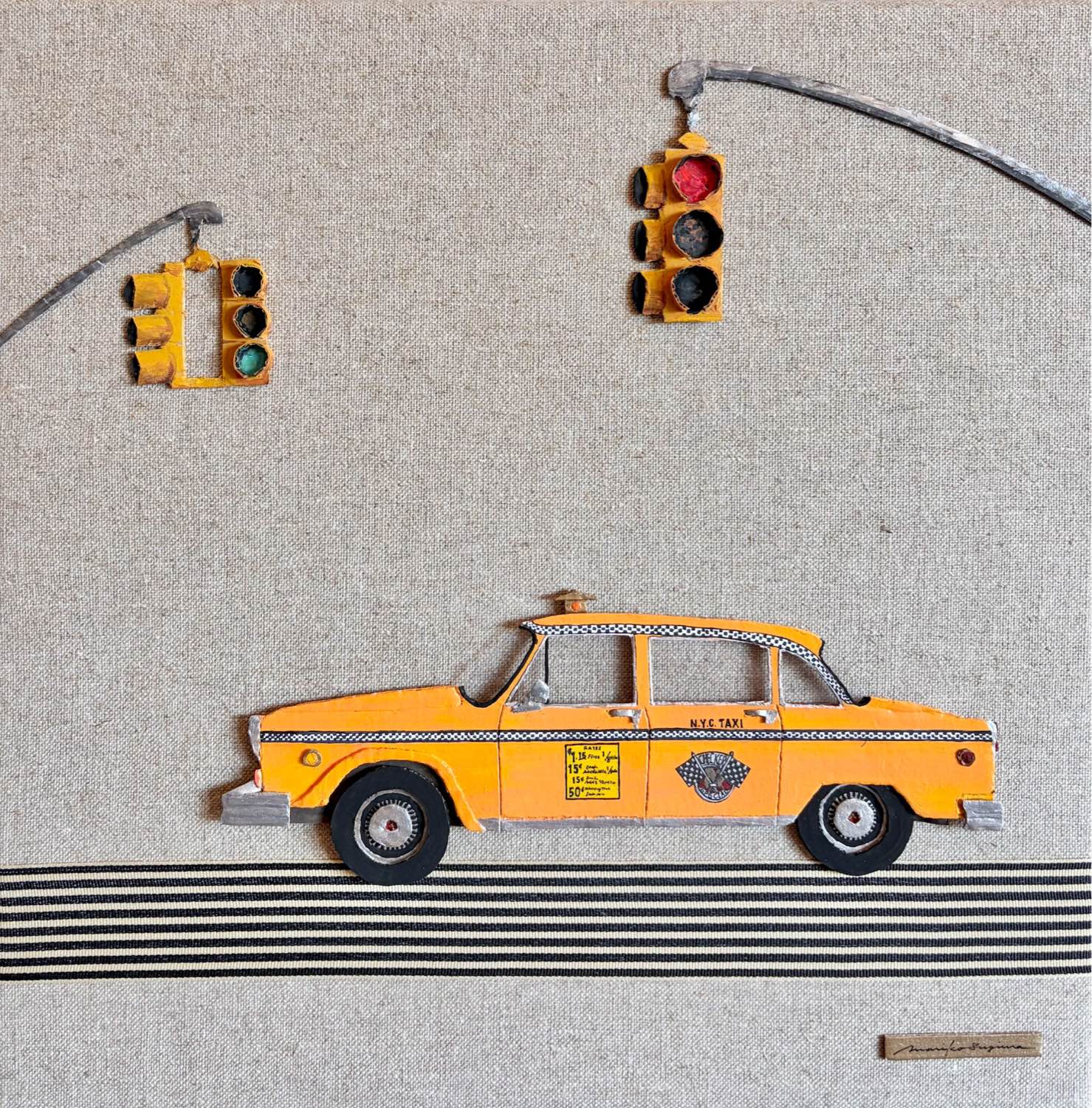
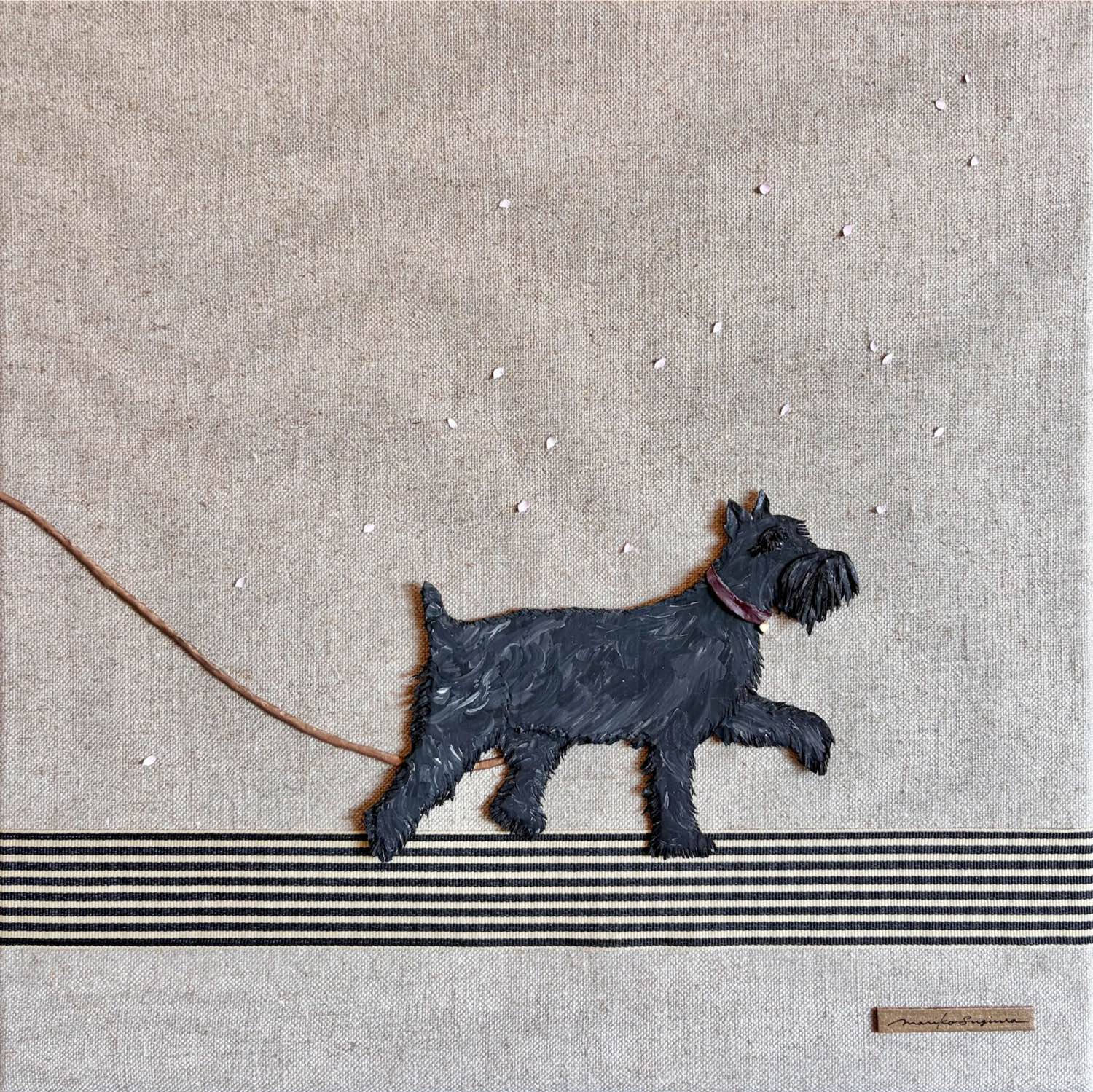
My artistic theme is “consumption and the regeneration of everyday life.” Materials such as cardboard and kraft paper, discarded in the course of daily use, are deemed valueless the moment their roles come to an end. Yet within their textures, colors, and lightness lies the potential to be given form once again. By reclaiming and reconstructing these materials, I seek to uncover new value within the cycles of a consumer-driven society.
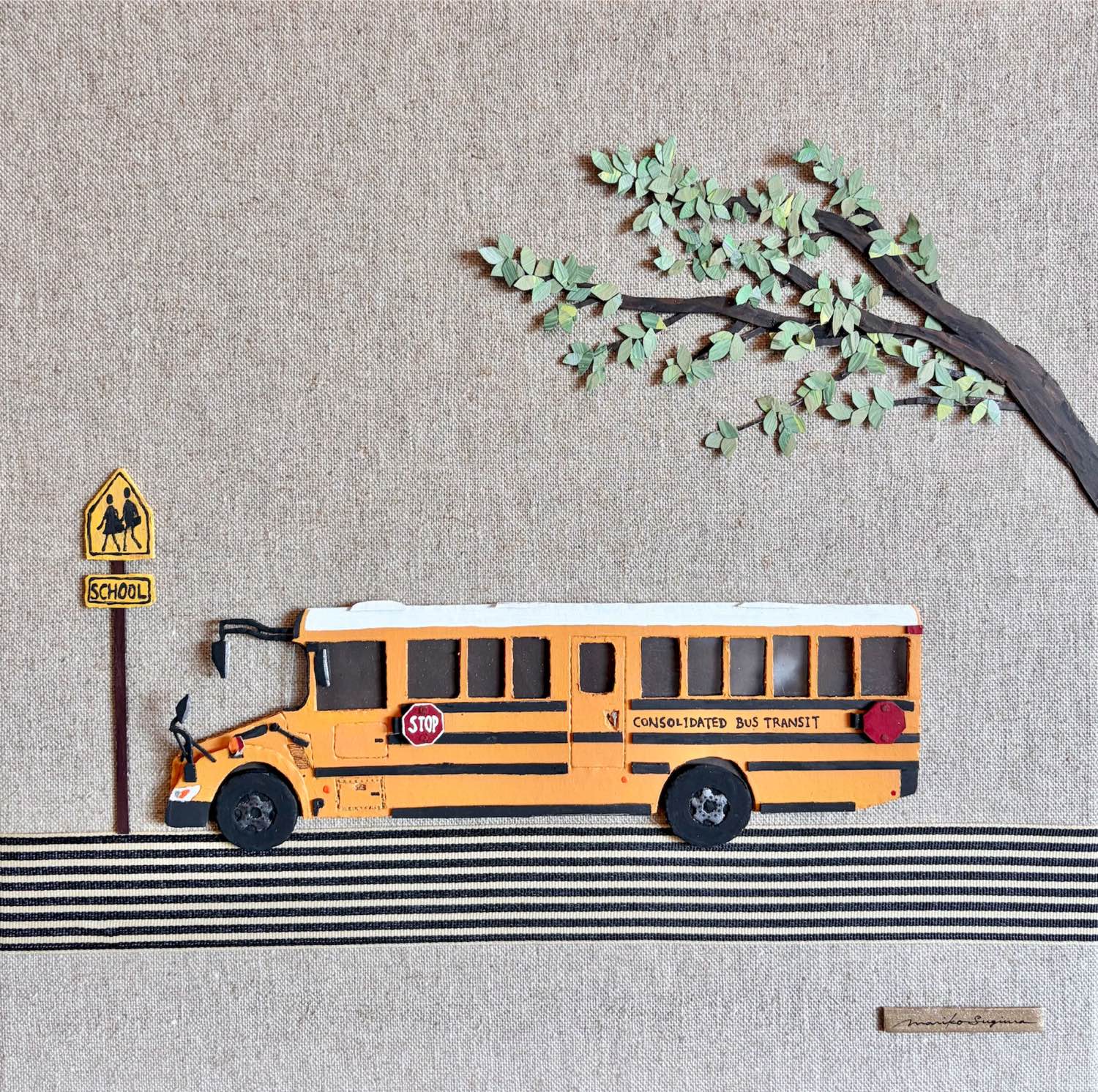
My semi-relief works in paper art emerge through the accumulation of simple processes—cutting, layering, folding, and bending—while also incorporating painterly approaches. When paper, a fragile and ephemeral material, begins to assume form within a structured composition, it carries a tangible sense of “regeneration.” For me, the act of making centers on rendering visible the temporality and plasticity inherent in the material.
In past exhibitions, I have constructed spaces reminiscent of a room belonging to someone living abroad. Through motifs such as cardboard records, kraft paper boots, lamps, and food—objects that evoke a sense of foreign daily life—I quietly bring into view the relationship between consumption and regeneration. When used materials once again take shape as elements of “everyday life,” I feel that a renewed sense of human warmth comes to inhabit the scene.