Zhou Hao
June 9 - July 1 , 2018
Wednesday-Saturday: 10: 00-18: 00
Sundays and holidays: 10: 00-17: 00
Last day of the exhibition: 10: 00-16: 00
Monday (closed), Tuesday (Open by appointment)
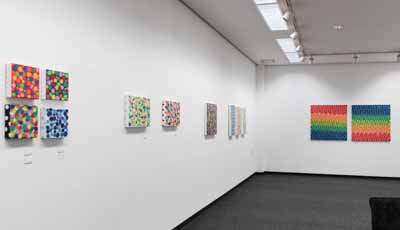
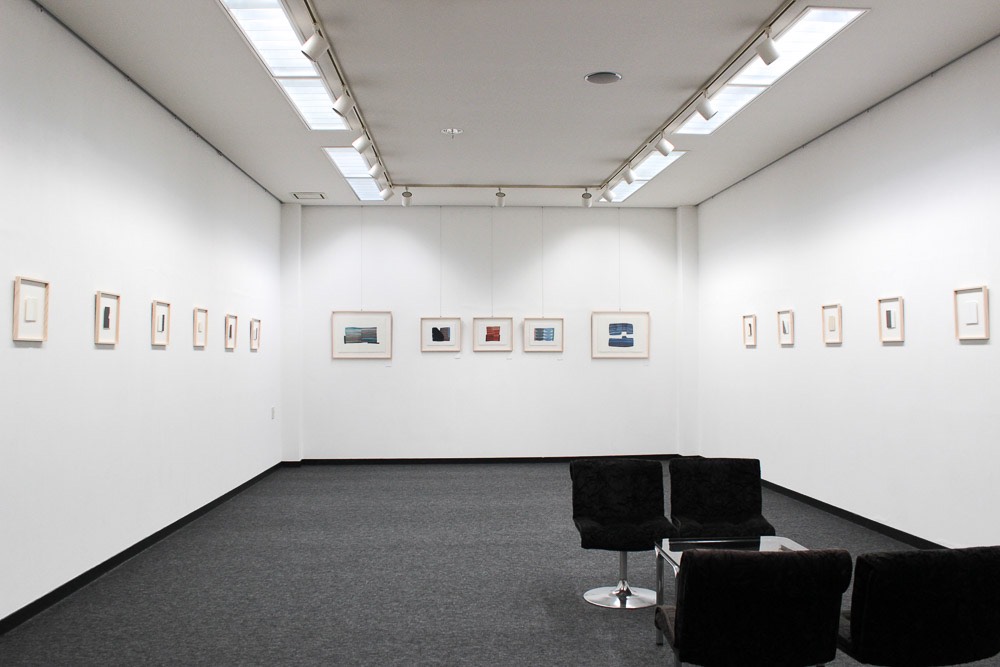
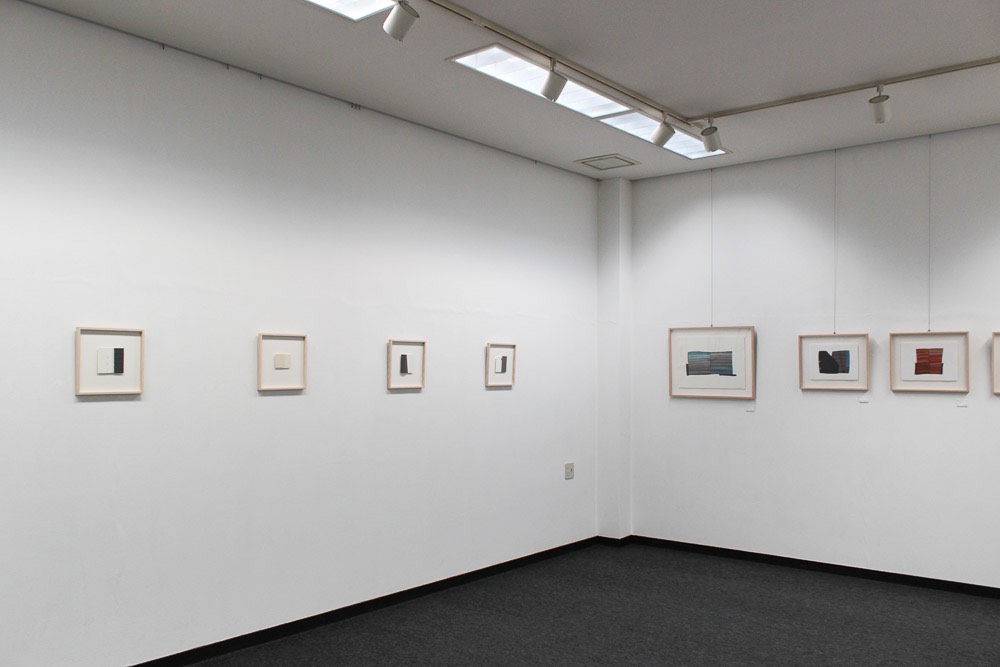
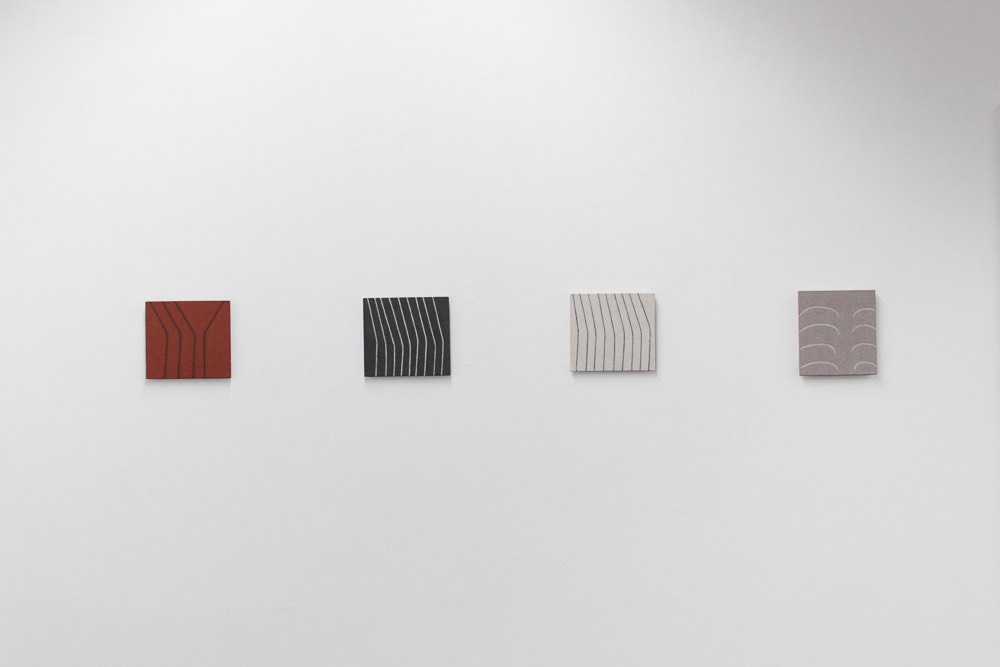
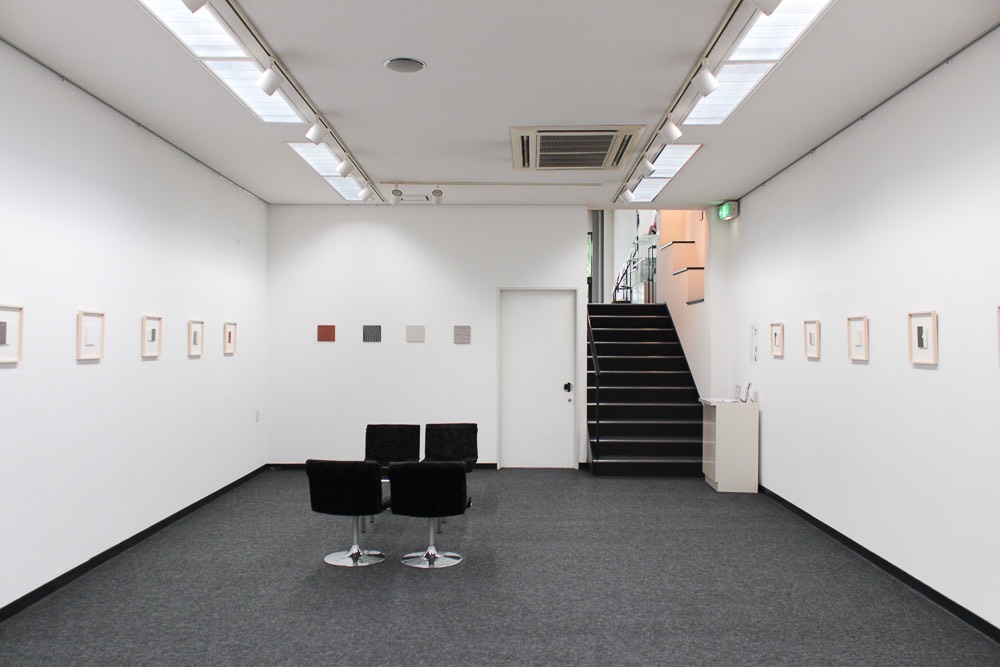
Exhibiting work : Oil painting ... abt. 20 pcs
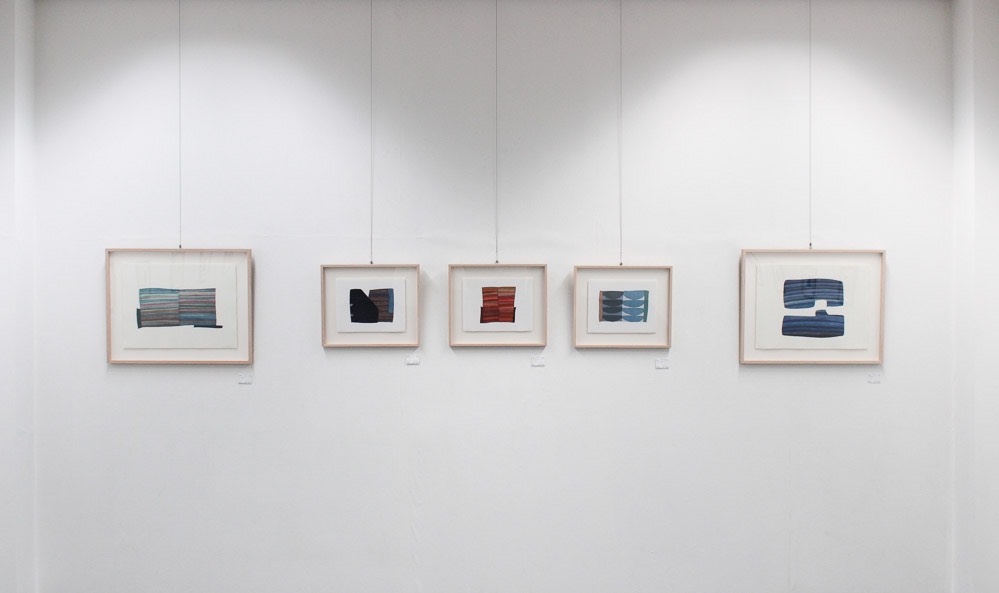
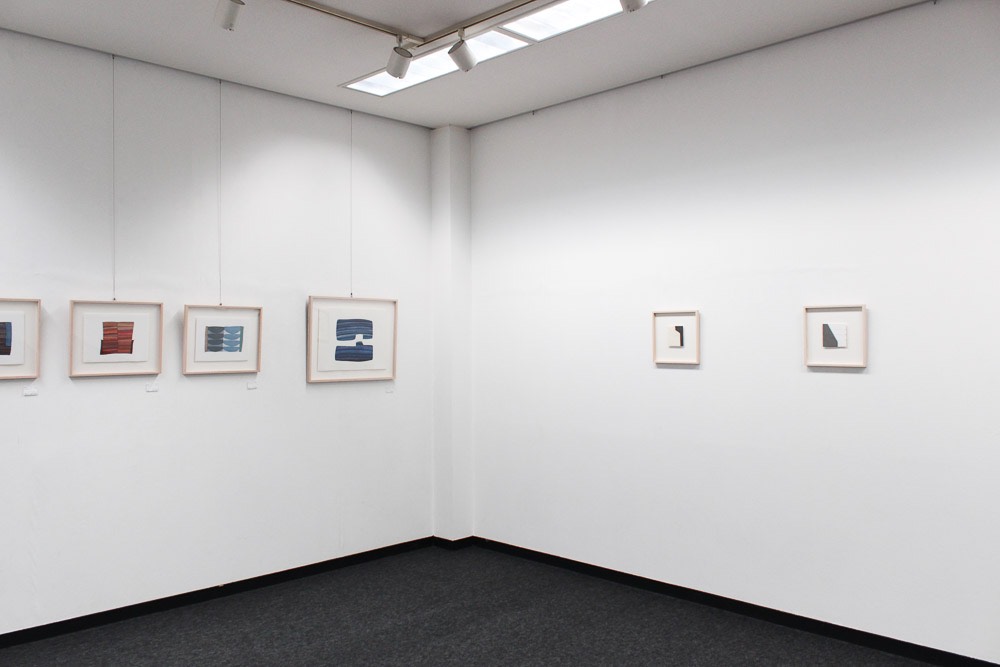
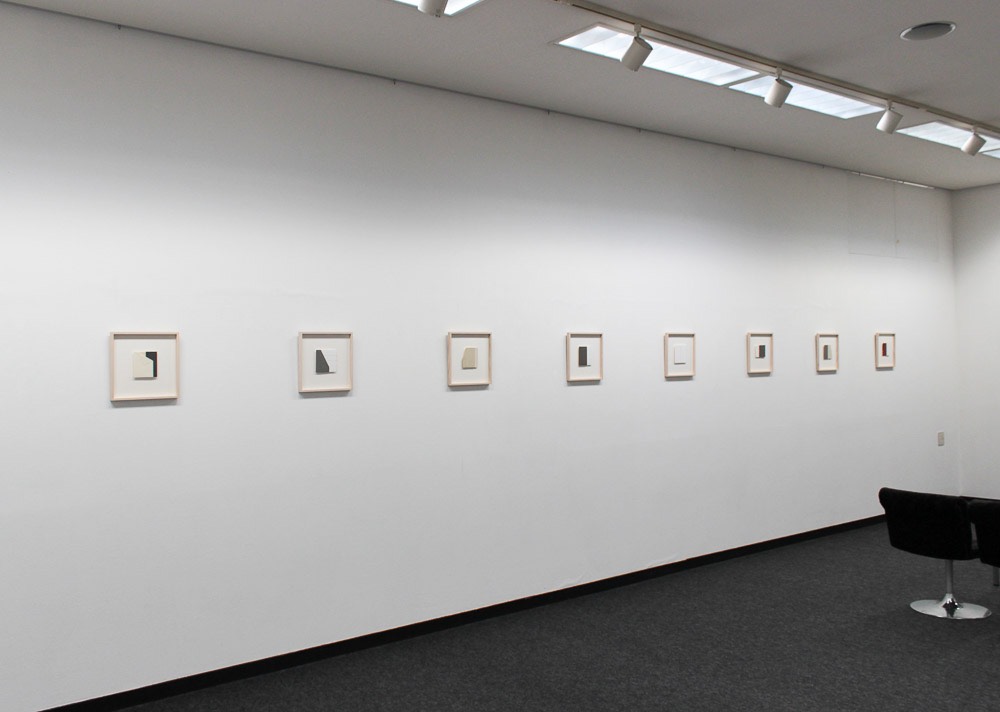
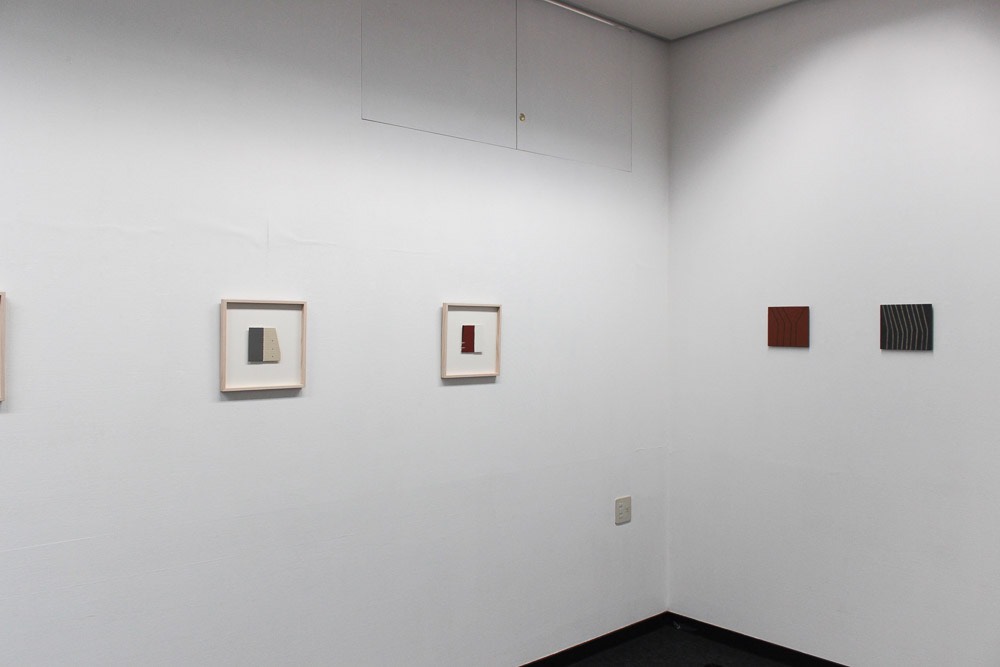
Opening "Dialogue with Zhou Hao - Thoroughly All Things"
Date : Sunday, June 10, 14: 00-15: 3 Venue : Artland Gallery Participation fee : free No application required
Based in Japan (Yokohama) and China (Shanghai), he has been developing a variety of oil paintings, drawings, watercolors, collages, etc. In recent years, he has participated in art fairs in Asia and Europe and is steadily gaining praise.
At the opening of this 9th solo exhibition, we will hold a "Thoroughly All Things" that will take up free topics related to art and excite the dialogue with the participants. The topic to be picked up depends on the situation. We hope that you will feel free to join us and enjoy yourself.
ZHOU Hao
Biography, Selected Exhibitions and Public Collections
Biography
Zhou Hao was born in Shanghai, China, in 1960. From the age of six through his high school years, he spent approximately ten years living through the Cultural Revolution.
In 1983, he came to Japan as a privately funded international student. The following year, he entered the Department of Oil Painting at Musashino Art University. In his third year, he transferred to the newly established printmaking course, becoming a member of its first graduating class and studying lithography. During this period, his work gradually shifted toward abstraction.
At the same time, he encountered the Mingei philosophy of Yanagi Sōetsu, which made a profound impression on him. Through the writings of Suzuki Daisetsu on Zen, he also began to reconsider the classical culture of his native country. While reading works on Daoist thought, particularly Laozi and Zhuangzi, he developed a strong interest in contemporary art in both Japan and the West.
In 1987, he received a scholarship from the Koyama Keizo Foundation for the Promotion of Art and participated in the first Asian Art Student Residency Program, working in residence at the Shirakaba Museum of Art in Yamanashi Prefecture, with the support of Tokyo Gallery Yoshii.
In 1988, he graduated from the Printmaking Course, Department of Oil Painting, College of Art and Design, Musashino Art University. In 1989, he received a Japanese Government Scholarship from the Ministry of Education. In 1990, he completed the master’s program in printmaking at the Graduate School of Art and Design, Musashino Art University.
After completing graduate school, he joined MMG, a printmaking studio in Higashi-Azabu, Tokyo, directed by printmaker Yusaku Masuda. While working in plate preparation and printing, he continued to produce and exhibit his own prints. He left the studio in 2003 and thereafter devoted himself fully to his artistic practice.
In 2008 and again in 2010, through the introduction of Yusaku Masuda, he produced intaglio prints at Atelier Rémy Bucciali in France. In 2016, he participated in the LOVEART – Summer Artists Residence Project and worked in residence in Italy.
Based between Shanghai and Yokohama, Zhou Hao continued his artistic practice and presented solo exhibitions primarily in Japan and China, while also participating in international print exhibitions and art fairs in Japan and abroad.
He passed away in September 2023 at the age of 62.


Text
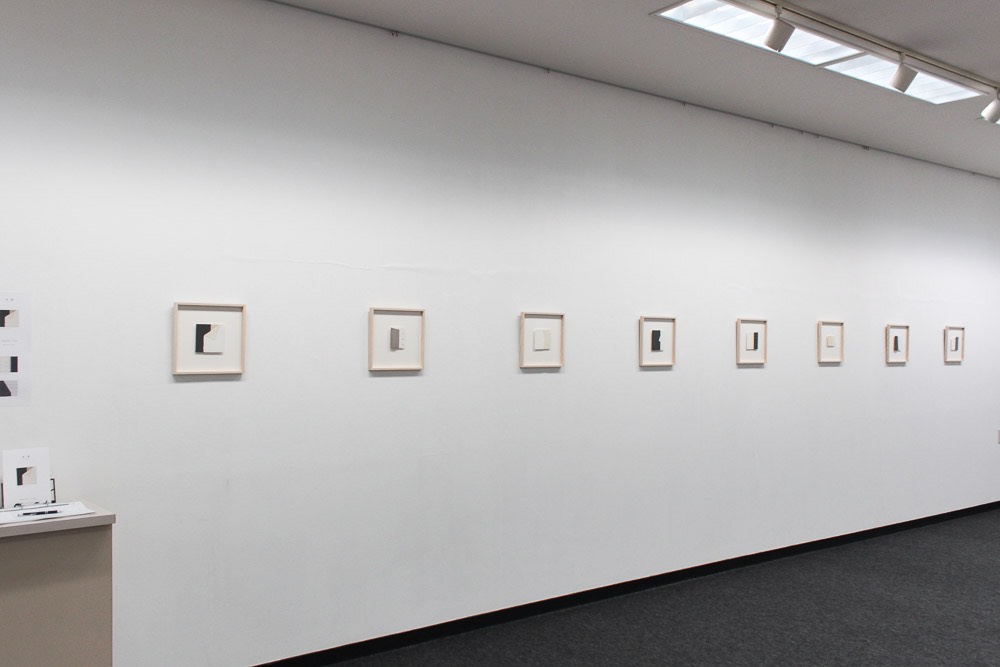
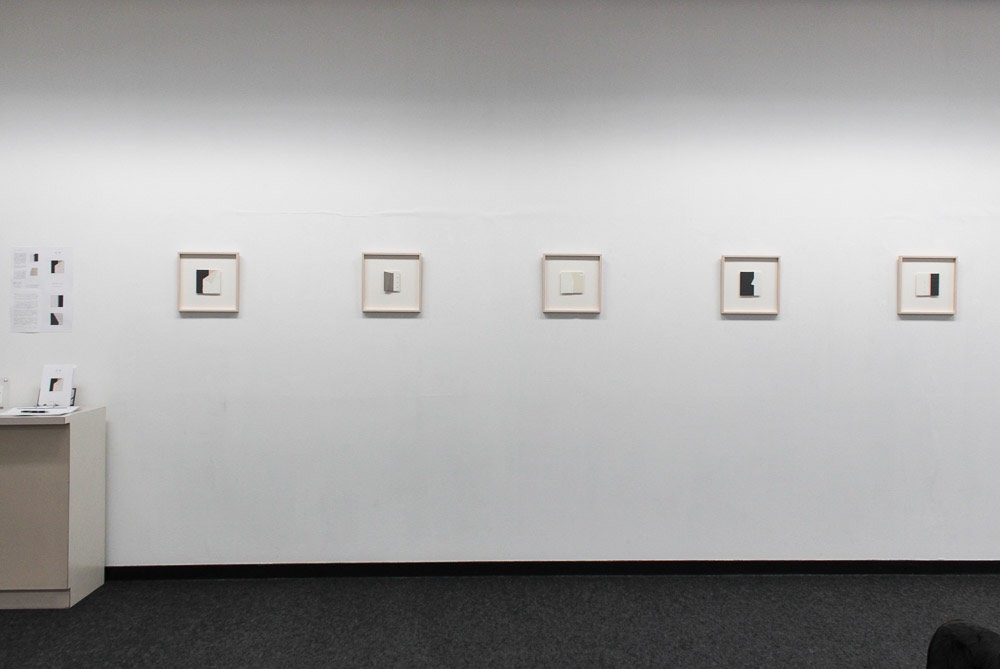
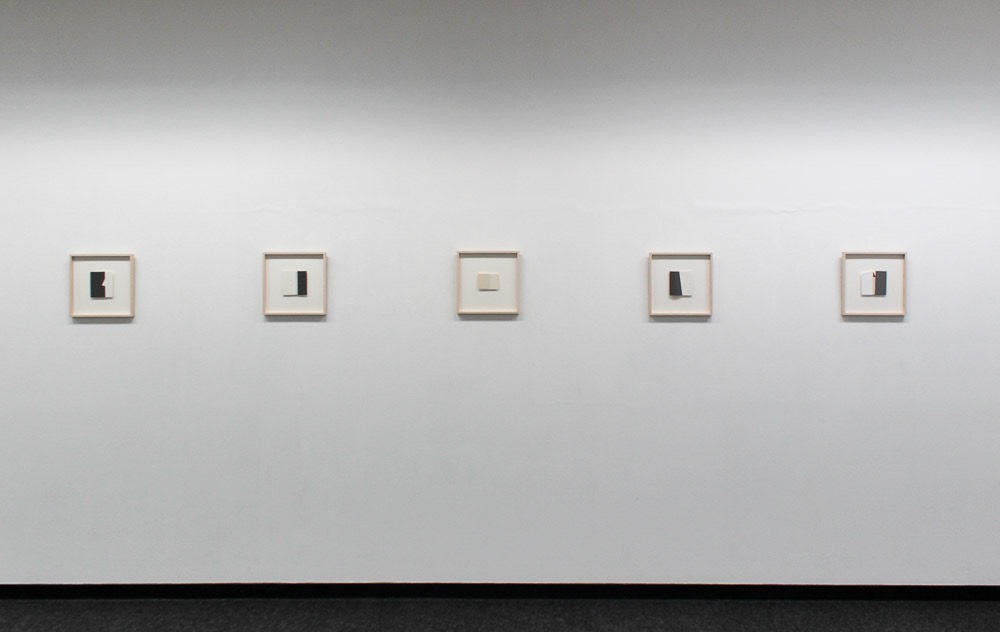
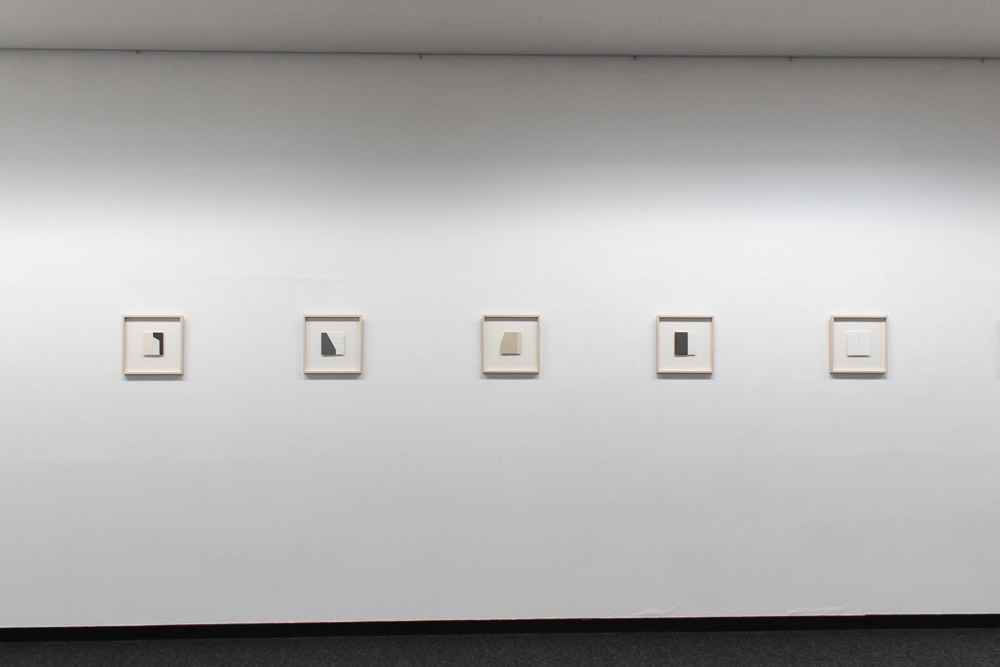
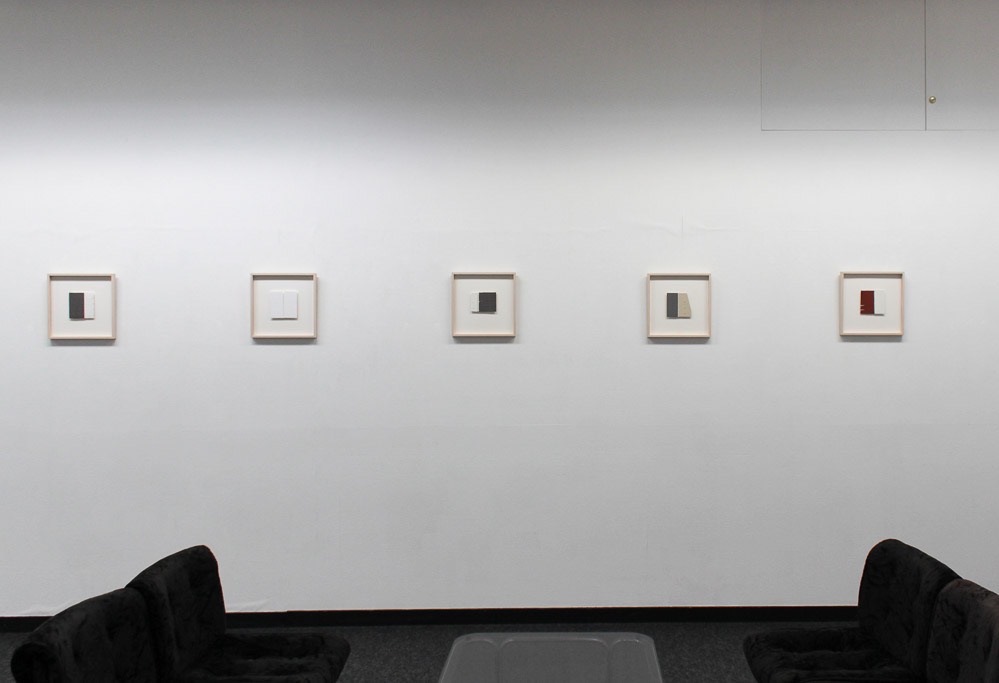
ZHOU Hao’s latest work, Pliage Collage, is exceptionally small for one of his works. It is small enough to fit within the 12 cm diameter of a compact disc. Thick, supple paper has been meticulously folded and attached to a square backing. The artist avoids decorative colors, choosing instead combinations such as black and beige, white fabric against moss green, and natural-colored paper against vermilion. Within a composition structured around contrasts of light and dark, drawn lines, embossed lines, the boundaries between sheets of paper, and tiny vermilion dots are arranged with exquisite precision.
Because the expressive elements of this work are compressed into such a small surface, its appearance changes considerably depending on the viewer’s position. From a distance, the cool monochromatic palette and simple composition first come into view. As one approaches, however, fine, irregularly distributed undulations emerge across the color-blocked paper surfaces. Looking next at the edges of these sections, one discovers a wealth of carefully calculated details: folded areas that have been rounded, torn edges of paper painstakingly thinned, and even the original contours of the paper as it emerged from the papermaking process. Together, these details create an extraordinarily rich surface.
What all of ZHOU Hao’s works have in common is the passion he devotes even to the smallest details that sustain the whole. When one steps back slightly and views the work as a whole in bright, naturally falling light, the light streaming over the delicate undulations covering the surface and the richly varied textures along its edges passes through the paper fibers, transforming into a soft glow before reaching the viewer’s eyes once again. This is precisely why the work feels like a corridor of shadows and light, imbued with a mysterious, subtle luminosity.
Stripped of decorative color and with form woven into its very interior, Pliage Collage is being presented to the public for the first time in this exhibition. Looking further back through the history of art, one might be reminded of Southern Song Chinese painting, which is said to “create spaces rich in suggestiveness, capturing even the subtlest nuances of light and shadow, and possessing a mysterious sense of physical presence (Note 1).” When viewing ZHOU Hao’s work, one may suddenly feel drawn into its corridor of light and shadow, as though led there by some unseen force. The experience is uncanny, as if something within the work awakens us toward the depths of our own consciousness. Indeed, “God is in the details.”
(Note 1) Nihon Bijutsu no Mikata (How to View Japanese Art), Teisuke Toda, p. 183
Takashi Yamashita, ARTLAND Gallery

