Shinya Sakurai
May 21 - June 11, 2017
Hours : 10:00 am ~ 6:30 pm
Tuesday (Open by appointment), Wednesday (closed)
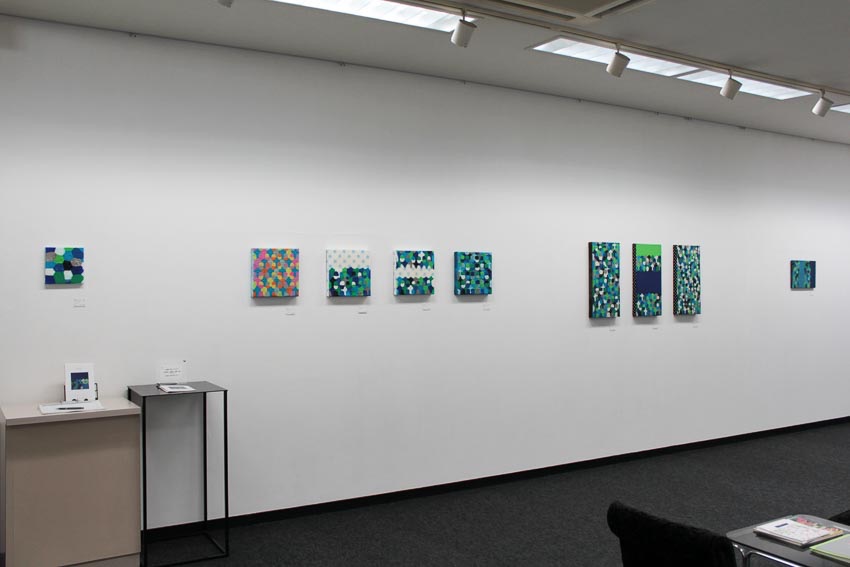
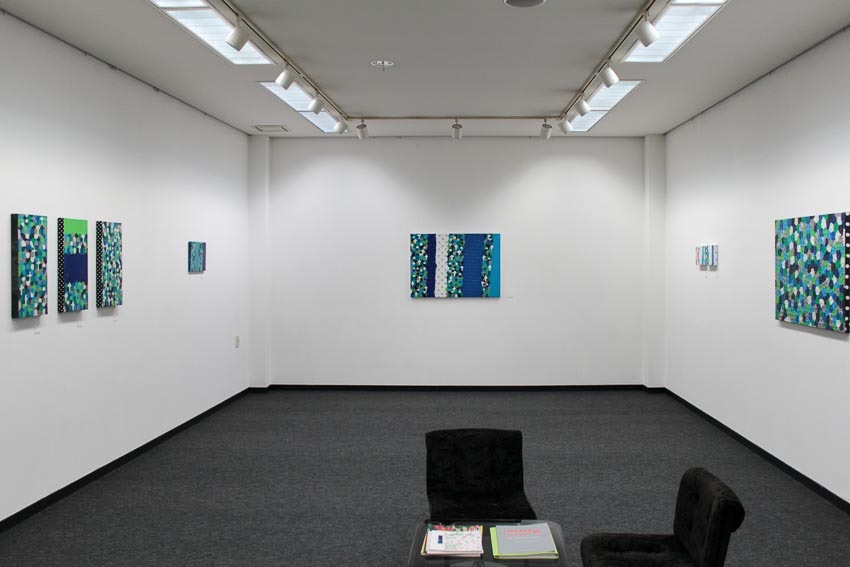
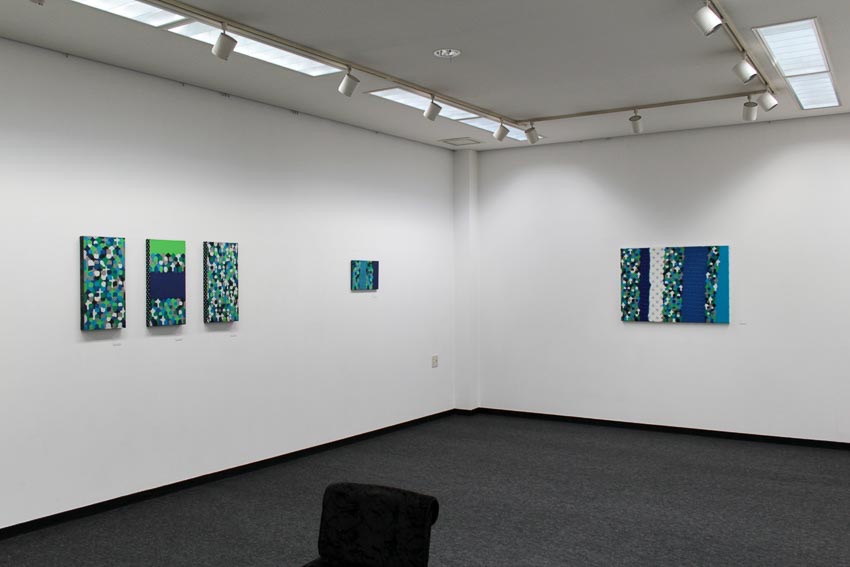
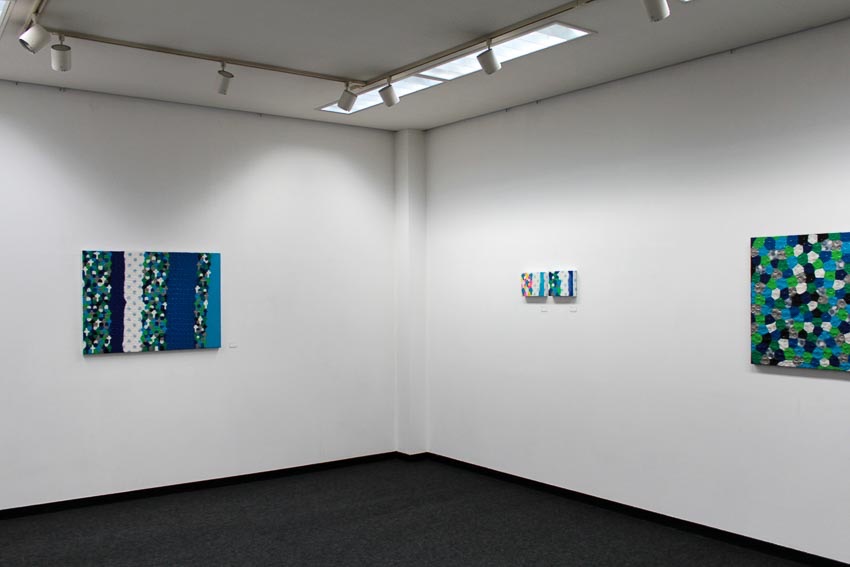
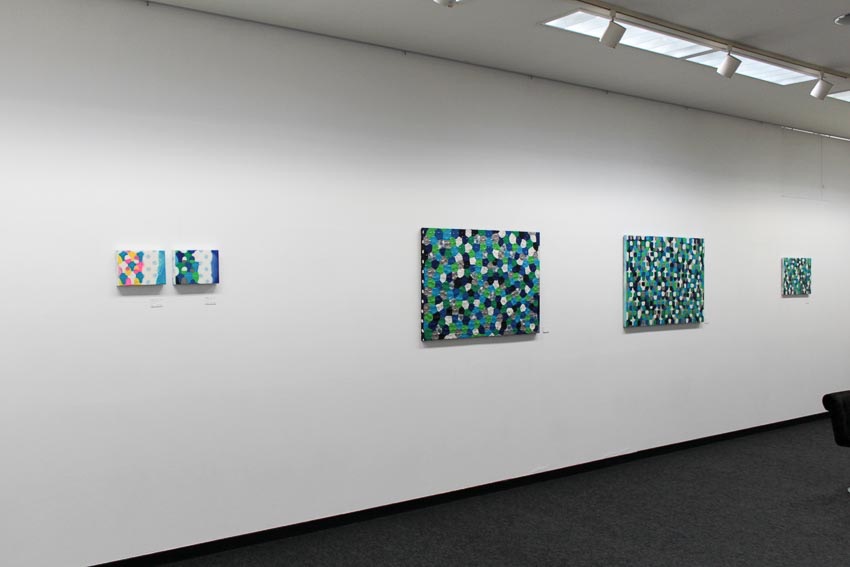
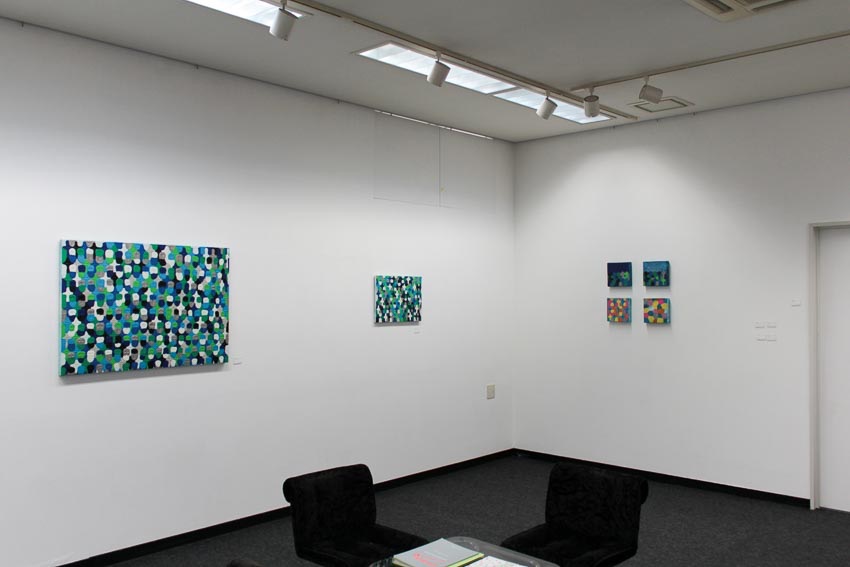
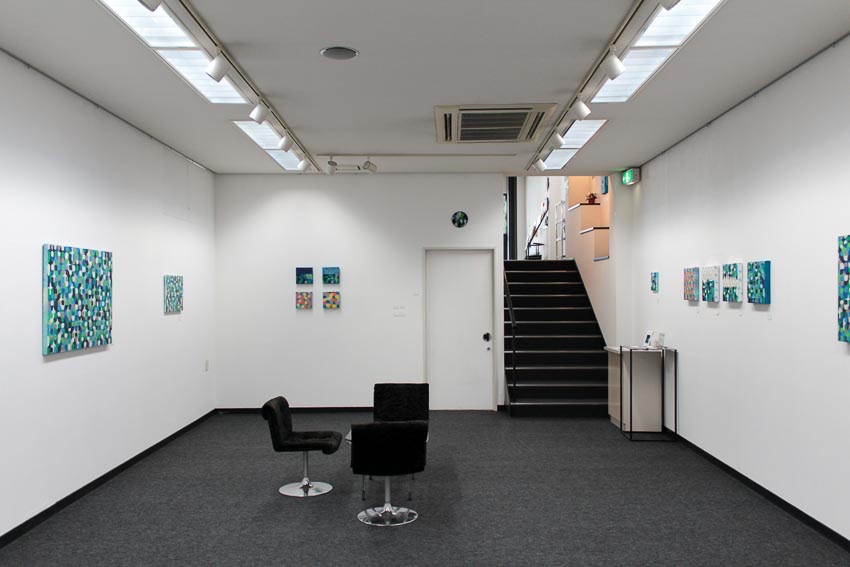
Exhibiting work : New United colors series ‥‥abt. 20 pcs
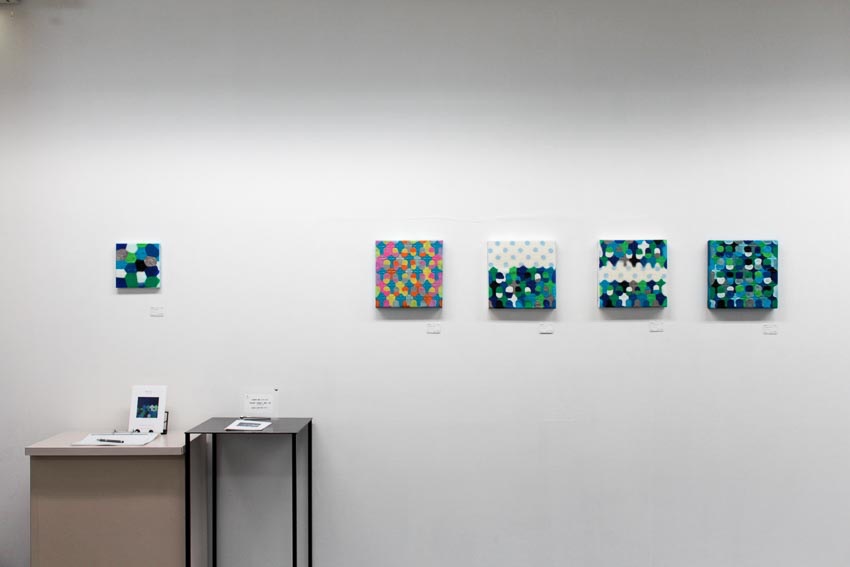
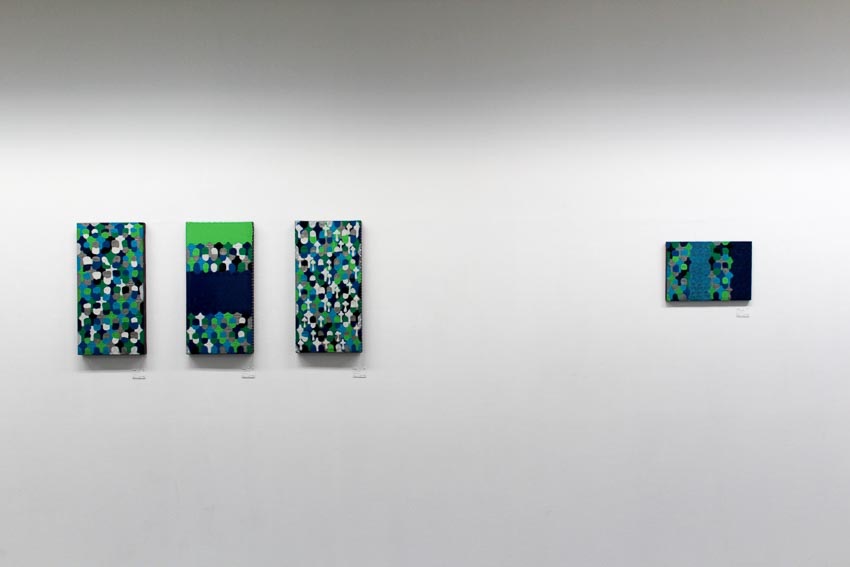
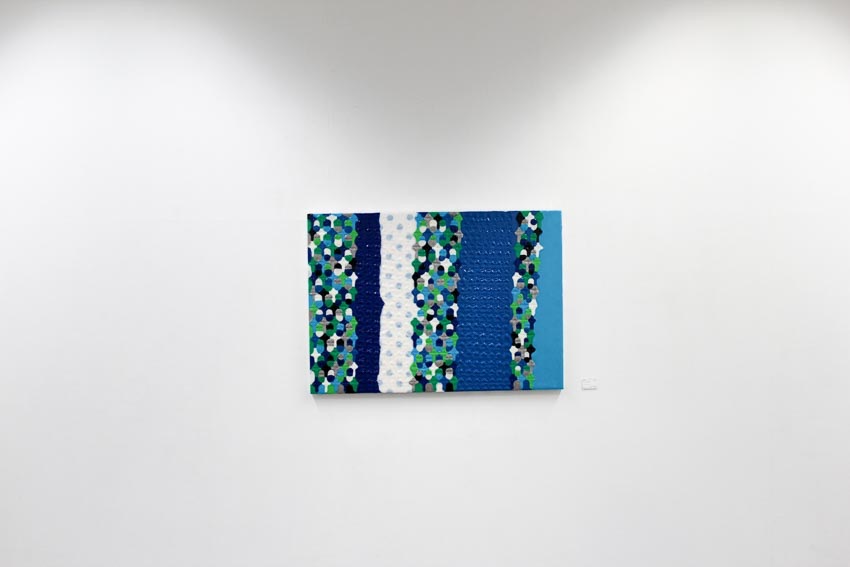
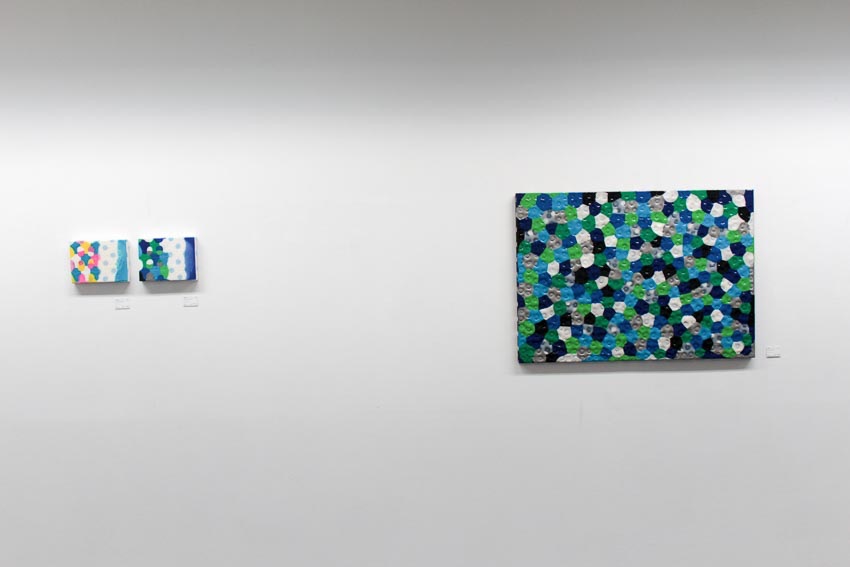
■ Opening Tea Gathering
“Within the Context of Contemporary Italian Art” Shinya Sakurai
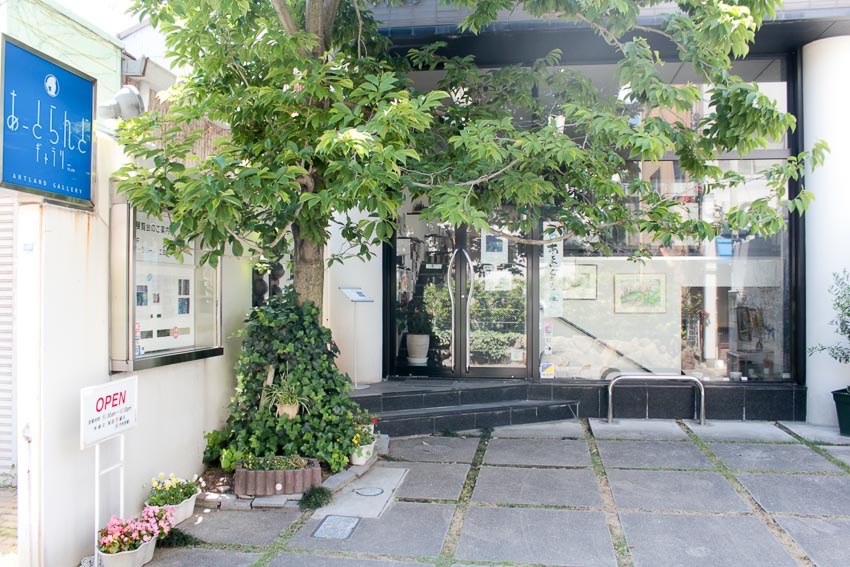
Date and Time: Sunday, May 21, 11:00 a.m. – 12:30 p.m. Venue: ARTLAND Gallery Admission: Free
Immediately after graduating from university, Sakurai decided to move to Italy. Since then, he has been based in Turin, Italy’s second-largest industrial city, and has pursued his career as an artist within the contemporary Italian art scene. Over a cup of tea, please join us for an engaging conversation with the artist on a wide range of fascinating topics, including the city of Turin, developments in contemporary art in Italy, and the circumstances surrounding galleries and artists’ studios. We look forward to welcoming you all.
■ After the Tea Gathering
The opening tea gathering with Sakurai has come to a close. We would like to thank everyone who joined us. This time, we had the opportunity to hear in detail about his journey as an artist working within the contemporary Italian art scene. The conversation concluded with a discussion of Arte Povera, a movement whose name means “poor art” and which represents a significant part of postwar Italian art. The topics covered are outlined below, following Sakurai’s notes.
● Italy and Turin The city of Turin and developments in contemporary Italian art ● Living and working as an artist in Italy Galleries and artists’ studios ● Art fairs and the position of contemporary Italian art within Europe
Shinya Sakurai
1981 Born in Fukuyama, Hiroshima, Japan
2004 Graduated from Art Planning Department, Osaka University of Arts, Japan
2004 Entered Accademia Albertina delle Belle Arti di Torino, Italy
Lives and works in Turin
Selected Solo Exhibitions
2003 "SHINYA SAKURAI SOLO EXHIBITON" The Museum Of Arts & Crafts, Itami / Itami, Japa
2004 "SHINYA SAKURAI SOLO EXHIBITON" SHIBUYA MuseumOf ART / Fukuyama, Japan
2005 "NEW TYPE" Consolato dell'Giappone / Milan, Italy
2006 "LIFE IS BEAUTIFUL" Gallery CATARTICA / Turin, Italy
2007 "LOVE from HIROSHIMA" Galleria Arte Giovane / Asti, Italy
2008 "LOVE COMUNICATION" Accademia Delle Belle Arti Macerata / Macerata, Italy
2008 "POSITIVE HAPPY LOVE" Galerie Paris/ Yokohama, Japan
2009 "INTELLIGENCE SURFACE" CRAC / Cremona, Italy
2010 "ONE" Artmark Gallery / Viena, Austria
2010 "Cuore" Giorgio Marosi Gallery / Turin, Italy
2010 "LOVE SONG" Galerie Paris / Yokohama, Japan
2011 "FLY The FLAG" The White Gallery / Milan, Italy
2012 "Shinya Sakurai2007-2012" Palazzo Mistrot / Turin, Italy
2012 "LOVE POOL" Galleria Albanese Arte / Matera, Italy
2012 "LOVE POOL" Galerie Paris / Yokohama, Japan
2013 "UNITED COLORS" Base Gallery / Tokyo, Japan
2013 "LOVE POOL" Maeda Hiromi Art Gallery / Kyoto, Japan
2013 "LOVE POOL" YAMAKI Fine Art Gallery / Kobe, Japan
2014 "Atomic Heart" Maria Cilena Gallery / Milano, Italy
2014 "My Favorite Colors" Galerie Paris / Yokohama, Japan
2014 "My Favorite Colors" HEIS Gallery / Fukuoka, Japan
2015 "UNITED COLORS" Maeda Hiromi Art Gallery / Kyoto, Japan
2015 "e intanto fioriscono i ciliegi" Eidos Immagini Contemporanee / Asti, Italy
2015 "My Favorite Colors" HEIS Gallery / Fukuoka, Japan
2015 "United Colors" ART LAND Gallery / Marugame, Japan
2016 "United Colors" Galerie Paris / Yokohama, Japan
2016 "COLORS" CONTEMPORARY HEIS ART / Tokyo, Japan
2017 "Unite Colors" Galerie Lattemann / Darmstadt, Germany
2017 "WAKE UP THE COLOR" Maeda Hiromi Art Gallery / Kyoto, Japan
2017 "Azzuri" ART LAND Gallery / Marugame, Japan
2017 "My Favorite Colors" Fondazione San Domenico / Crema, Italy
2018 "My Favorite Colors" CARUSO GALLERY/ Messina, Italy
2018 "Colors" Galerie Paris / Yokohama, Japan
2018 "Delicious Colors" CONTEMPORARY HEIS ART / Tokyo, Japan
2019 "Delicious Colors” Galleria Il Castello / Milano,Italy
2019 "Delicious Colors" Maeda Hiromi Art Gallery / Kyoto, Japan
2019 "Delicious Colors" ART LAND Gallery / Marugame, Japan
2019 "Delicious Colors" Kaki Gallery / Toyama, Japan
2020 "Delicious Colors" Galerie Paris / Yokohama, Japan
2020 "Symbol" CONTEMPORARY HEIS ART / Tokyo, Japan
Awards
2003 President of Japan Mint Award in Osaka Arts and Crafts Exhibition
2003, ATC Design Museum, Osaka
2004 President of NHK Broadcasting Centre Award in Osaka Arts and Crafts Exhibition 2004, ATC Design Museum, Osaka
2005 Merit Award in International Young Men Fine Arts Conpetition, Carosso City Exhibition Hall, Carosso, Italy
2006 Finalista, Matteo Olibero Conpetition, / Matteo Olivero Competition, / Amulet Beltoni Foundation, Salzzo
2006 Premio, /Borgo Piazza Painting Competition, Oratory of Gonfalone, Fossano
2008 Finalista in Roma International Youth Art Competition, Roma Federal Office for Culture, Roma
Collection
Roberto Bilotti Museum of Contemporary Art, Rende, Italy
Artists Society in Turin, Turin, Italy
The City Hall of Castorano, Italy
Rest Villa Hiroshima Hikarigaoka, Hiroshima
ACCADEMIA DI BELLE ARTI di MACERATA, Macerata, Italy
Cremona Contemporary Art Centre, Cremona, Italy


Text
I am now standing before a work by SHINYA Sakurai. There is something in Sakurai’s work that invites interpretation. Through his carefully constructed approach to painting, he exercises rigorous control over the presence and absence of motifs. His work can feel like a trap designed to preemptively disarm the stereotypical language of art criticism. It would not be entirely inaccurate to compare him to a hunter who traverses the wilderness of painting, navigating it through strategies grounded in experience. The significant change in the colors of his works this time led me to an intuition that, from a certain perspective, I might be able to grasp something fundamental that runs through Sakurai’s artistic practice.
The works are illuminated by natural light, radiating their colors onto the surrounding white walls. When the paintings receive light, they strongly evoke the places where they were created—somewhere other than here. This does not simply indicate differences in the environments through which light passes depending on the location. Rather, it suggests that painting always conveys multiple, unrepeatable experiences of light as revealed by a single source: the sun.
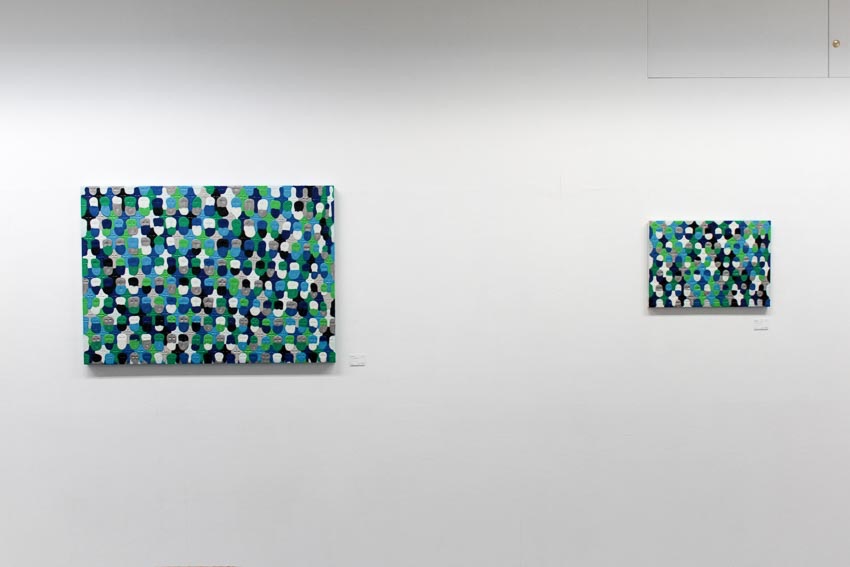
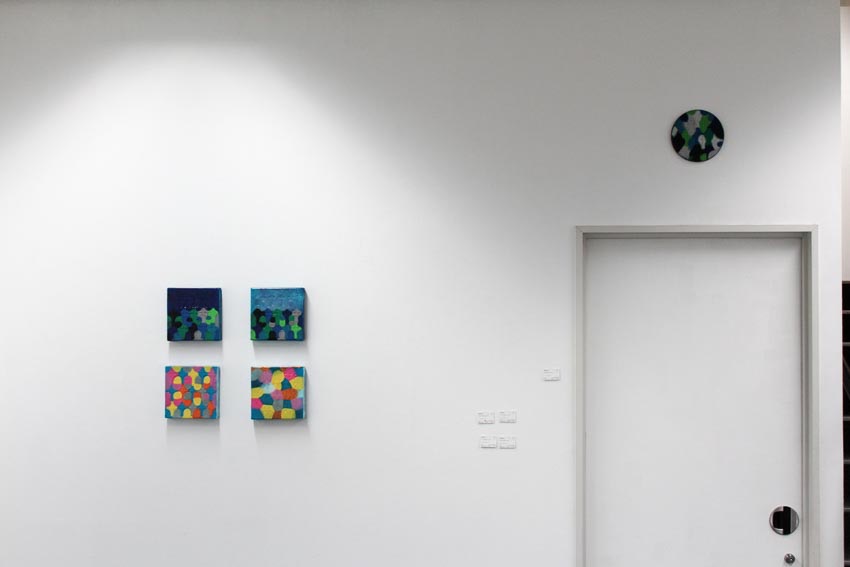
The technique remains much the same as in his work up to recent years: organic forms are filled in with oil paint mixed with a rich medium on supports printed with patterns such as polka dots, and symbolic images, including crosses and skulls, are pressed into the paint before it has completely hardened. This time, however, blue (AZZURRI) serves as a major theme. Moreover, unlike his earlier works, which employed an all-over, static composition to submerge the symbolic themes created through imprinting deep within the pictorial surface, the canvases are now divided into multiple sections by the composition. Various related hues, including different blues and greens, create tonal gradations that are at once clear and complex. The fluidity thus brought to the pictorial surface moves away from the impression of his earlier works, where a colorful yet abstract and anonymous world unfolded. Instead, it evokes something tangible, akin to the sensation of the Mediterranean Sea—a quality rooted in the land, its colors, its brightness, and its wind.
Mushroom-like forms that bring to mind HIROSHIMA, his birthplace; blues reminiscent of the sea; and crosses, skulls, and other symbols—all these elements in Sakurai’s paintings function as signs and symbols revolving around life and death. Through the rhythmic movement of color and form, they continually and intensely exchange places, moving back and forth across multiple canvases. In recent years, the development of his compositions, in which abstraction has gained the upper hand over symbolism, has contributed to increasing the intensity of his works. This time, however, the fluid development of the pictorial surface seems to return these intensified canvases to the very source of the painter’s inner world, where symbolism once again swirls. I regard him as a rare painter who, while meticulously preparing formal and compositional pathways, never loses the substance of his work—in fact, allows it to emerge even more forcefully.
UEDA Kazuhiko

