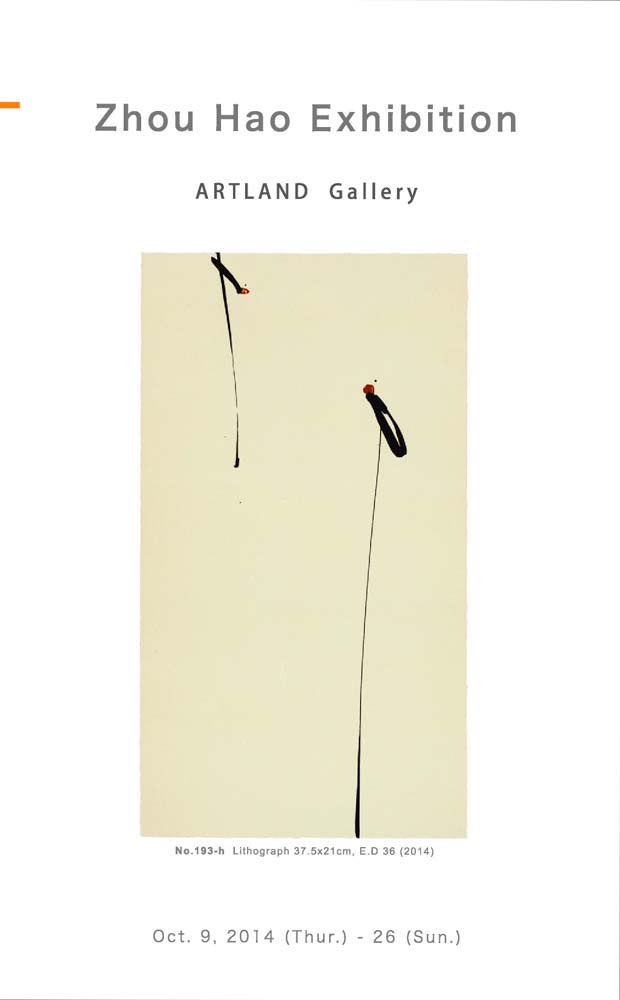
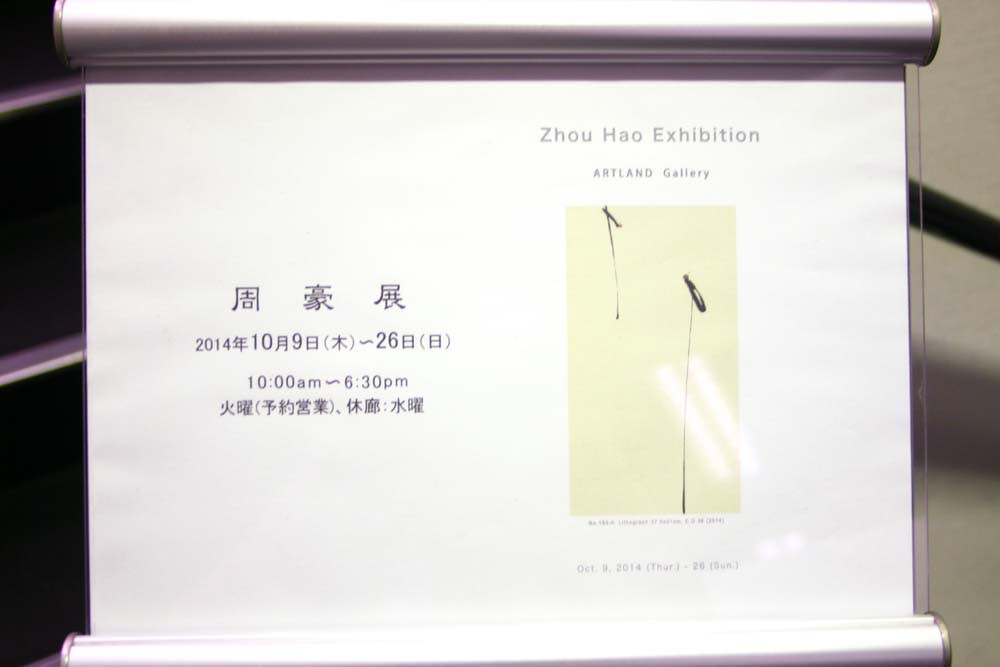
Zhou Hao Exhibition
Oct 9 - Oct 26, 2014
10:00am-6:30pm
Closed: Tuesdays (by appointment), Wednesdays
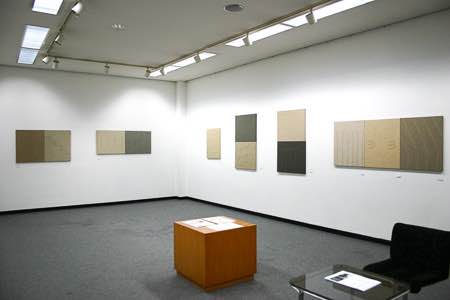
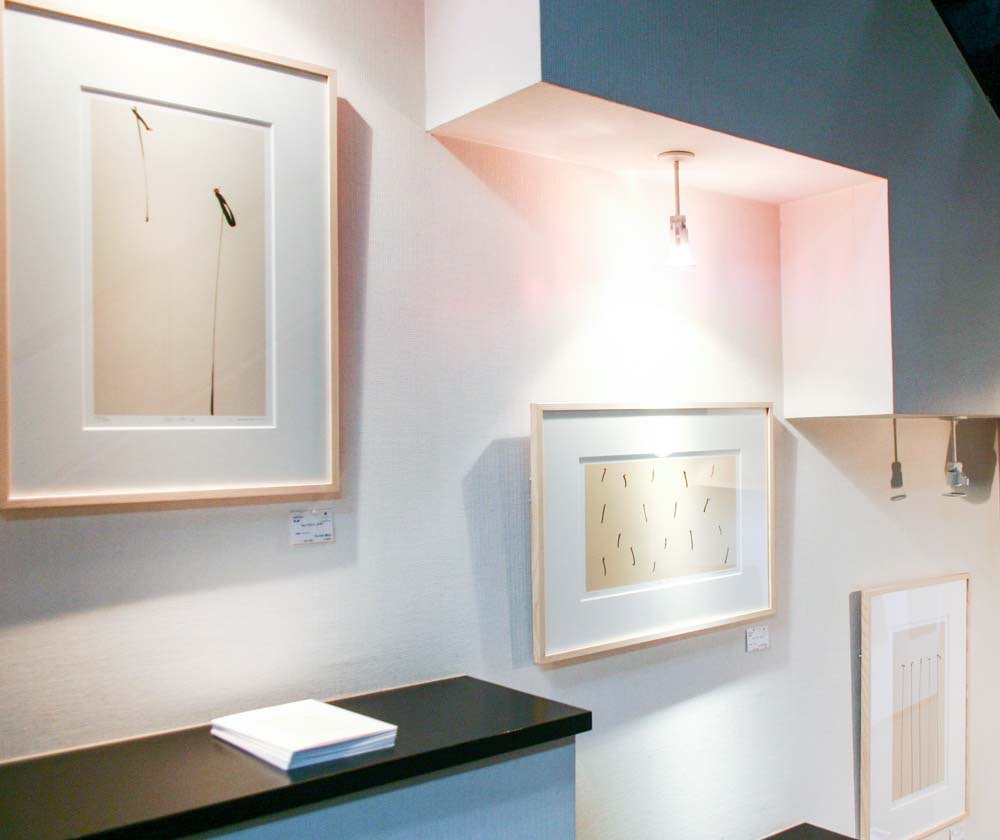
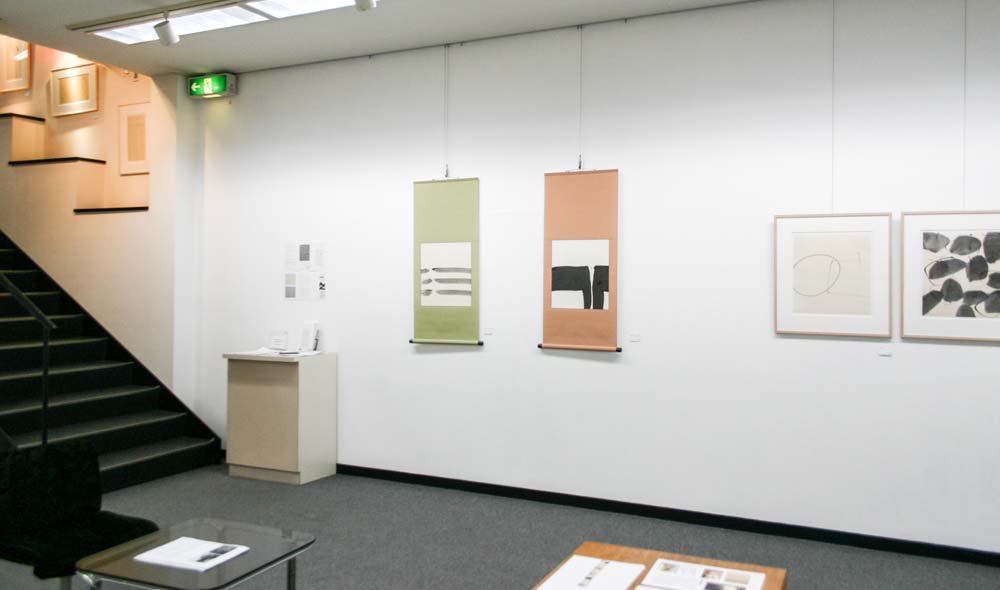
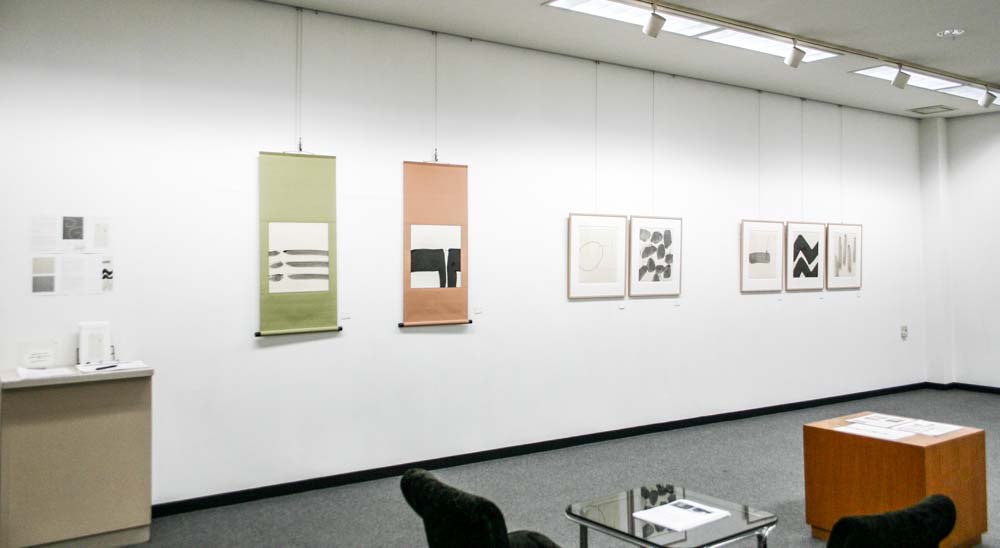
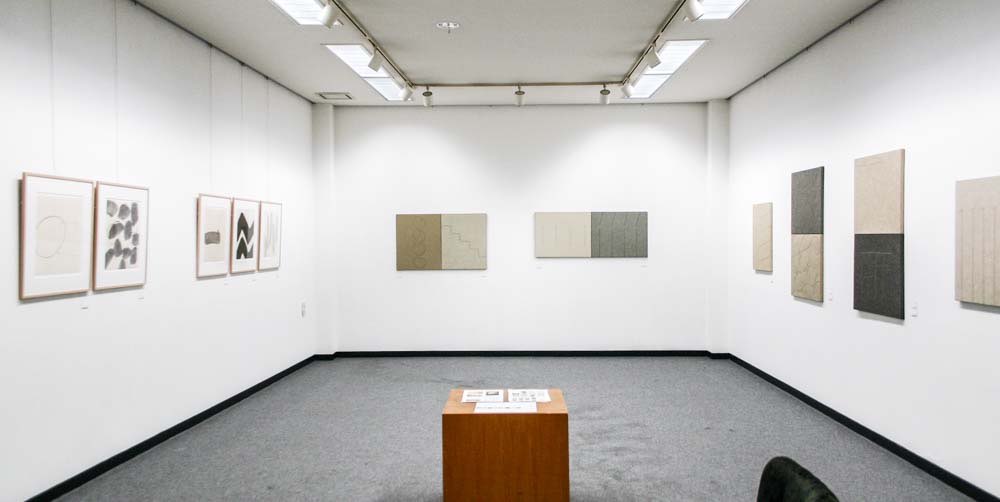
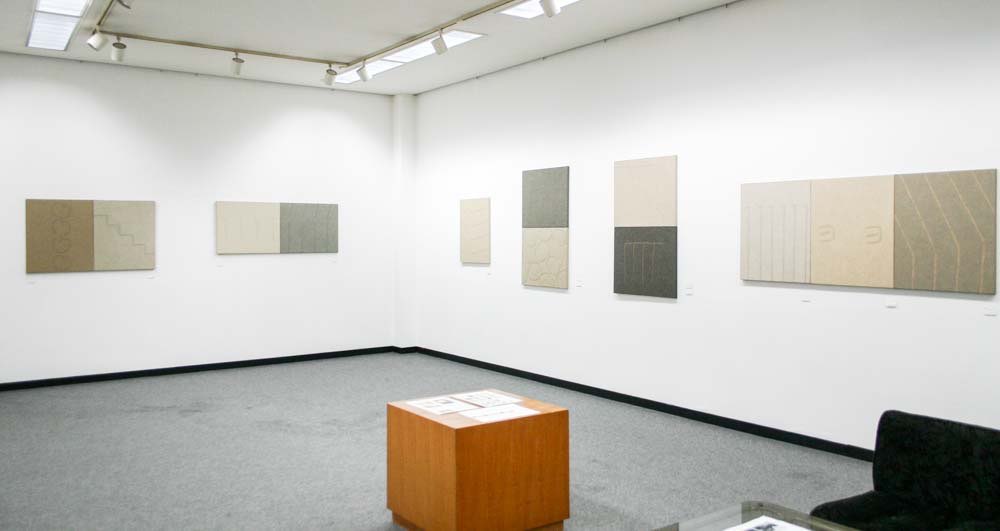
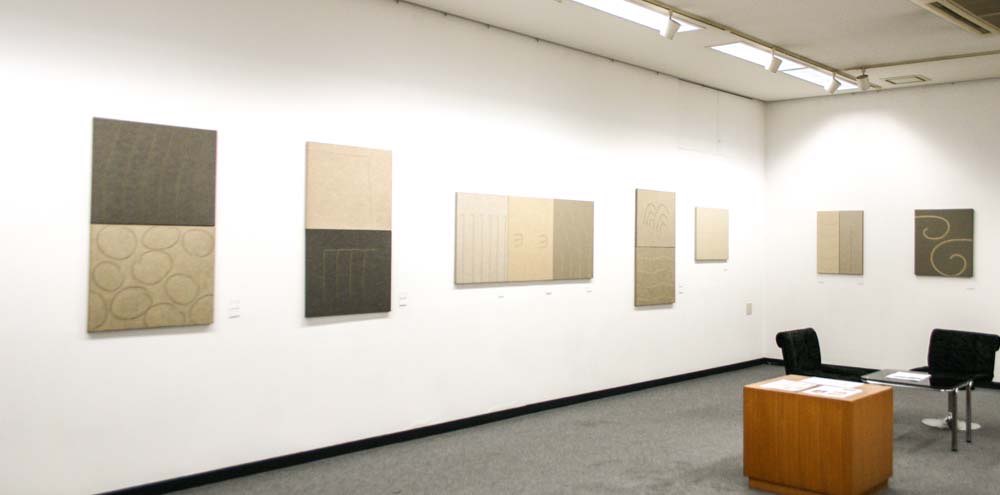
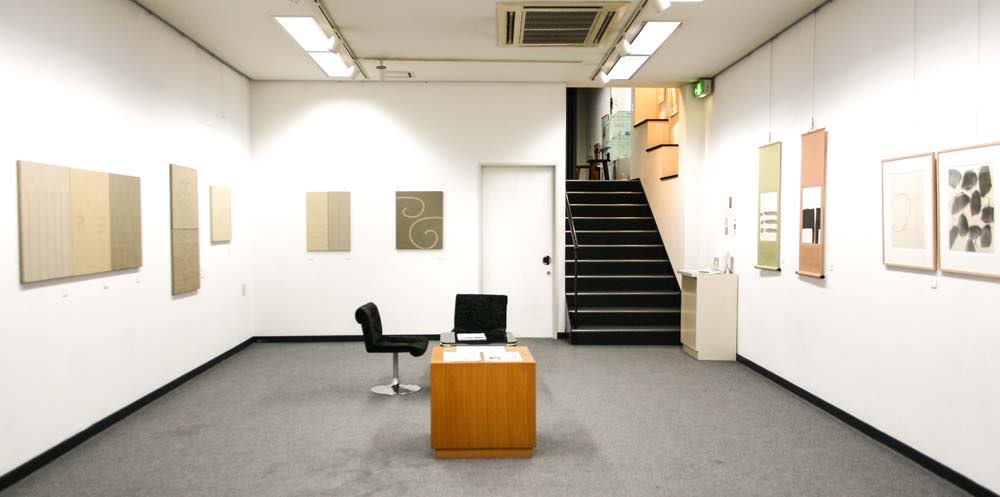
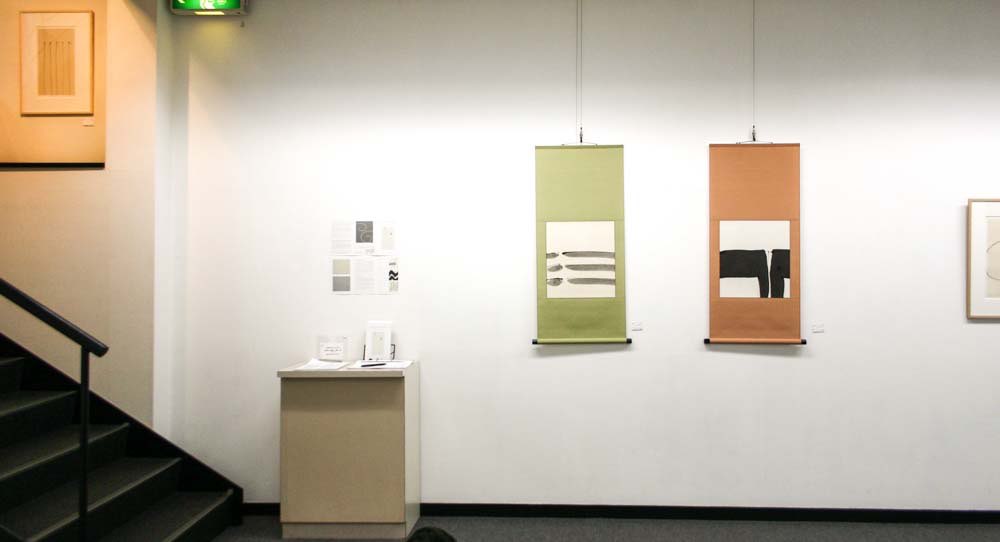
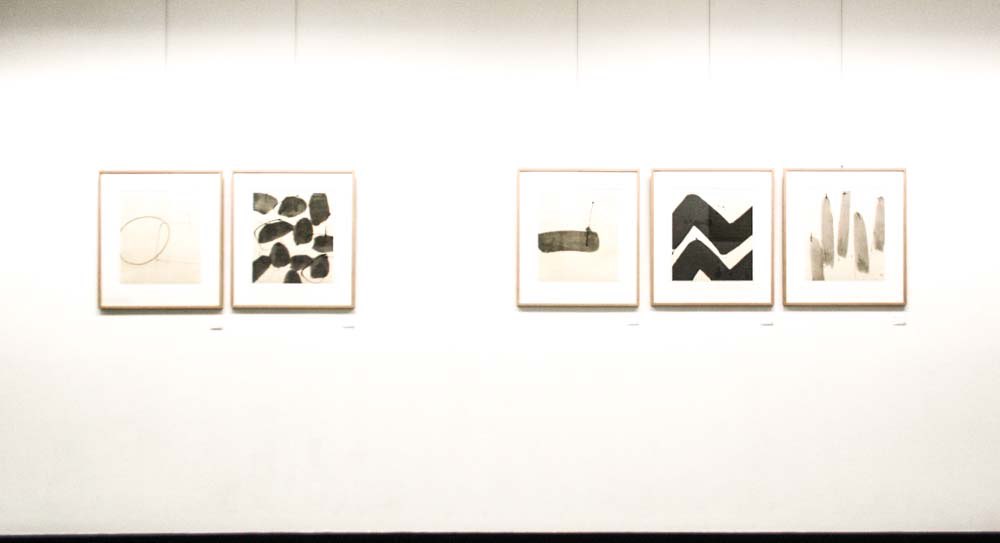
Exhibits: about 20 oil paintings, ink paintings
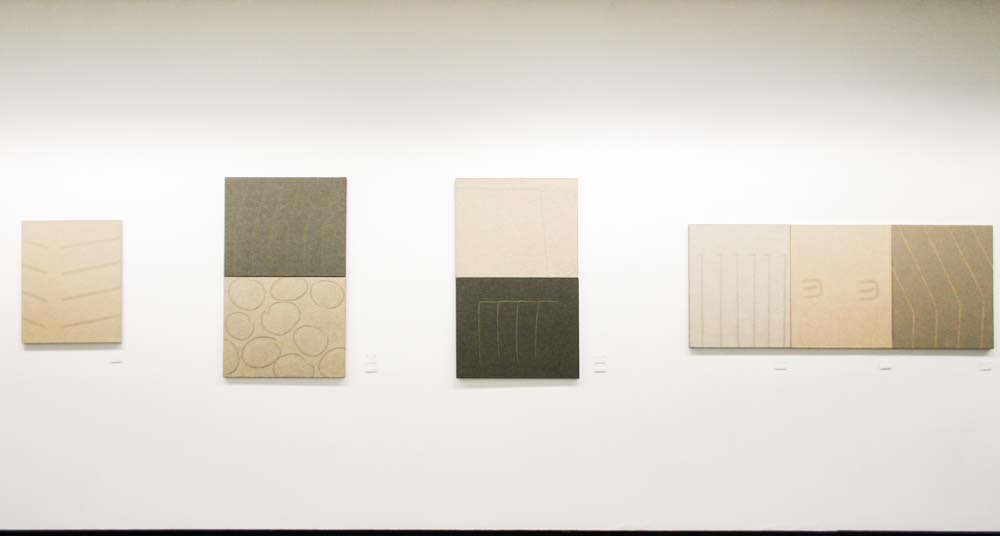
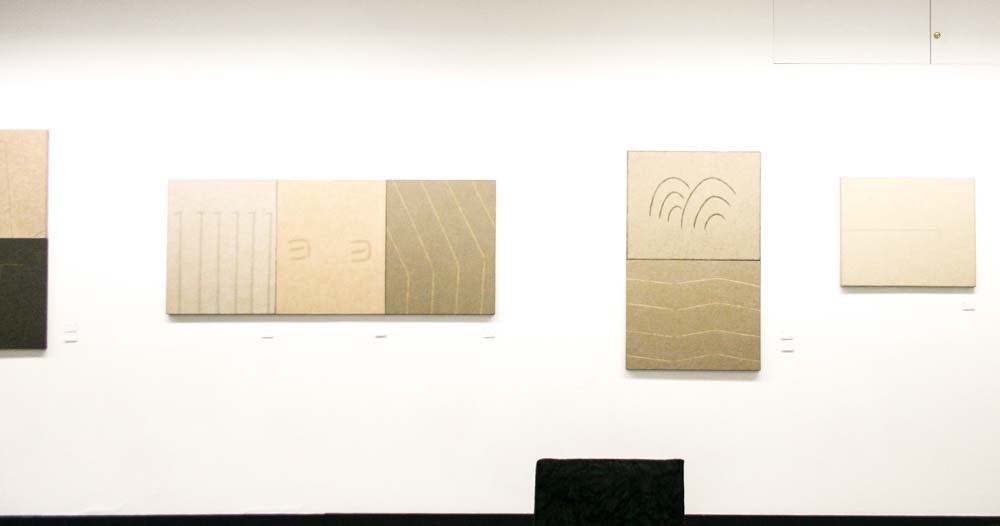
■ Opening Event
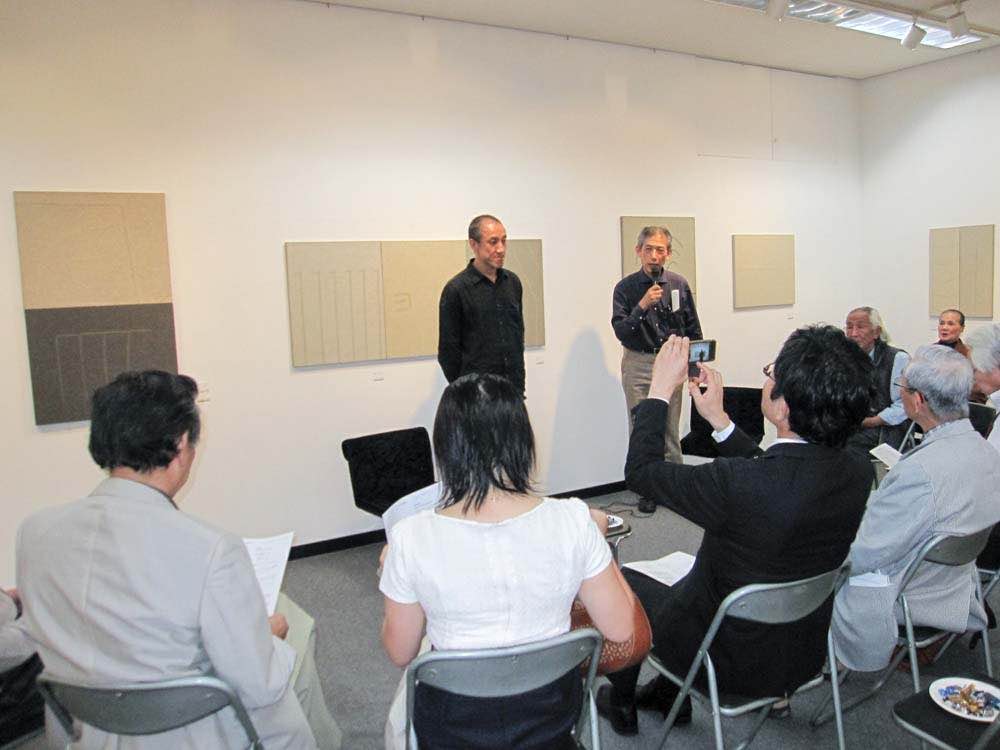
Please feel free to attend the following opening event with Mr. Zhou Hao.
Date & Time: Saturday, October 11, 17:00-18:30
Venue: Artland Gallery
Fee: Free of charge
Based on Zhou Hao's memoir "The Story of a Boy Who Wanted to be a Painter," Mr. Zhou will talk about his upbringing during the turbulent Cultural Revolution and his journey to study in Japan up to the present.
The memoirs of Zhou Hao, "A Boy Who Wanted to Be a Painter," can be viewed at the following website.
Zhou Hao's memoirs; please click "here" to view. If you cannot see it, please visit our homepage at http://www.zh1920.com/Memoirs_hui_yi_lu.html
If you cannot see it, please visit our homepage at .
■ A passage from Zhou Gao's memoirs, "The Story of a Boy Who Wanted to be a Painter
In 1966, the decade-long Cultural Revolution began. I was just six years old, and the natural changes that surrounded me were more like a scene from a drummer than fear and amazement. Fortunately and unfortunately, my time from elementary school to high school coincided with this. ----------------
At the time, there were revolutionary posters and political cartoon wall newspapers all over the city, "This is art," and as a result, they were my first lessons in drawing. In retrospect, those stylized paintings were not good, but they had a powerful impact."
Translated with www.DeepL.com/Translator (free version)
ZHOU Hao
Biography, Selected Exhibitions and Public Collections
Biography
Zhou Hao was born in Shanghai, China, in 1960. From the age of six through his high school years, he spent approximately ten years living through the Cultural Revolution.
In 1983, he came to Japan as a privately funded international student. The following year, he entered the Department of Oil Painting at Musashino Art University. In his third year, he transferred to the newly established printmaking course, becoming a member of its first graduating class and studying lithography. During this period, his work gradually shifted toward abstraction.
At the same time, he encountered the Mingei philosophy of Yanagi Sōetsu, which made a profound impression on him. Through the writings of Suzuki Daisetsu on Zen, he also began to reconsider the classical culture of his native country. While reading works on Daoist thought, particularly Laozi and Zhuangzi, he developed a strong interest in contemporary art in both Japan and the West.
In 1987, he received a scholarship from the Koyama Keizo Foundation for the Promotion of Art and participated in the first Asian Art Student Residency Program, working in residence at the Shirakaba Museum of Art in Yamanashi Prefecture, with the support of Tokyo Gallery Yoshii.
In 1988, he graduated from the Printmaking Course, Department of Oil Painting, College of Art and Design, Musashino Art University. In 1989, he received a Japanese Government Scholarship from the Ministry of Education. In 1990, he completed the master’s program in printmaking at the Graduate School of Art and Design, Musashino Art University.
After completing graduate school, he joined MMG, a printmaking studio in Higashi-Azabu, Tokyo, directed by printmaker Yusaku Masuda. While working in plate preparation and printing, he continued to produce and exhibit his own prints. He left the studio in 2003 and thereafter devoted himself fully to his artistic practice.
In 2008 and again in 2010, through the introduction of Yusaku Masuda, he produced intaglio prints at Atelier Rémy Bucciali in France. In 2016, he participated in the LOVEART – Summer Artists Residence Project and worked in residence in Italy.
Based between Shanghai and Yokohama, Zhou Hao continued his artistic practice and presented solo exhibitions primarily in Japan and China, while also participating in international print exhibitions and art fairs in Japan and abroad.
He passed away in September 2023 at the age of 62.

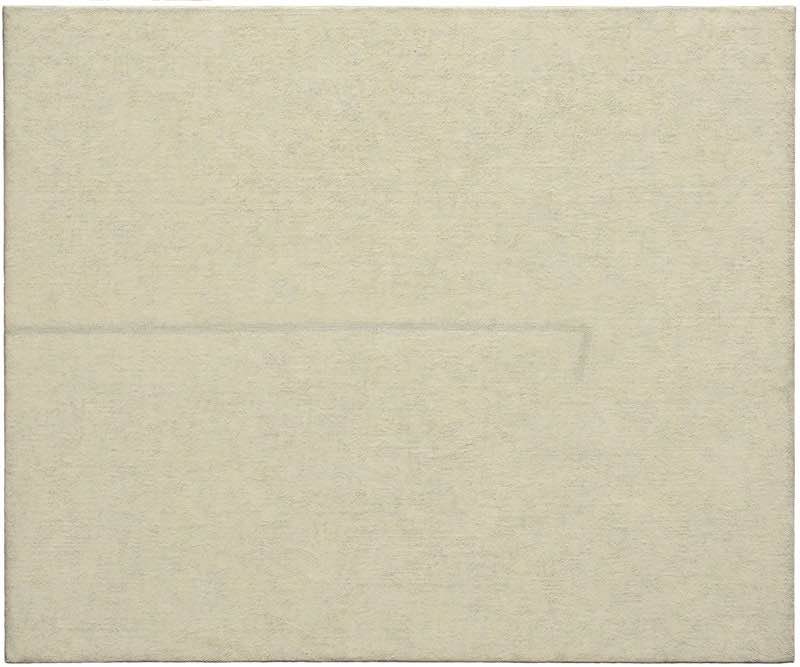

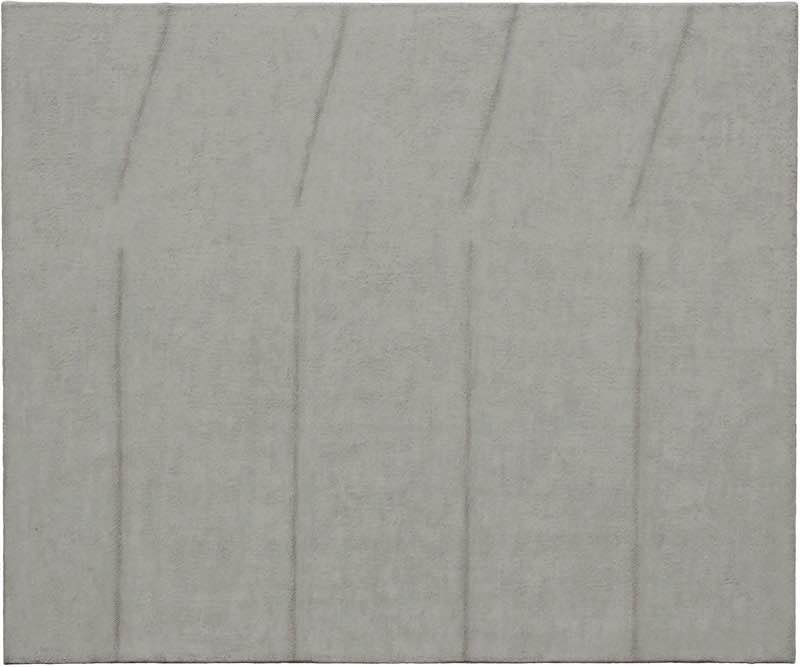


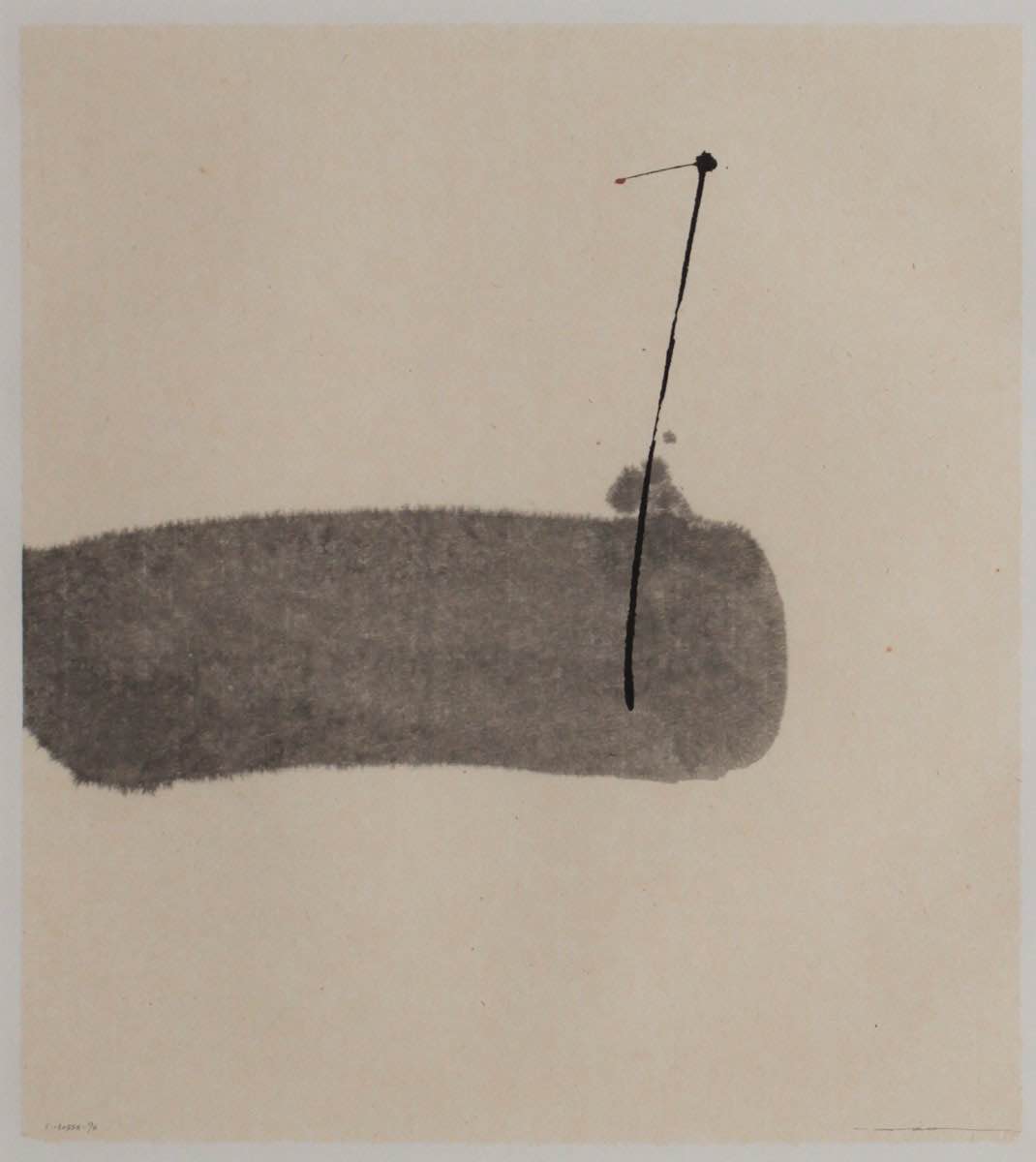
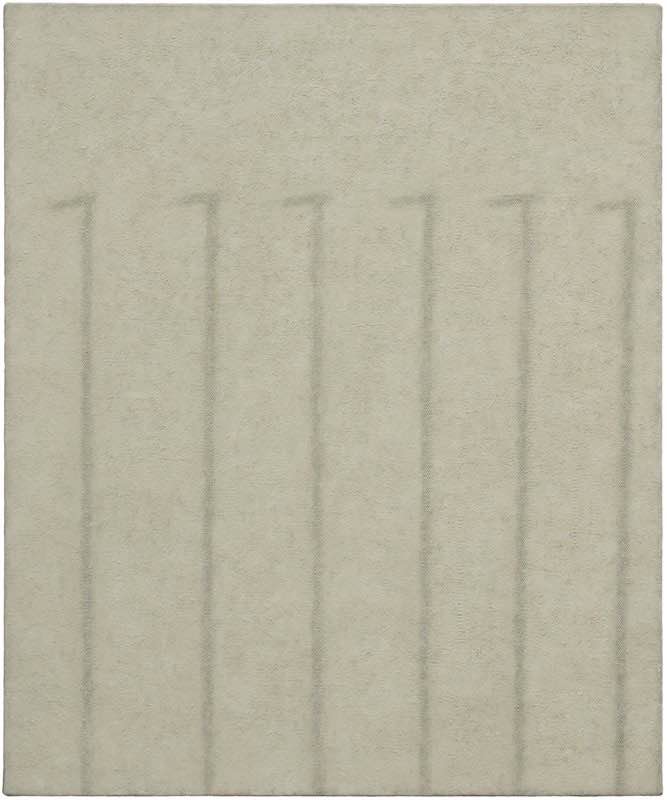


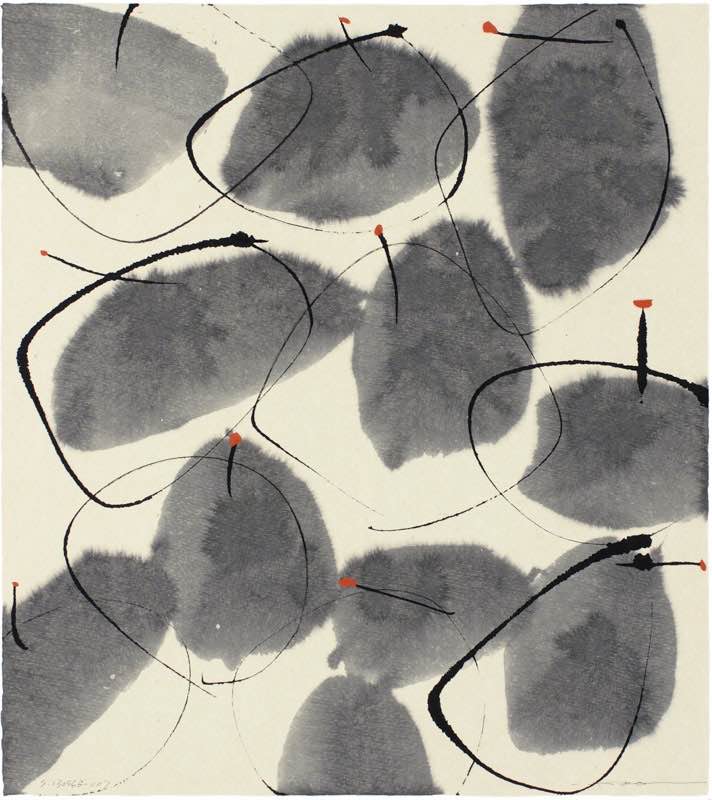


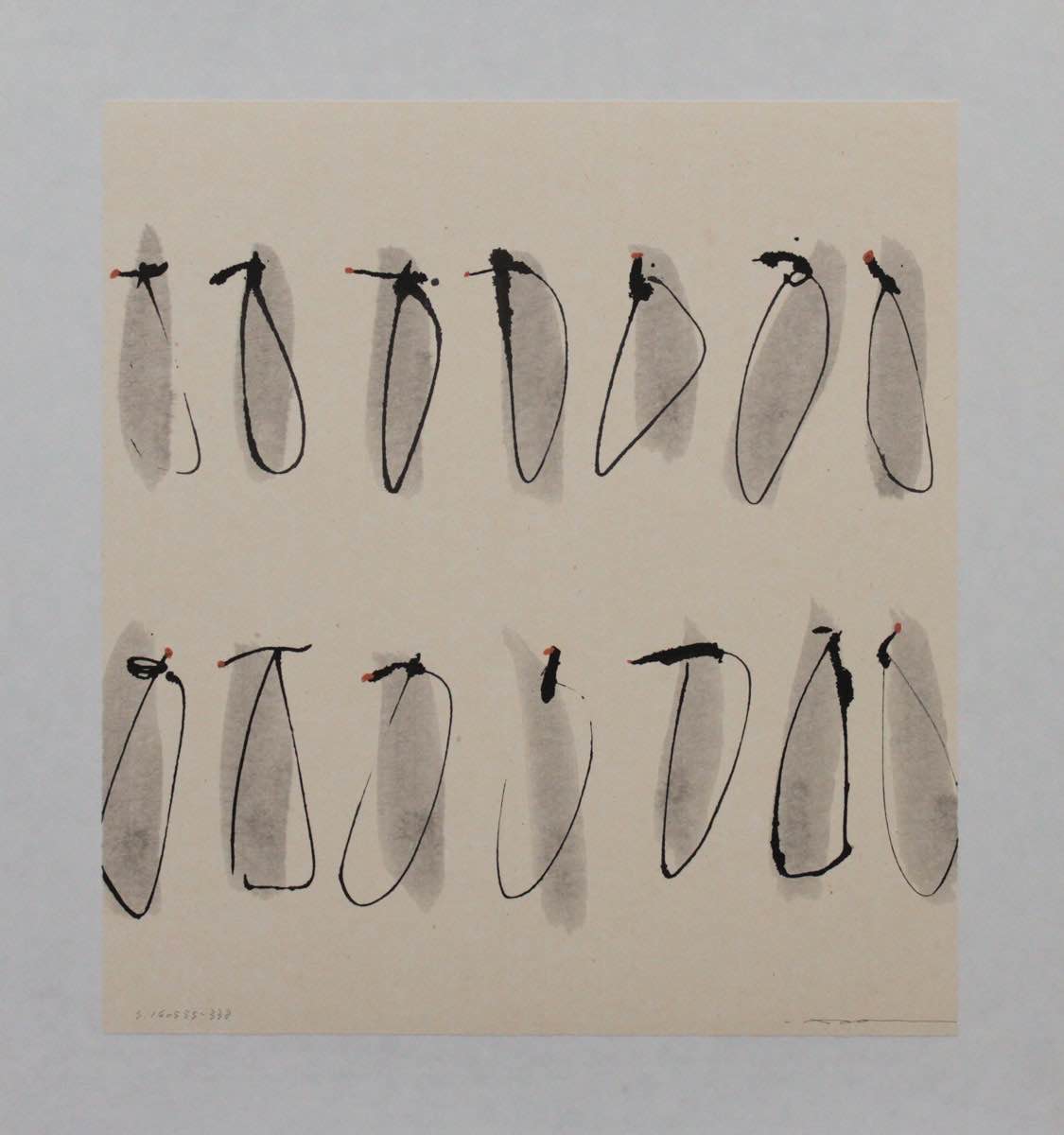

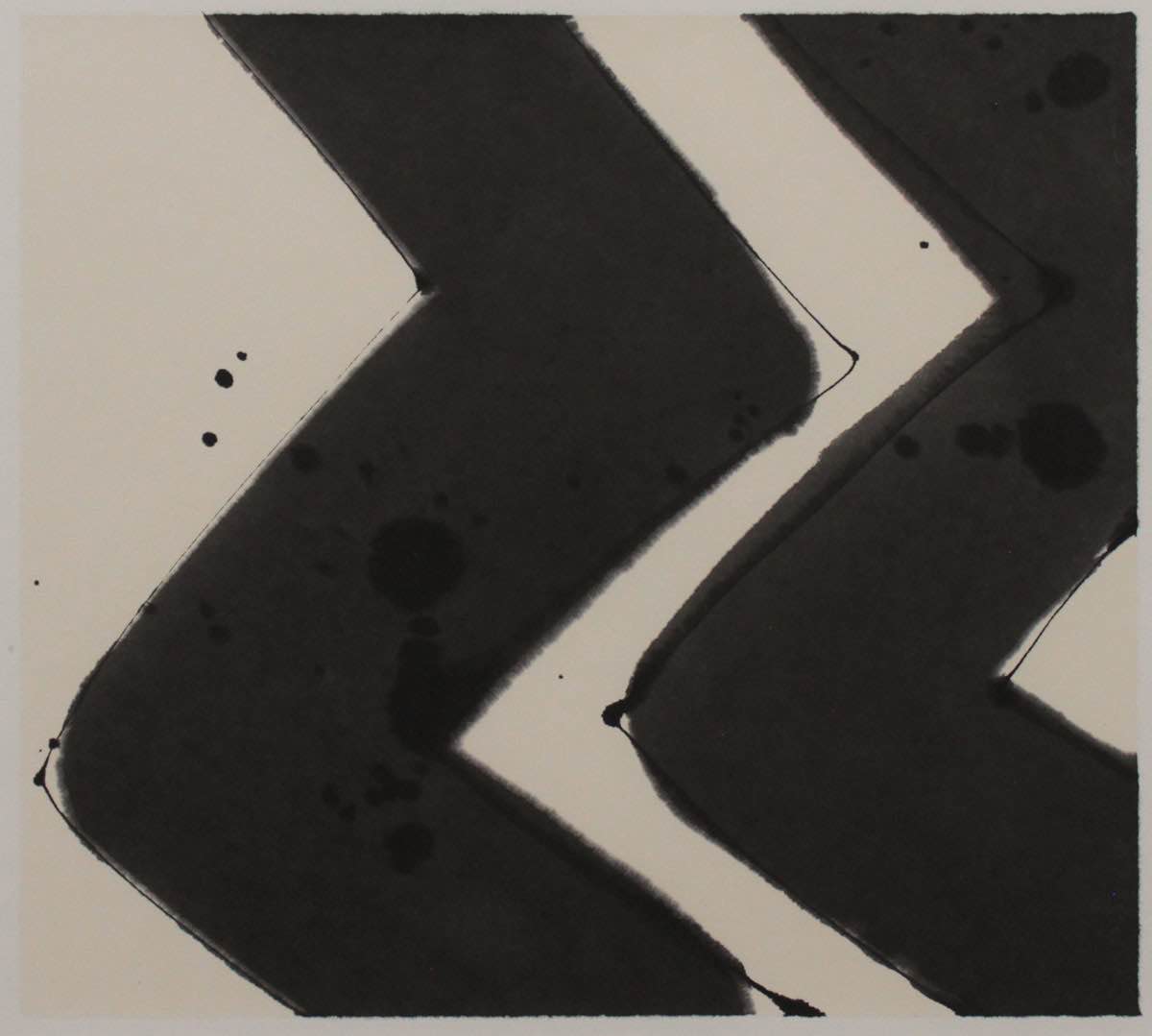
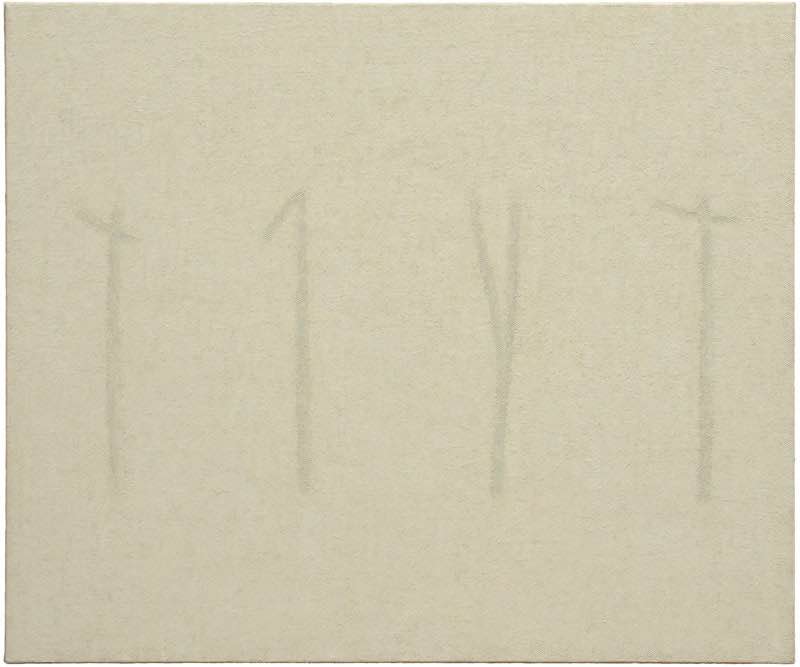

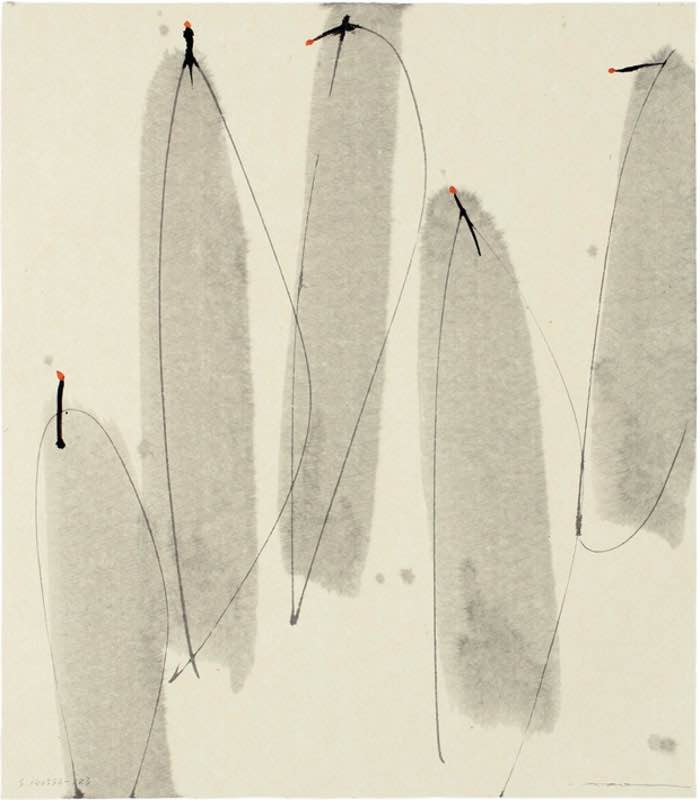
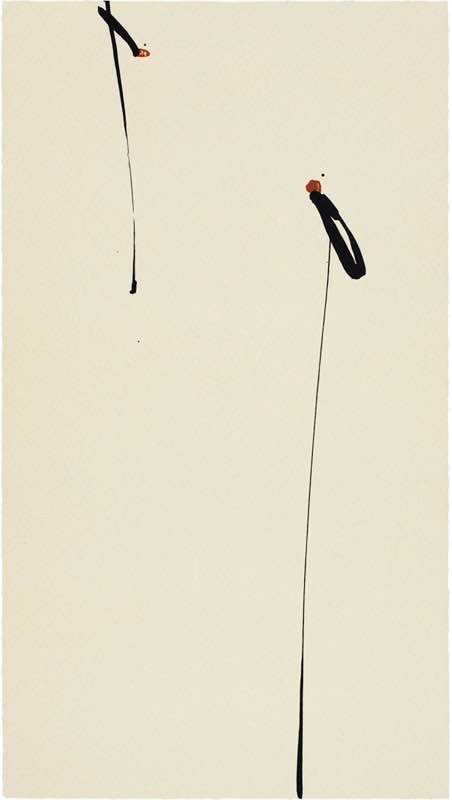
Simplicity and therefore fertility Zhou Gou
In Japan, there is a classical stage art called "Noh," which is performed with masks. The expressions on the masks are more expressive, and the slow movements of the actors' movements remind us of the rhythms of life.
Such wonder makes me admire the depth of the Oriental sense of beauty, and at the same time, it makes me proud to be an Oriental.
For me, a painting is the result of eliminating the superfluous. I am mystified by the richness that can be gained by eliminating the superfluous. Simplicity and therefore fertility. My goal is to create a picture in which both form and color seem to come from behind the picture, not a picture made into a picture, but a picture that has become a picture.
The inevitability of expression is derived from the materials. As long as naturalness is not removed, everything is "true. I believe that beauty dances freely only when it rides on the wind of naturalness.